





R&J Solar LLC
Energy Audit - For BusinessHome Energy Audit
Serving Whitefish, MT and surrounding areas
In business since 2022
Free estimates
Credit card accepted
"They are in the process of sending out an engineer"


+3
Recommended by100%of homeowners
*The Angi rating for Energy Efficiency Auditing companies in Whitefish, MT is a rating based on verified reviews from our community of homeowners who have used these pros to meet their Energy Efficiency Auditing needs.
*The HomeAdvisor rating for Energy Efficiency Auditing companies in Whitefish, MT is a rating based on verified reviews from our community of homeowners who have used these pros to meet their Energy Efficiency Auditing needs.
Last update on July 14, 2023
Serving Whitefish, MT and surrounding areas
In business since 2022
Free estimates
Credit card accepted
"They are in the process of sending out an engineer"
+3

Serving Whitefish, MT and surrounding areas
In business since 2017
Free estimates
Credit card accepted
"Cooper provides excellent customer service and helped us find things in the home that helped us get a lower price."

Serving Whitefish, MT and surrounding areas
In business since 2015
Credit card accepted
Offers commercial services
"He pays attention to detail. He did a really good job!"
Serving Whitefish, MT and surrounding areas
In business since 2012
Free estimates
Credit card accepted
"Ben is thoroughly knowledgeable and answered all of my questions kindly and patiently. The price was fair. I highly recommend him."
Serving Whitefish, MT and surrounding areas
In business since 2018
I would seriously suggest that you DO NOT USE Home Advisor to find a home inspector. At the very least, do not use them to get me to do a home inspection for you. Every "lead" they have given me to date has been bogus. And they will not refund monies I paid for those bogus leads. Fair warning.

Serving Whitefish, MT and surrounding areas
In business since 1994
Free estimates
Credit card accepted
Planetary Systems has been designing and installing renewable energy systems since 1994, and has over 1600 operational systems from .5kw to 22kw, worldwide. We have always been and remain committed to tested and reliable, yet cutting edge technologies to advance local power generation capabilities. We firmly believe all electrical power should be locally generated and using as much energy as practically feasible from wind, solar, hydro-electric and other renewable sources. \n Planetary Systems offers our own battery technology, integrated power solutions, and the best available products available in the world marketplace. \n \nOur offerings are based on value-added products, not bargain basement prices, and include complete testing, design and integration of systems plus expert technical assistance.


+7
Serving Whitefish, MT and surrounding areas
In business since 2015
Free estimates
Credit card accepted
Not only do I do home inspections but i also have a construction background with home building.

Serving Whitefish, MT and surrounding areas
In business since 1999
Emergency services offered
Credit card accepted
If you dream it, we can build it. What's the biggest difference between us and them? We build to last! We offer a full line of Green and Energy Star Certified products, backed by our labor and manufacturer's lifetime transferable warranties. Credit Cards Welcome Financing Available OAC.
From average costs to expert advice, get all the answers you need to get your job done.
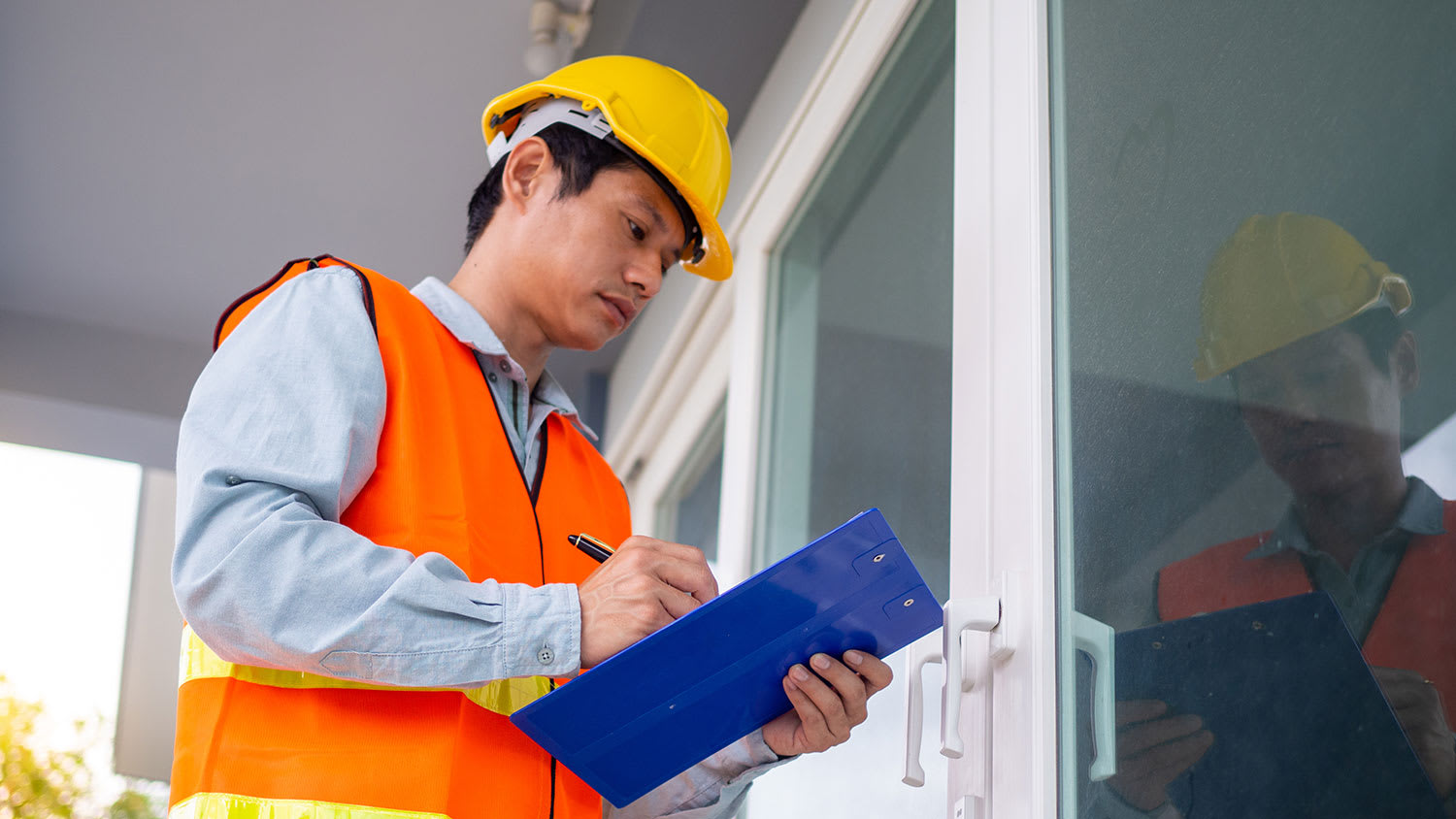
Discover the average home energy audit cost, what impacts pricing, and how to save money on your audit. Get transparent, expert-backed cost info for homeowners.

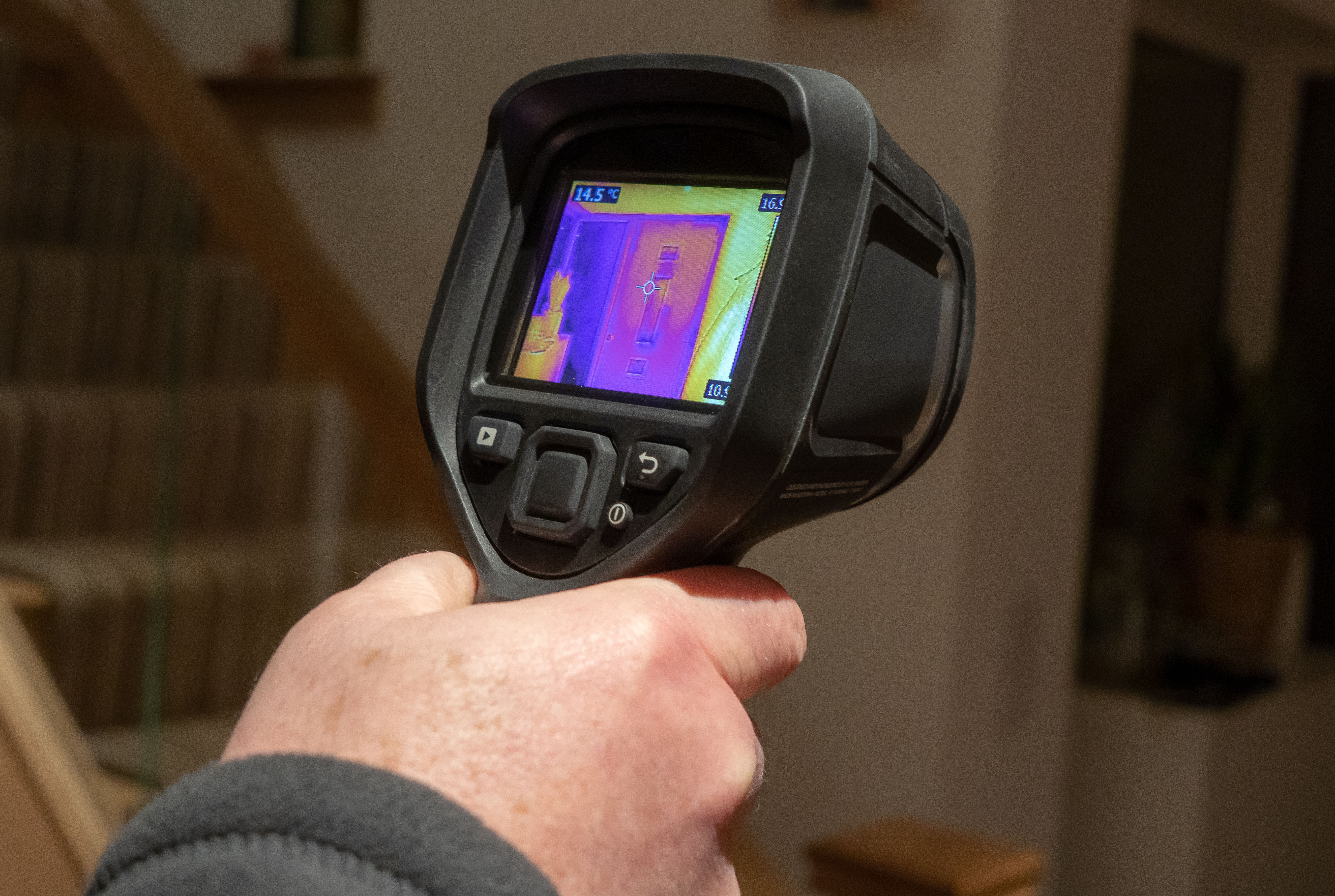
Get a detailed breakdown of thermal imaging home inspection costs, including average prices, cost factors, and tips to help homeowners budget.
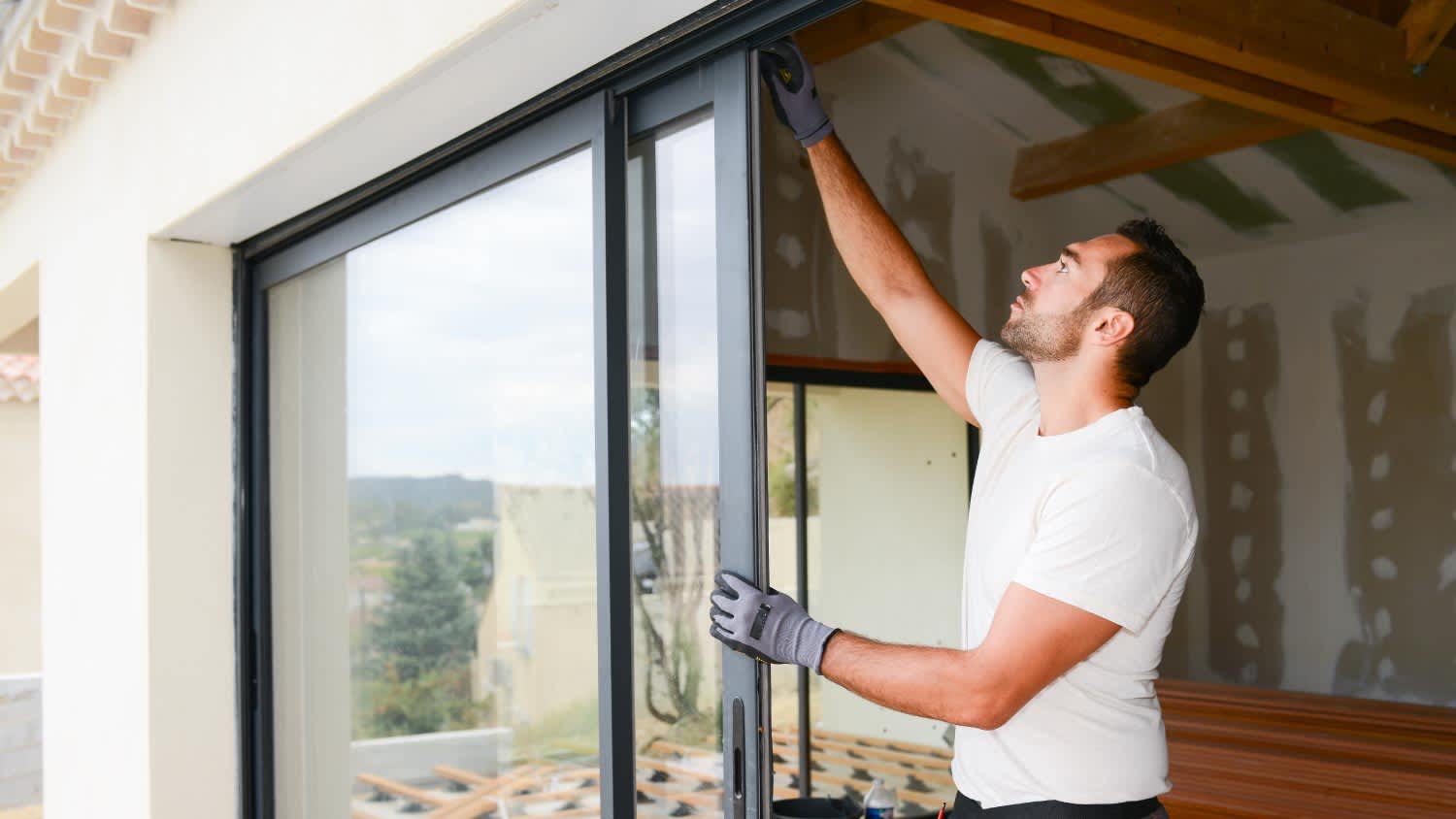
Discover the energy-efficient window costs. Learn about installation prices, cost factors, and tips to save money on your window upgrade.

Wondering what an energy audit is and how it can help keep you safe? Keep reading to learn about home energy audits and how they can save you money.

A home energy audit is a detailed write-up of how to lower your utility bills and increase your comfort level. Find out if they’re worth the cost.
Thinking about scheduling a home energy audit? Learn how to improve energy efficiency, lower your utility bills, and hire the right local pro for the job.