


Top-rated asphalt driveway pros.

Get matched with top asphalt driveway pros in Walkerville, MT

Enter your zip and get matched with up to 5 pros

Need a pro for your asphalt driveway service project in Walkerville, MT?

Select your specific project to find the pro for you.

Find Asphalt driveway pros in Walkerville

Avatar for Integrity Plastering and Masonry
Integrity Plastering and Masonry
New to Angi

Serving Walkerville, MT and surrounding areas

In business since 2024

Free estimates

Emergency services offered

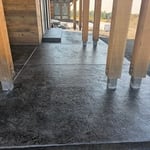
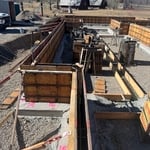
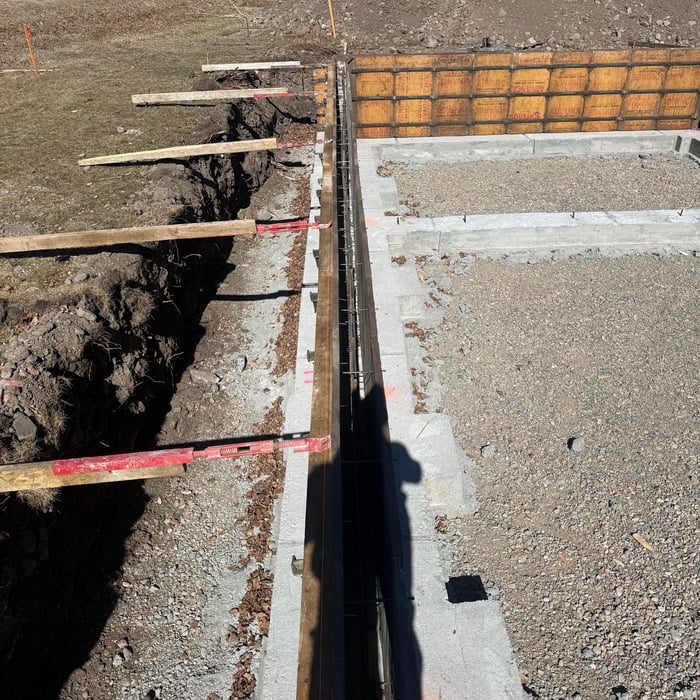
Plastering and Masonry services done with integrity since 2000. I have been in the trades for most my life and know what works and what doesn't! I pride myself on the quality work I provide, while delivering great customer service.\nPlease see some of the services I offer below and call -or- click to schedule an estimate today!\n

Front gable
Asphalt Driveways questions, answered by experts

It takes recycled asphalt 48 hours to initially harden and up to 3 months to fully cure. It’s best to stay off of recycled asphalt for at least 48 hours, then you can walk or drive standard vehicles on it. Hold off on driving heavy trucks or equipment on it for at least 7 days. Allowing the surface to melt together and harden ensures that the surface stays durable and long-lasting. 

Asphalt edging secures the sides of your driveway to prevent crumbling and cracking over time. Most driveways have edges with a 45-degree grading. This helps transfer some of the stress from the asphalt to the ground underneath. If your driveway doesn’t have proper edging, the pressure from your car may break down the edges over time.

While blacktop is a type of asphalt, the terms should not be used interchangeably, as not all asphalt qualifies as blacktop. The primary differences are in their composition, production process, and ideal applications. Blacktop contains more stone than other types of asphalt and is heated to a higher temperature during production—300°F or more—while hot-mix asphalt is heated to between 275°F and 300°F. The ratio of bitumen (a tar-like crude oil) is a key differentiator, though sources vary: some state blacktop has less bitumen, making it less durable, while others claim it has a higher ratio. Due to these differences, asphalt is generally more durable and better for high-traffic areas like highways and streets, while blacktop is more suitable for playgrounds and residential driveways. For a driveway project, it is best to consult a professional to determine the most appropriate material.

The dimensions of a driveway apron vary based on local building codes, the width of your driveway, and the distance between the driveway and the road. On average, aprons range from 12 to 24 feet wide and 8 to 18 feet long. Typically, the end of the apron connected to the driveway matches its width—such as 10 to 12 feet for a single-car driveway—while the end at the street flares out to allow cars to turn in and out more easily. In some areas, you may not be responsible for the portion of the apron that extends beyond the sidewalk, but this depends on local laws.

Driveway aprons typically range between four and seven inches thick, though your town's building codes will likely have specific requirements. Additionally, you may need to add a layer of permeable aggregate in the excavation below your paved apron to ensure proper stormwater drainage.

The Walkerville, MT homeowners’ guide to asphalt driveway services

From average costs to expert advice, get all the answers you need to get your job done.

What do you need done? We’ll find top pros.
  • 🌱 "Mow a small front yard"
  • 🛠 "Fix a leaking pipe under the sink"
  • 🏠 "Repair shingles on an asphalt roof"