"WOW! Groundworks is a great, reliable company! We had the dream team, Ryan, Alejando (Alex) and Jose, working on our home. Ryan kept us informed on what was going on the during the whole project. Ryan and Alex were so reassuring of all our fears and concerns, we knew we were in good hands. Alex and Jose were so polite and talk about hard working!! All three of them went above and beyond, exceeding our expectations, saving some landscaping we didn't expect to be saved. They took great care with our landscaping and yard and did not cause any unexpected damage to any of it! They did a great job with the clean-up at the end of the job as well. These three men worked great together as a team. We were happy to see them everyday and a little sad when we said good bye."
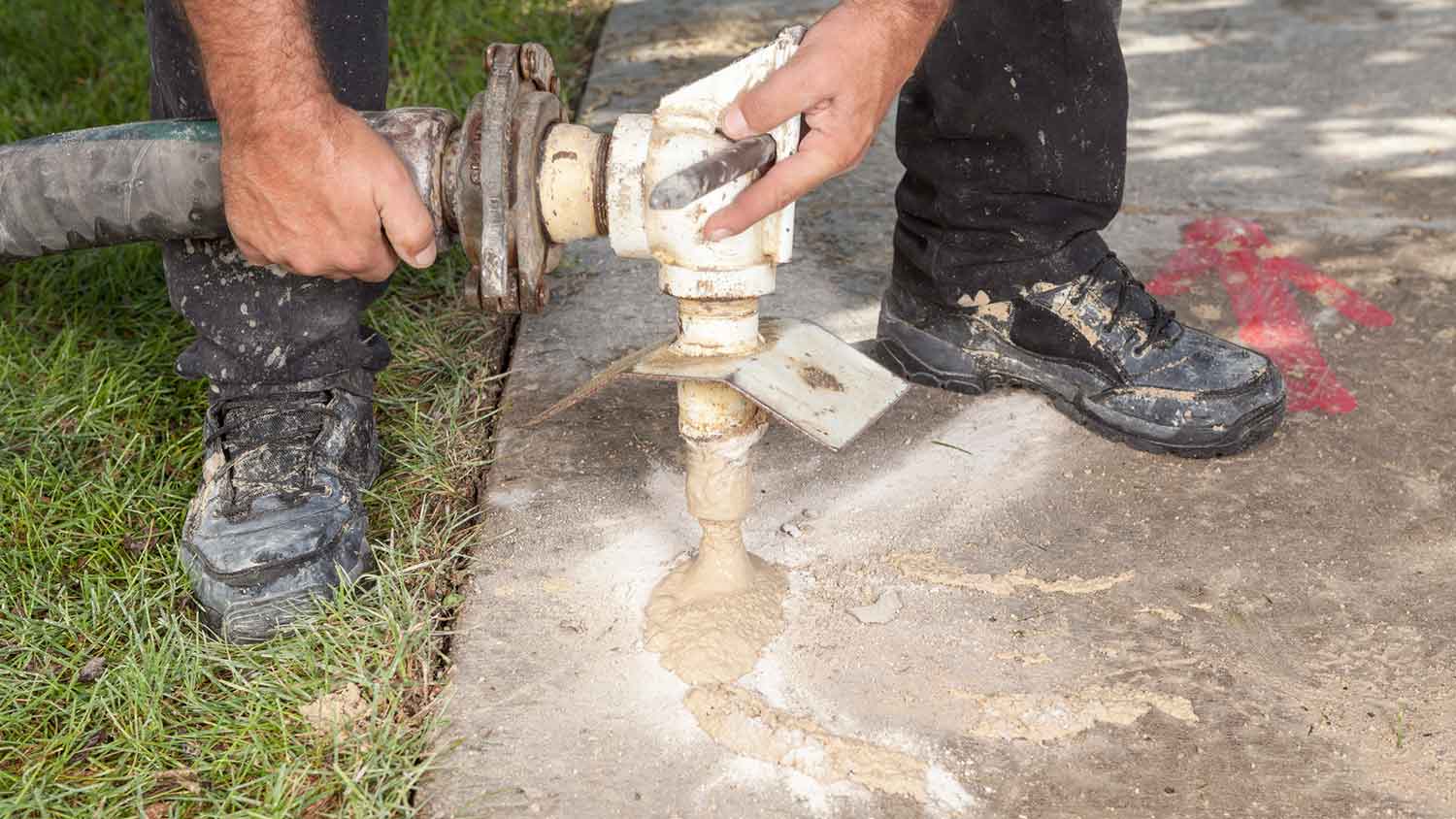
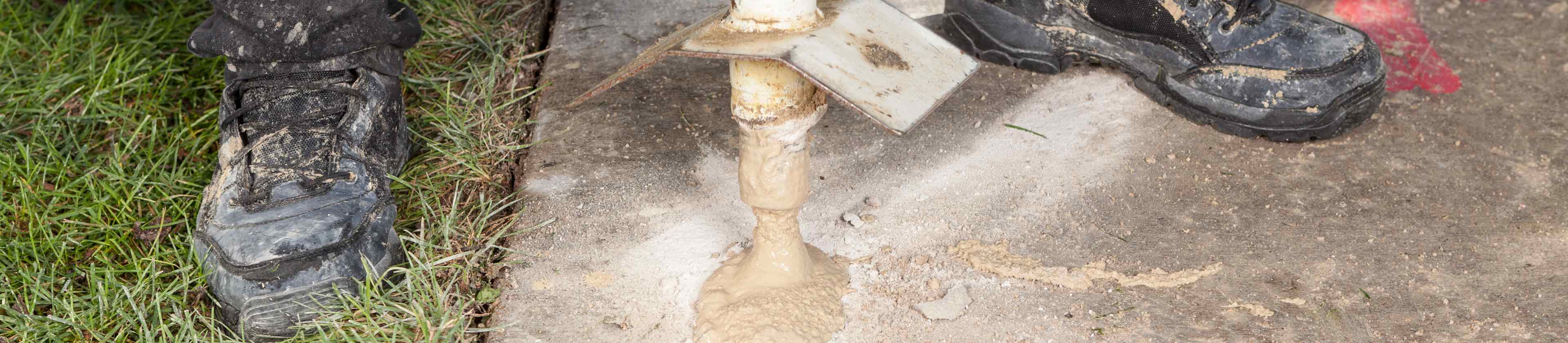
On average, a mudjacking repair lasts between five and 10 years, though it can sometimes last for well beyond a decade under ideal conditions. Its longevity depends heavily on several factors, including the condition of the underlying soil, environmental conditions like freeze/thaw cycles and erosion, and whether the root cause of the sinking, such as drainage issues, is resolved. Because it doesn't always fix the underlying problem of loose soil, mudjacking is often considered a temporary solution. Proper maintenance and evaluation can help extend its lifespan.
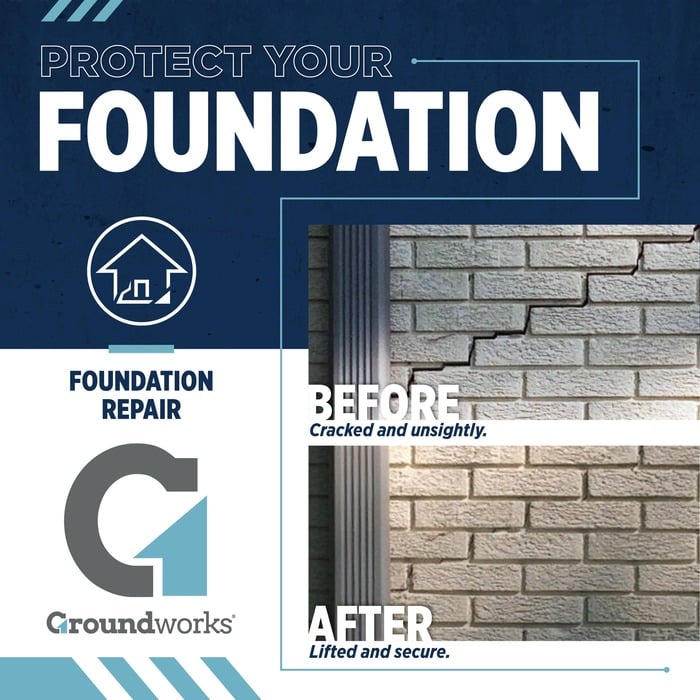
A sinking foundation can be lifted, most often by installing piers to re-level and support the weight of the house. Depending on the cause and extent of the sinking, other methods to lift a foundation include underpinning and mudjacking. Consult a foundation repair pro to determine the best way to lift your sinking foundation.
Yes, you can mudjack cracked concrete, but the cracks will need to be repaired once the concrete has been leveled. If the concrete is severely cracked in multiple places, replacement may be a better option, but for less severe cracking, mudjacking is a good solution as long as cracks are correctly caulked and sealed.
Most states and municipalities don’t require concrete mudjacking companies to carry a specific license, but they usually need to have a general contractor’s license, and they should be fully insured. The only exception is if the mudjacking company provides foundation repairs as well, or if it offers mudjacking for home foundations. In that case, they will typically need a foundation repair contractor’s license. You can check state requirements and then use Angi’s license lookup tool to confirm that a company is properly licensed to provide mudjacking services in your area.
Trenching and boring are two distinct methods for installing underground utilities. Trenching involves digging a channel using equipment like an excavator, trencher, backhoe, or shovel. While it is a simpler process, it causes significant disruption to the surface, landscaping, and surrounding ecosystems.
Boring, also known as directional boring, is a less invasive alternative that uses a drill to create a tunnel for utility lines without disturbing the surface. This method is more precise and is ideal for installations that need to go underneath buildings, roads, or bodies of water. Although boring is less disruptive, it is generally more expensive than trenching.
The Lodge Grass, MT homeowners’ guide to concrete leveling services
From average costs to expert advice, get all the answers you need to get your job done.
Learn about concrete leveling and how it can fix uneven surfaces, from sunken sidewalks to uneven driveways, and boost your home’s safety and curb appeal.