

Top-rated driveway sealcoating pros.

Get matched with top driveway sealcoating pros in Libby, MT

Enter your zip and get matched with up to 5 pros

Need a pro for your driveway sealcoating project in Libby, MT?

Select your specific project to find the pro for you.

Find Driveway sealcoating pros in Libby

Avatar for SPC Asphalt -   Facebook
SPC Asphalt - Facebook
New to Angi
Asphalt SealingAsphalt Sealing- For Business

Serving Libby, MT and surrounding areas

In business since 2005

With over ten years of experience we focus on paving requests in the Bigfork area. We will treat your home or commercial property as if it were our own. Give us a call today, we look forward to working with you.

Response time50 mins
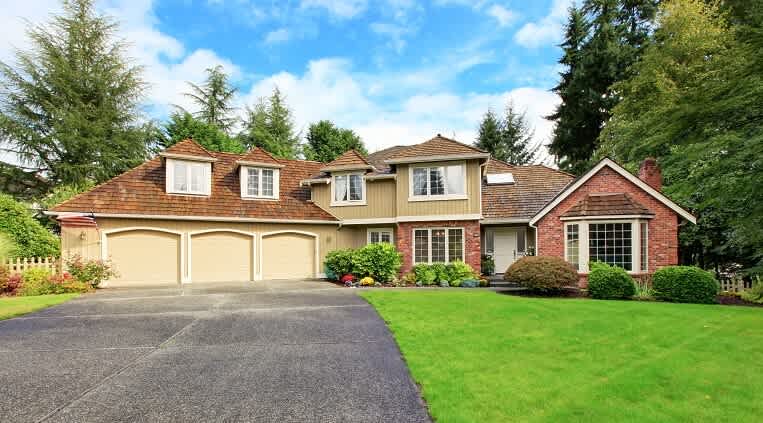
Driveway Sealcoating questions, answered by experts

Though they may look similar, tar and bitumen come from different sources. Bitumen is a petroleum product—extracted during crude oil refining—and is mostly made up of hydrocarbons. Tar comes from burning down organic materials like coal or wood. Bitumen is strictly oil-based, while tar is a mix of compounds from natural sources. Both are used as binders in paving; however, bitumen is the standard for today’s asphalt. Tar use has mostly faded out of road construction.

Yes, most services include sealing to protect the finish and enhance durability. Confirm with your provider.

While blacktop is a type of asphalt, the terms should not be used interchangeably, as not all asphalt qualifies as blacktop. The primary differences are in their composition, production process, and ideal applications. Blacktop contains more stone than other types of asphalt and is heated to a higher temperature during production—300°F or more—while hot-mix asphalt is heated to between 275°F and 300°F. The ratio of bitumen (a tar-like crude oil) is a key differentiator, though sources vary: some state blacktop has less bitumen, making it less durable, while others claim it has a higher ratio. Due to these differences, asphalt is generally more durable and better for high-traffic areas like highways and streets, while blacktop is more suitable for playgrounds and residential driveways. For a driveway project, it is best to consult a professional to determine the most appropriate material.

You don't technically need to seal your driveway after pressure washing, but doing so will help keep your driveway clean for longer. The best driveway sealer depends on the type of driveway you have. To seal asphalt, consider an asphalt emulsion sealer, fast-drying sealer, or latex acrylic sealer. Concrete driveways commonly use acrylic sealers or penetrating sealers.

It depends on the type of sealer. Some sealers can dry in as little as 4 hours, but many can take up to 48 hours to fully cure. To play it safe, don’t drive on your driveway for two days after sealing.

The Libby, MT homeowners’ guide to driveway sealcoating

From average costs to expert advice, get all the answers you need to get your job done.