"Jim is local. It went great. Jim Ferrell is a professional of the highest caliber. Responded quickly, took care of my problems, and advised me as to better means of protection than I had. He came back a second time to uninstall software that I purchased that did not provide adequate protections and installed free software that would do the job. He did the work through remote connection, but is available on site if necessary. For those people needing help on getting red of malware, viruses , etc. on your computer, Jim is local, better than all thse remote out of state location providers, is a mature, highly trained professional in this area. If you go to local computer stores you get very young people that can do a basic job, but are no where near the professional level of Jim. I highly recommend Jim to anyone that needs these type services. "

"I would shop around. I think I could have a shorter wait time between when they figured out what kind of repairs you need and when they actually approve the repairs and get somebody out there to do the installment. It's just a long lots of time in getting the job done."
"Salesman was very informative and the crew did a great job with the installation. Couldn't be happier and the windows literally cut my utility bill in half so great product!"
In most cases, repairing a radiator is more affordable than replacing it. A typical repair may cost between $100 and $200, while a replacement can average $1,500, with a range of $250 to $2,500 depending on the unit type. Radiator issues are often simple fixes for a professional, such as a blown fuse, malfunctioning thermostat, or a loose valve, and can take less than an hour. However, if the long-term costs of fixing the radiator are higher than replacement, it's better to get a new model. It is recommended to consult a heating expert to diagnose the problem and determine the best solution for your situation.
Many utility companies and government programs offer rebates or incentives for the installation of high-efficiency propane boilers. These can offset upfront costs and improve your return on investment. Check with your local utility or installer for current offers. Incentives vary by state and provider, so exploring regional programs can help maximize your savings.
The cost of heating oil fluctuates rapidly based on supply and demand, but the average price is between $4.00 and $4.50 per gallon, which means filling a standard 275-gallon tank would cost between $1,100 and $1,240. Much like automotive gasoline, the price of home heating oil changes constantly, so the only way to get an accurate and current price per gallon is to contact a heating oil delivery company. Some companies also offer contracts with a set price that should be an average cost over the contract term.
The primary differences between a heat pump and a boiler are their function and how they produce heat. A heat pump is a versatile system that provides both heating and cooling by moving ambient air and altering its temperature. In contrast, a boiler is solely a heating system, often working with a furnace or AC unit as part of a larger HVAC system. In terms of heat production, a heat pump generates heat more slowly and at a lower temperature, requiring a large convector for distribution. A boiler, however, produces a large amount of high-temperature heat that it emits through smaller radiators.
A common HVAC rule is that for every 500 to 600 square feet of living space, you need 1 ton of heating or cooling capacity. Now that you know this common rule, you also need to know that it isn’t very accurate, and a dedicated pro wouldn’t use it for your home. If you talk to a pro who won’t or can’t perform a proper Manual J calculation, consider hiring someone more thorough.
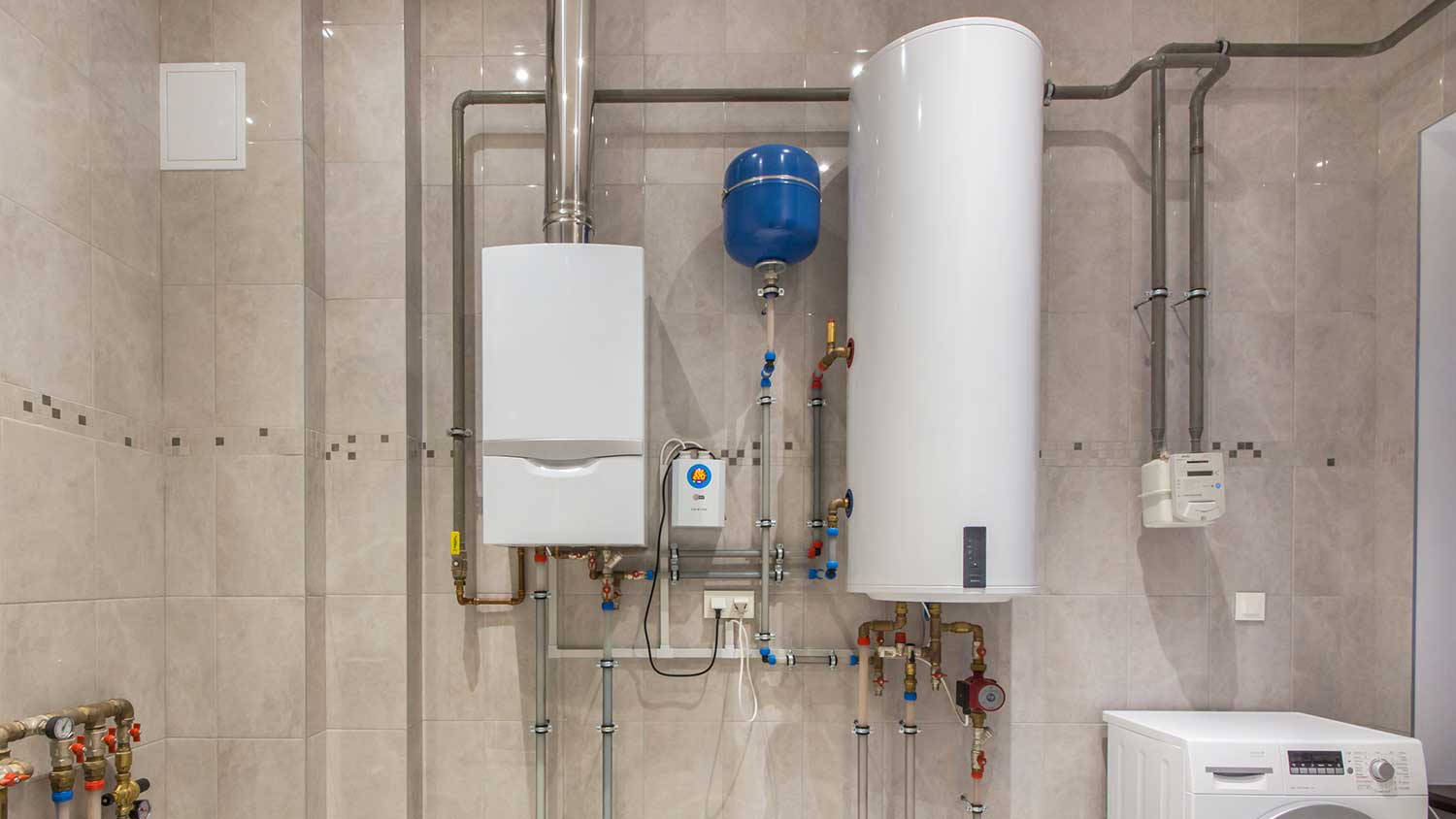
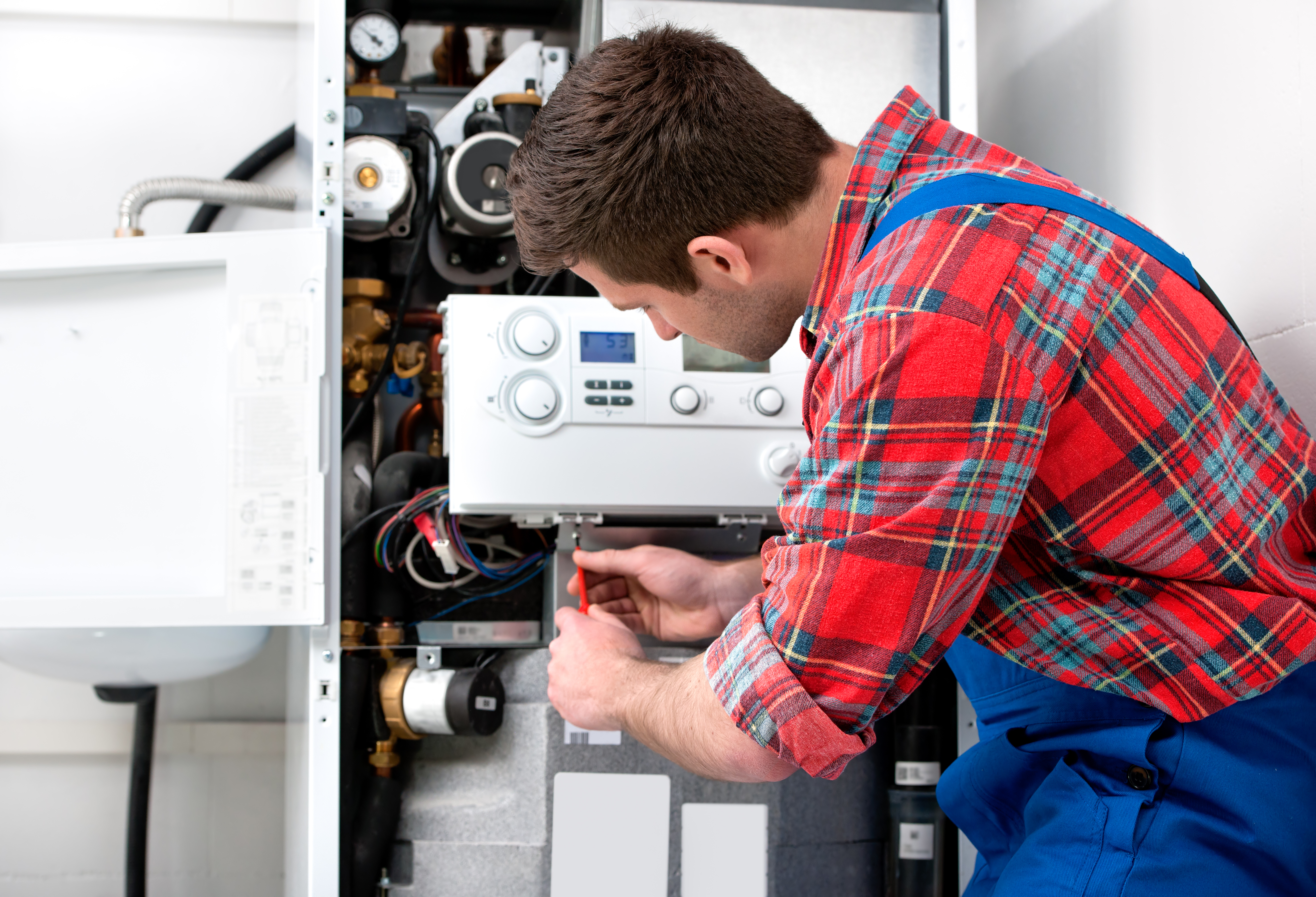
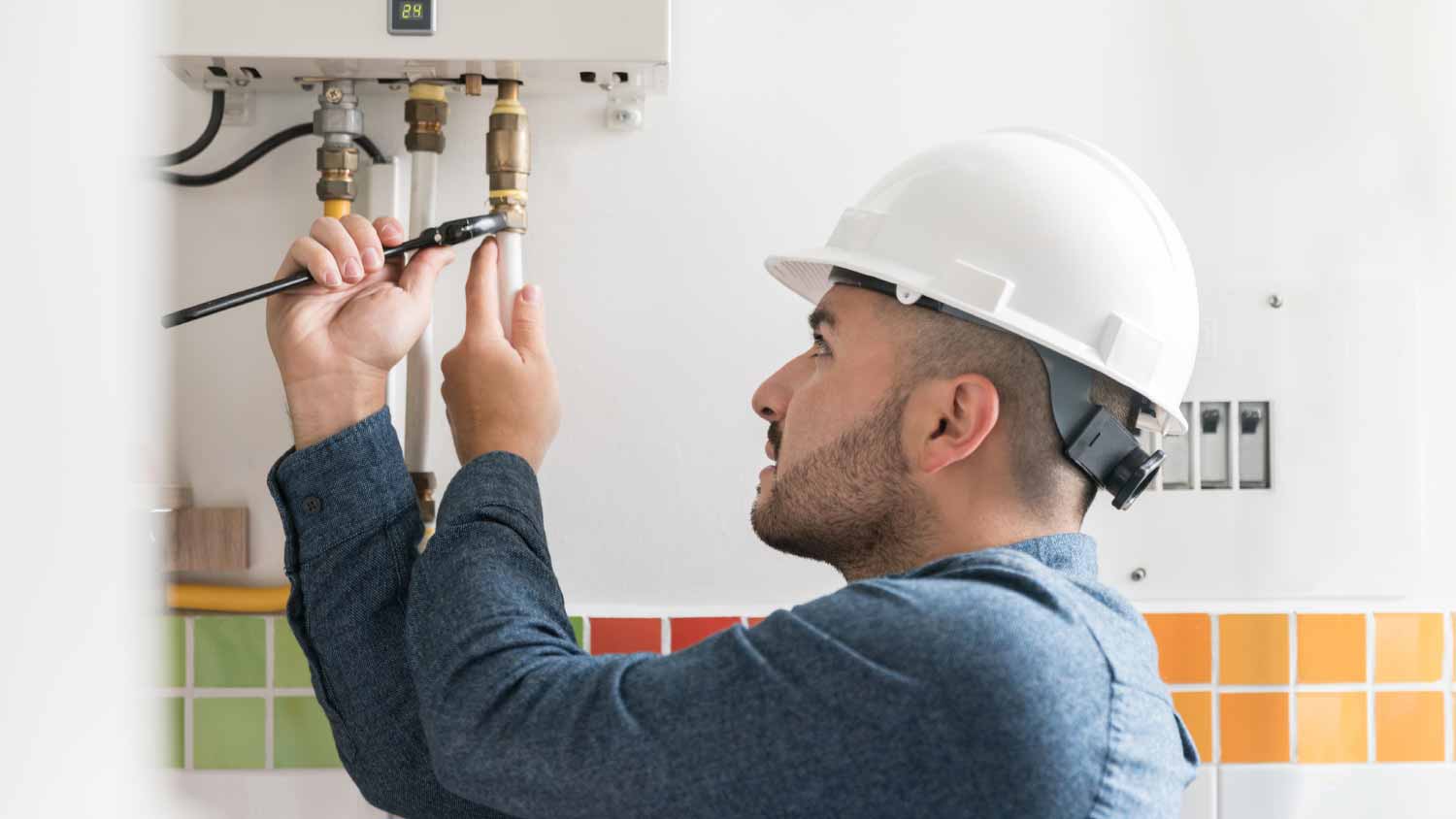
The Great Falls, MT homeowners’ guide to boiler installation services
From average costs to expert advice, get all the answers you need to get your job done.
Discover the average electric boiler installation cost, key price factors, and ways to save. Get transparent, expert-backed estimates for your project.