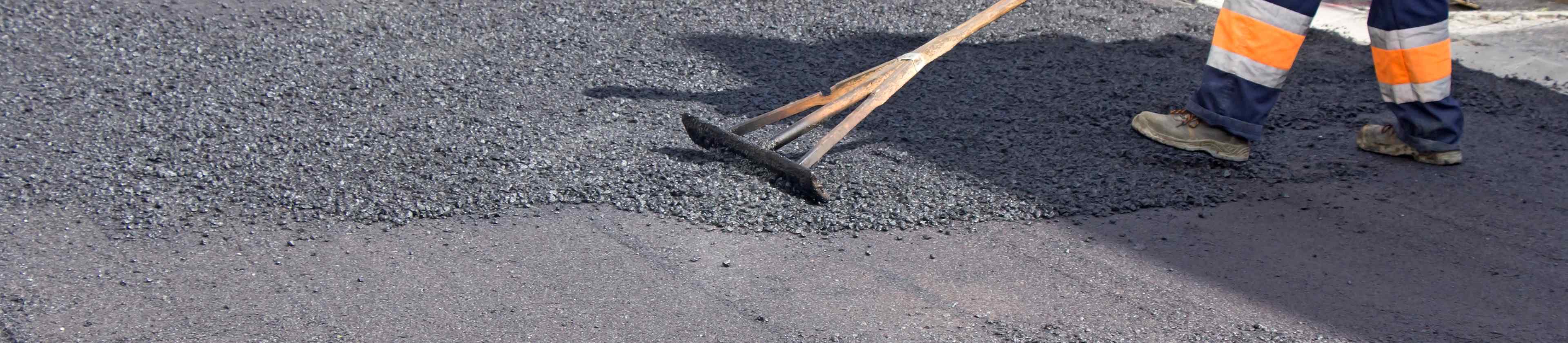





Top-rated asphalt driveway pros.

Get matched with top asphalt driveway pros in Glasgow, MT

Enter your zip and get matched with up to 5 pros

Need a pro for your asphalt driveway service project in Glasgow, MT?

Select your specific project to find the pro for you.

Find Asphalt driveway pros in Glasgow

No results for Asphalt driveway pro in

Try adjusting your search criteria.
Asphalt Driveways questions, answered by experts

The dimensions of a driveway apron vary based on local building codes, the width of your driveway, and the distance between the driveway and the road. On average, aprons range from 12 to 24 feet wide and 8 to 18 feet long. Typically, the end of the apron connected to the driveway matches its width—such as 10 to 12 feet for a single-car driveway—while the end at the street flares out to allow cars to turn in and out more easily. In some areas, you may not be responsible for the portion of the apron that extends beyond the sidewalk, but this depends on local laws.

The three most common types of asphalt are hot asphalt, MC cold mix, and UPM asphalt. Hot asphalt is used most often for paving and patching roadways while it’s hot and workable. MC cold mix asphalt cures more slowly than hot asphalt, but it can be used for temporary patches and repairs in low-traffic areas. UPM is also used cold, but it can be used as a longer-term fix, usable in almost any conditions at almost any temperature.

Asphalt is not a type of concrete. While both are a common type of pavement, asphalt is composed of aggregates (like sand and gravel) and bitumen; concrete is a mixture of cement, aggregates, and water. Here are some of the key differences between asphalt and concrete driveways.

The choice between asphalt and concrete depends on your priorities, budget, and climate.

Concrete is generally more durable, lasting up to 50 years with minimal upkeep, and offers more customization options like staining and stamping, which can add more to a home's value. However, it is more expensive upfront and can be prone to cracking in cold climates where water can freeze and expand.

Asphalt is typically cheaper and quicker to install and is easier to repair. It performs better in colder climates. However, it requires more maintenance, including regular resealing, has a shorter lifespan, and can get hot and sticky in intense sunlight.

Ultimately, if durability and long-term value are key, concrete is often the better choice. If upfront cost and performance in cold weather are more important, asphalt may be preferable.

At a depth of two inches, a ton of asphalt covers around 80 to 100 square feet. However, the thicker the asphalt, the less surface area it will cover. That’s why measuring correctly is essential when estimating asphalt needs and costs to ensure you get enough material to cover your entire driveway, patio, or other asphalt surface.

The Glasgow, MT homeowners’ guide to asphalt driveway services

From average costs to expert advice, get all the answers you need to get your job done.

What do you need done? We’ll find top pros.
  • 🌱 "Mow a small front yard"
  • 🛠 "Fix a leaking pipe under the sink"
  • 🏠 "Repair shingles on an asphalt roof"