New Heights Construction, LLC
Handyman for Multiple Small Projects
Serving Conrad, MT and surrounding areas
In business since 2010
Free estimates
"I have hired him to come back."
Response time9 hrs
Response rate92%
Recommended by100%of homeowners

Serving Conrad, MT and surrounding areas
In business since 2010
Free estimates
"I have hired him to come back."
Serving Conrad, MT and surrounding areas
In business since 1986
Warranties offered
Small jobs welcome
I'm a montana farm boy that started surveying in the 1980's and got my 1st construction job in 1986 working for Don Boutin he was one of the carpenters in town. In 1991 i opened my 1st handyman business. that was my 1st complete bathroom remodal. In 1994 i opened my second business in Heilbronn germany where I learned the ropes of two speaks one idea..In germany I installed doors,floors, trim and a few kitchens too mostly just high end kitches with exotic trim one of my specailitys.. I never used a nail in five years or puddy. most al of my costomers where new builds for one builder I build as manager a 14 aptment complexe and 20 due-plex's.. everything was in geman so I still have problems with words but I get along good with the hutterites... I'm thier to please the costomer and give them what they want without over burding thier wallet.. I don't lie so I'm kind of blunt but worthy of any job.. I'll time it so you can time your life around my work. I'm very clean and it takes extra.
Serving Conrad, MT and surrounding areas
In business since 2019
Free estimates
Ranch work\nWell experienced
Serving Conrad, MT and surrounding areas
In business since 2016
Free estimates
Our happy and satisfied customers recommend us to their friends and family all the time. We are proud of our reputation and we feel it has been well earned. We are also happy that we can help you feel good knowing that you are working with a reputable company that stands behind its products and services.
Serving Conrad, MT and surrounding areas
In business since 2016
Free estimates
Offers commercial services
4 workers. remodeling, concrete work, asphalt paving. \nmilage per trip charge\n7-7 7days a week.
Serving Conrad, MT and surrounding areas
In business since 2007
Free estimates
Mathis Flooring was founded on the belief that homeowners should have a competent and understanding flooring contractor that listens to them and their needs.\nHere at Mathis Flooring we are that contractor.
From average costs to expert advice, get all the answers you need to get your job done.

Discover the gas grill installation cost, including average prices, key cost factors, and tips to help you budget for your outdoor cooking upgrade.
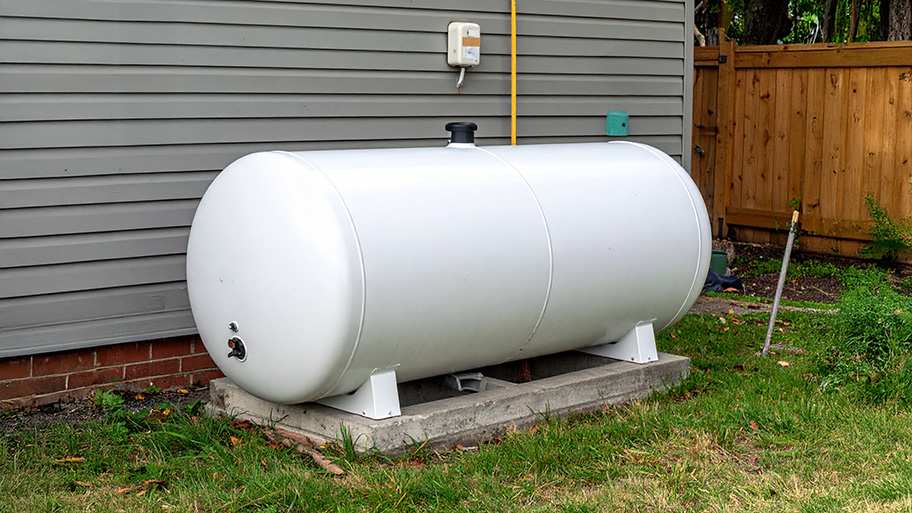
The average propane tank costs between $600 and $2,500, depending on the size, location, and more. Our expert guide explores all the factors.

Learn how to hire a gas grill installer. Find qualified pros, ask the right questions, and get your outdoor cooking space set up safely and correctly.
Planning a new outdoor cooking space? Learn everything you need to know about gas grill installation costs, setup options, and how to hire a local pro.
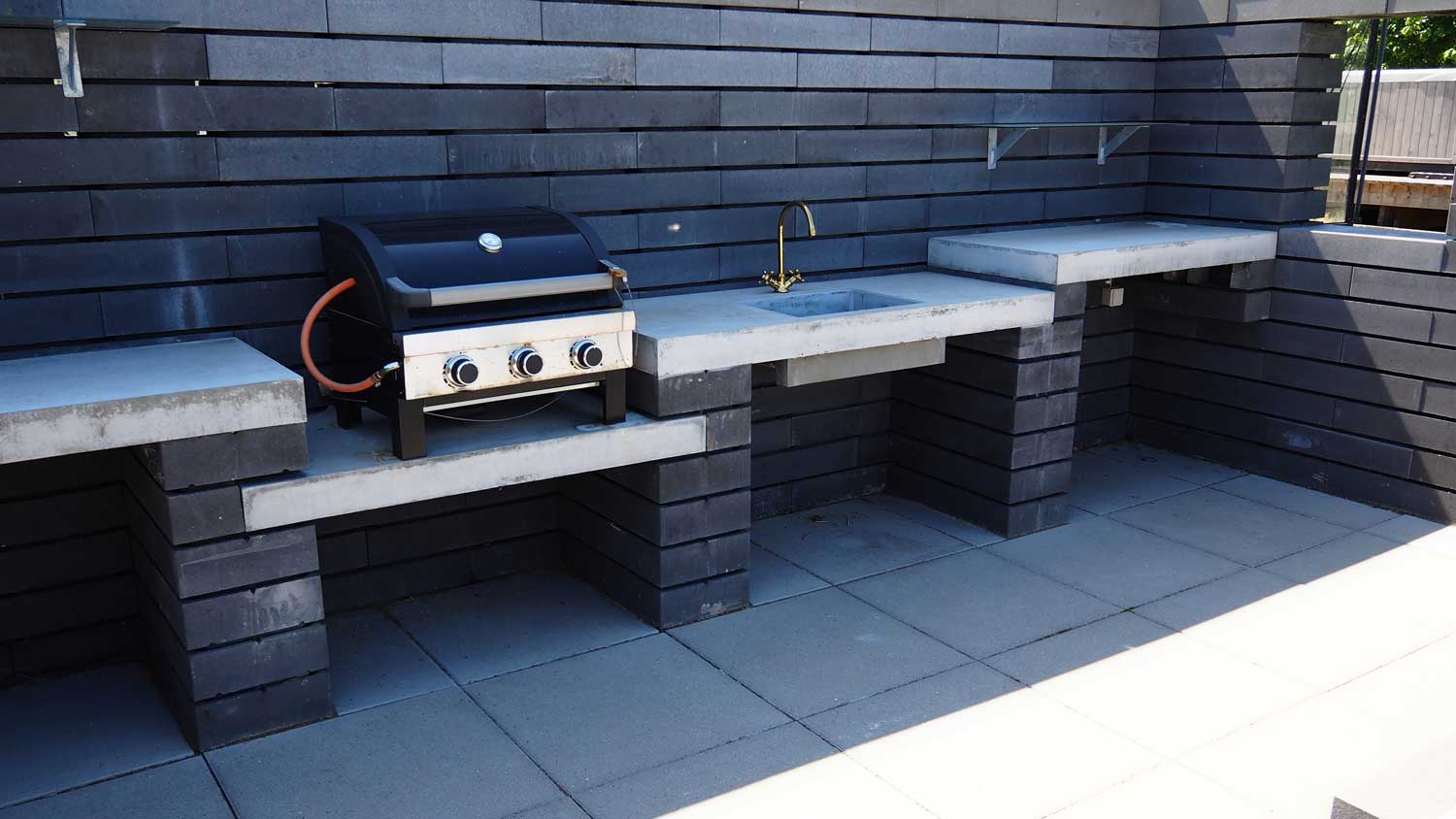
Wondering who to hire for gas grill installation? See which pros to call, the steps they follow, and how to ensure a safe, code‑compliant hookup.
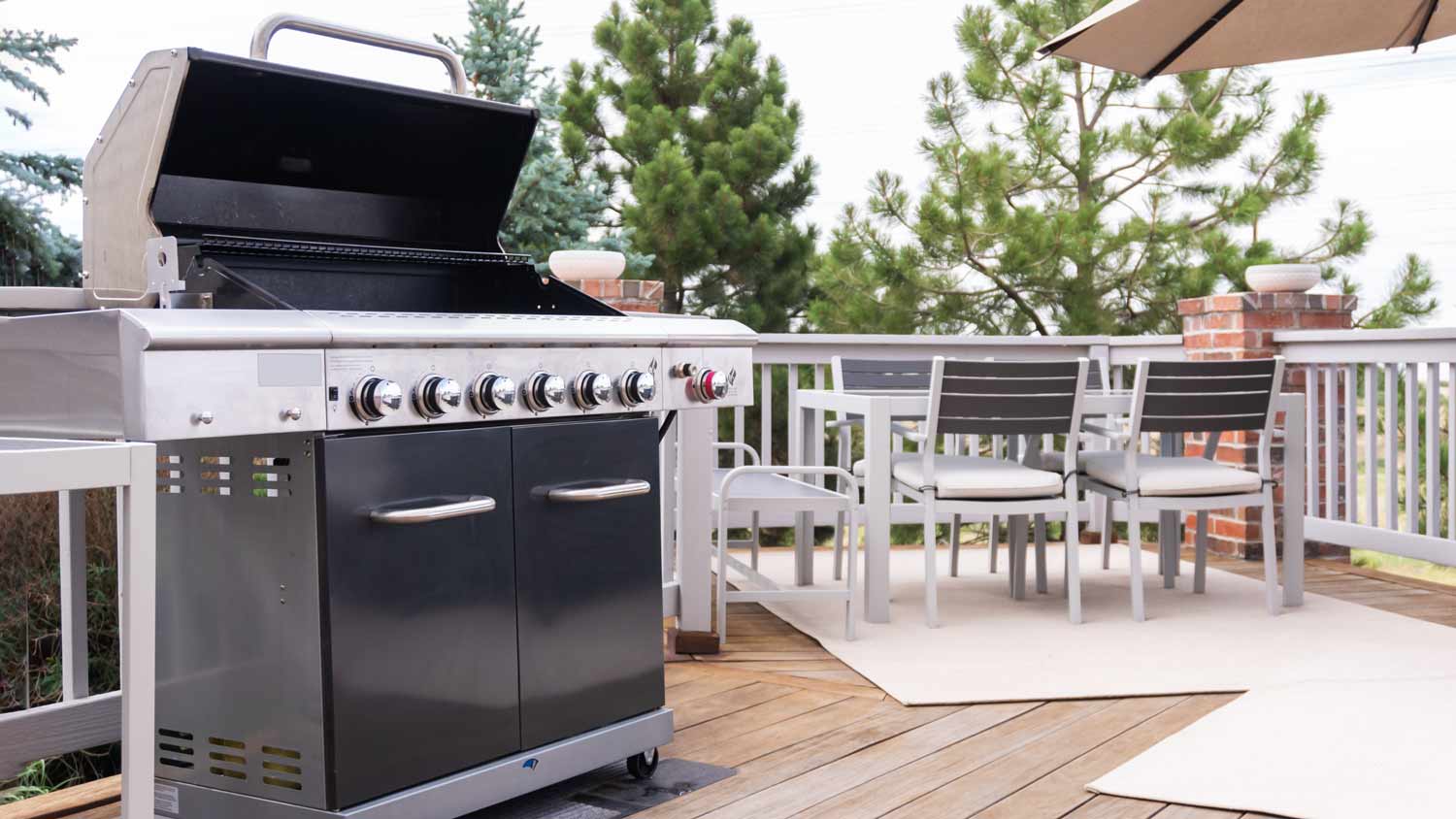
Don’t leave your grill behind when moving house. Learn how to move a grill safely so you can enjoy a home-cooked meal on your first night in your new place.