Top-rated asbestos removal specialists.

Get matched with top asbestos removal specialists in Boulder, MT

Enter your zip and get matched with up to 5 pros

Need a pro for your asbestos abatement project in Boulder, MT?

Select your specific project to find the pro for you.

Find Asbestos removal specialists in Boulder

Allen's Siding & Windows, Inc.
New to Angi

Serving Boulder, MT and surrounding areas

In business since 1988

Allen's Siding & Windows, Inc., is a Full Service,Owner Operated Company for over 17 years in complete exterior home improvements from custom design additions, sunrooms, patios, and decks to complete siding and window installations and repairs as well as all exterior window treatments including custom shutters and awnings. We specialize in ALSIDE ULTRAMAX Windows, which have been energy star partner for 3 years running. We work with you from start to finish with complete client focus, and professional personalized service giving superior craftsmanship with attention to each detail to ensure we create the vision you have for your home. Hire The Contractor not a Salesman. Please see our website at www.sydngys.com

Asbestos Removal questions, answered by experts

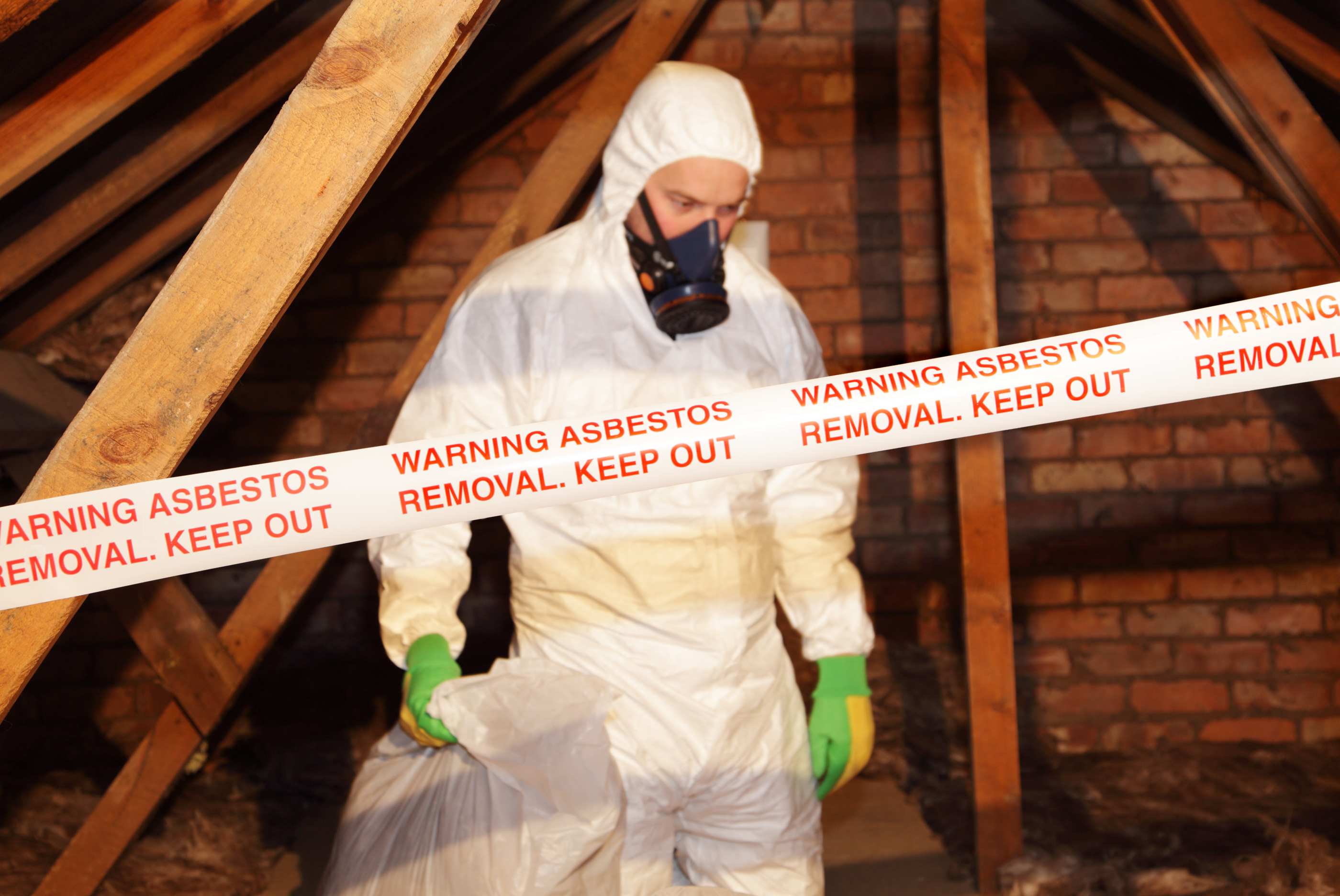
Vermiculite insulation can be hazardous if it contains asbestos. Asbestos fibers, when released into the air and inhaled, can pose significant health risks. The EPA recommends leaving vermiculite insulation undisturbed to avoid potential exposure. It is crucial to have vermiculite insulation tested by a certified professional to determine if it contains asbestos. If asbestos is present, proper precautions should be taken, including containment or removal by licensed abatement professionals.

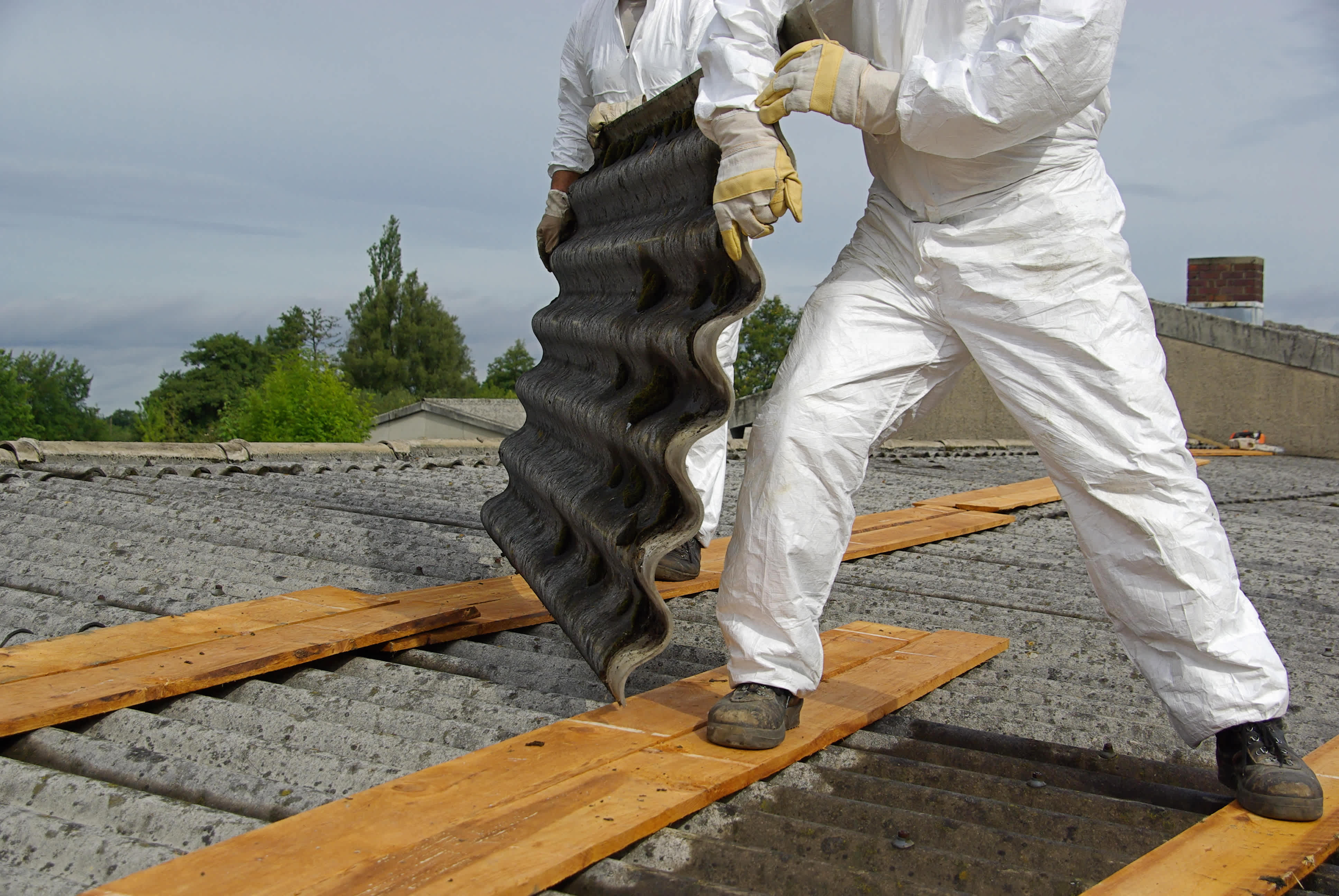
Although the use of asbestos has declined since the 1980s, it remains in several different types of building construction materials for insulation and as a fire retardant. Typically, asbestos can be found in materials such as ceiling and floor tiles, heat-resistant fabrics and coatings, and roof shingles. You may also find asbestos in textured paint and patching compounds.

Epoxying over asbestos tiles is generally considered a safe option when done correctly. Epoxy acts as a sealant, encapsulating the asbestos tiles and preventing the release of asbestos fibers into the air. The key is ensuring that the asbestos tiles are in good condition, firmly adhered to the substrate, and not damaged or deteriorating. This method is only appropriate for tiles that are undamaged and securely in place. If the asbestos tiles are already loose, damaged, or deteriorating, encapsulating them with epoxy may not be a sufficient solution, as it might not address the potential for ongoing asbestos exposure.

Most manufacturers stopped putting asbestos in linoleum before 1980 due to public concerns about its toxicity. However, the Environmental Protection Agency (EPA) didn’t ban asbestos-containing products until 1989, and a comprehensive ban was not announced until 2024. This means that homes built after 1989 may still have asbestos in their flooring.

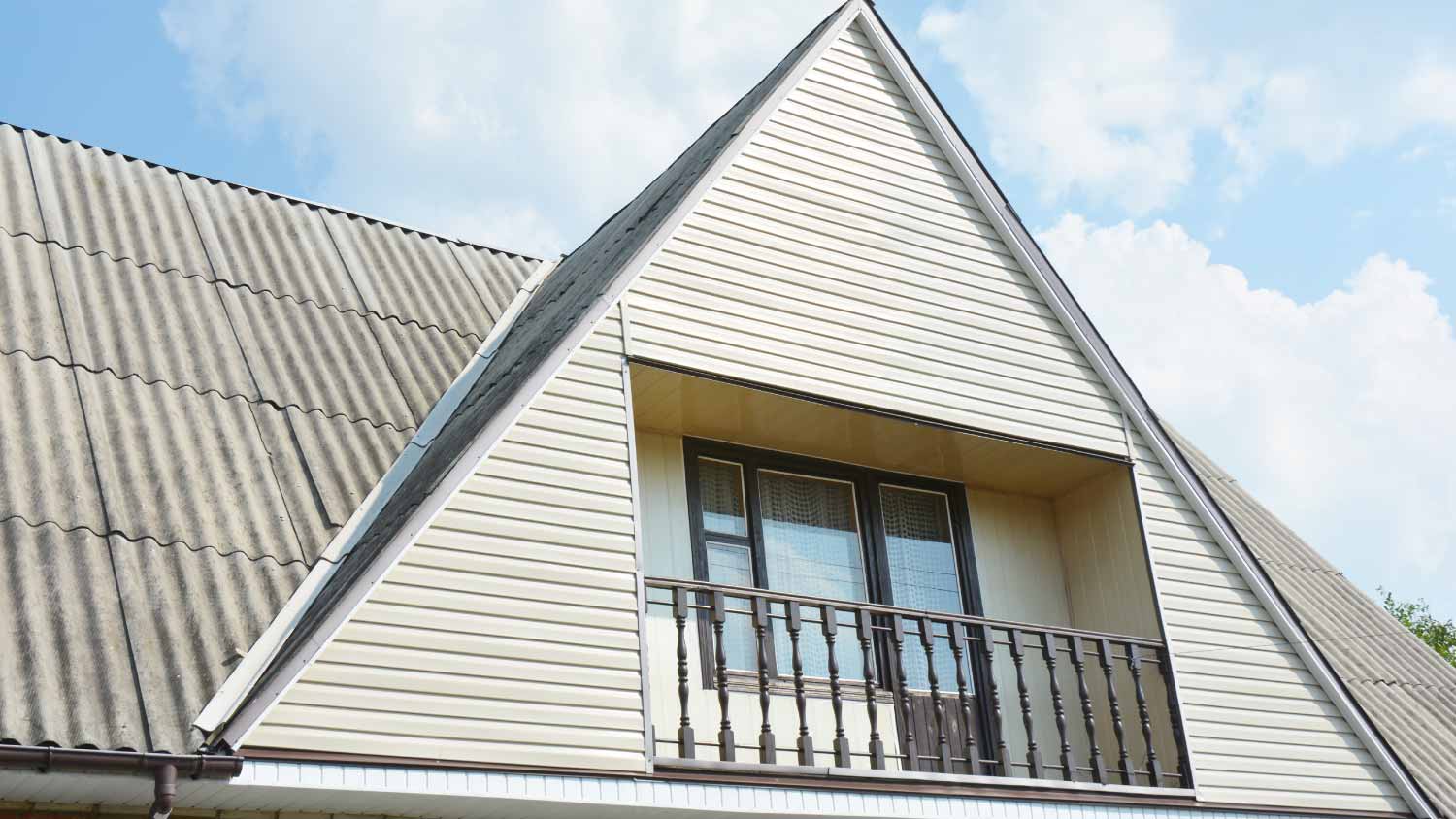
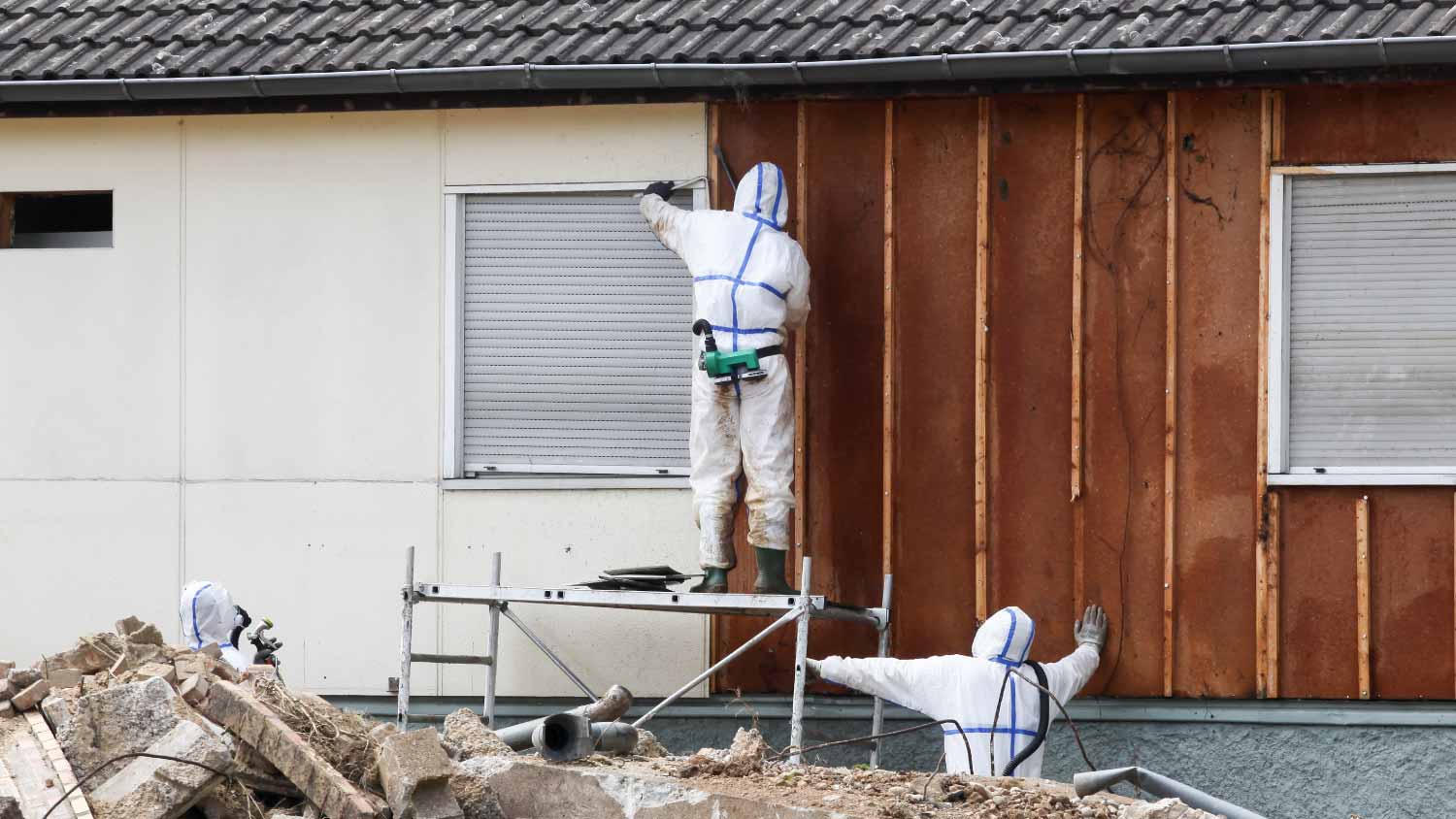
In the 1980s, the use of asbestos in house siding materials underwent a significant decline, ultimately being phased out by the mid-1980s to early 1990s. This change was largely due to a growing awareness of the severe health risks associated with asbestos exposure, particularly its link to lung diseases and cancers. With increased public concern and regulatory agency involvement, building codes and regulations were updated to restrict the use of asbestos in construction materials. 

The Boulder, MT homeowners’ guide to asbestos removal services

From average costs to expert advice, get all the answers you need to get your job done.