"I only use James when I need some work done to my house. He responds fast, gets the work done quicker than just about anyone else I've ever used and seems very concerned with leaving his customers happy."
Ideally, you want to ask the wallpaper installers you’re considering for examples of past work, and references you can call. These will prove that the installer can handle your job, make your room look professional, and will also give you some insight into the kind of customer service you can expect. Before you start calling companies, you might want to narrow down your options by finding installers with mostly positive reviews online.
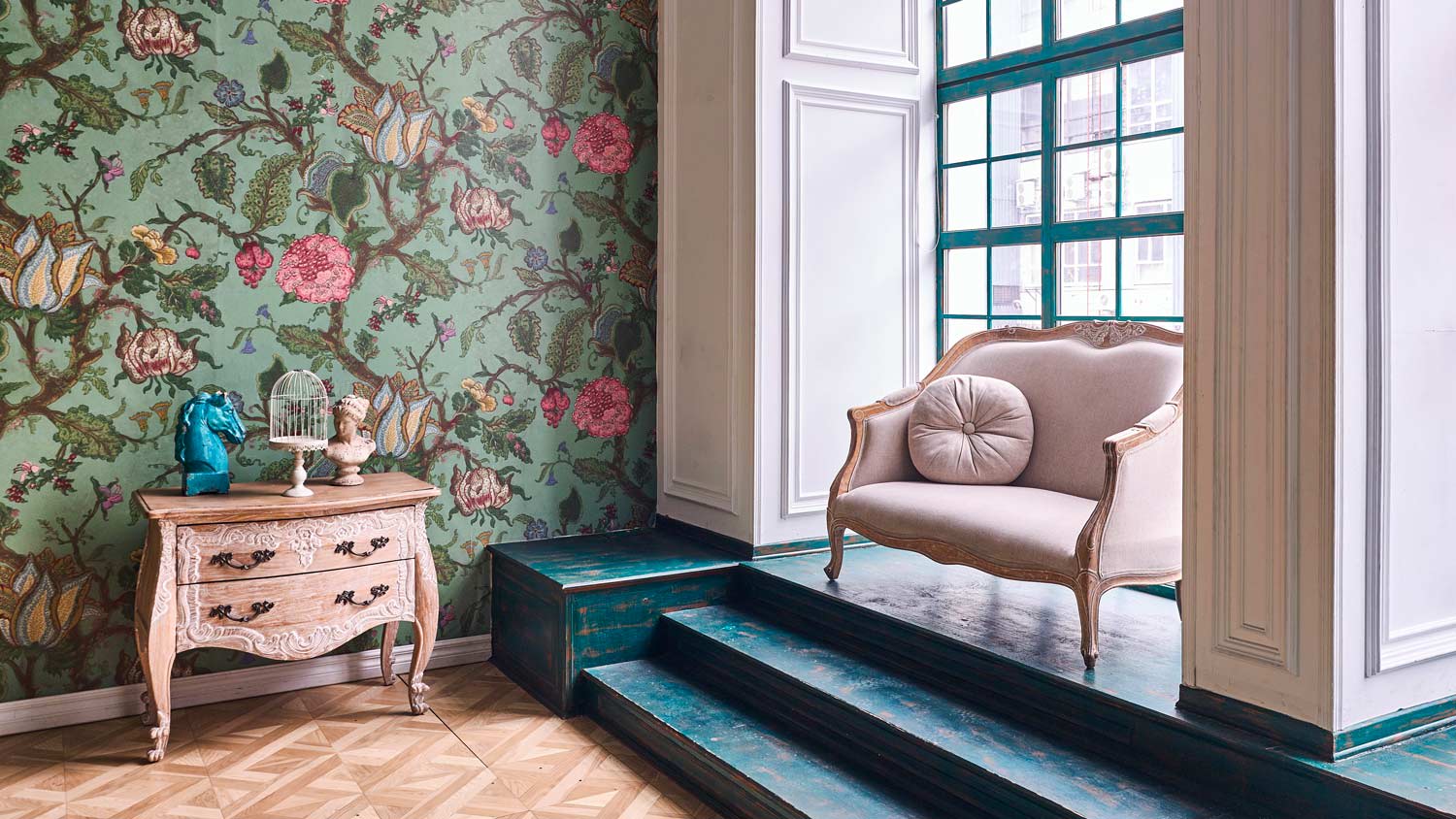
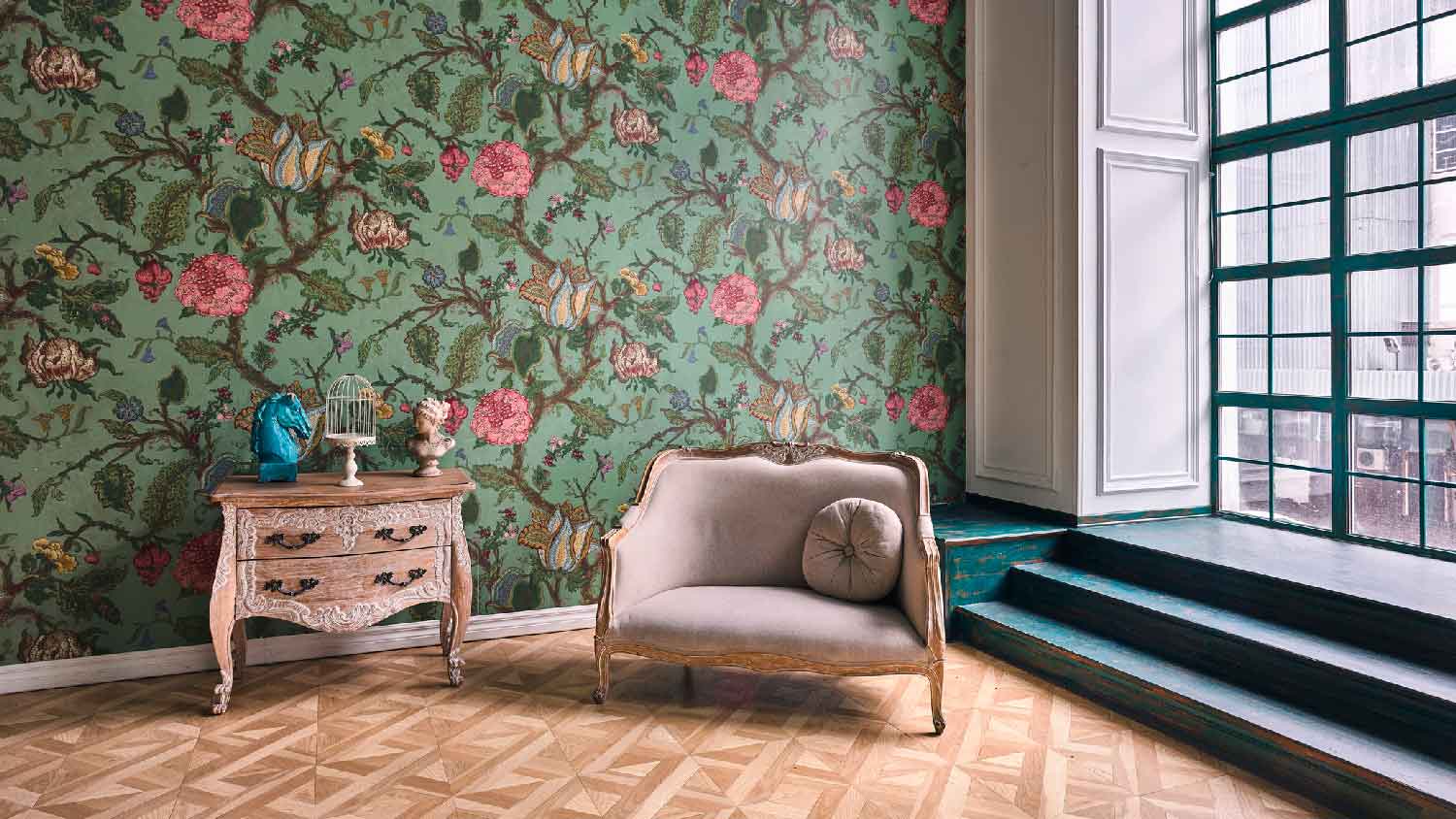
You should be aware of the current wallpaper and interior trends before hanging it, especially if you are planning on selling or listing your home soon. Do people in your market tend to prefer bold designs and accent walls, or does having a simpler print all over seem like a better idea? Lastly, you want something that appeals to your aesthetic preferences; hanging wallpaper is an investment of your time and money after all.
In most cases, it is not recommended to wallpaper over existing wallpaper, as the success depends on the type of paper already on the wall. While you might be able to cover non-coated wallpaper, you should never apply new wallpaper over a vinyl-coated one, which is more common. Doing so can lead to poor adhesion, resulting in bubbles, imperfections, and peeling. It can also trap moisture, potentially causing hazardous mold growth between the layers.
Even if the existing wallpaper is suitable, experts recommend applying only one new layer. Adding multiple layers (more than two total) can cause significant adhesion problems, leading to warping and bubbling. For the best results, the recommended approach is to remove the old wallpaper and all paste residue before hanging the new paper. If you are unsure about your wallpaper type, consider consulting a professional.
While peel-and-stick wallpapers require no time to cure, the adhesives for other types of papers will take a day or two to dry and up to three weeks to fully cure. The differences are the type of paper, the type of adhesive, and the humidity and temperature in the space.
When choosing materials for finishing basement walls, consider factors such as moisture resistance, durability, and fire resistance. Opt for materials specifically designed for basement environments, like moisture-resistant drywall or cement board. Insulation with vapor barriers can help regulate temperature and prevent condensation. Consider using mold-resistant paints or coatings.
Research and consult with experts to select materials that are suitable for your specific basement conditions and intended use. Prioritize quality and compatibility to achieve long-lasting and aesthetically pleasing results.
The Big Sandy, MT homeowners’ guide to wallpaper services
From average costs to expert advice, get all the answers you need to get your job done.
Discover wallpaper installation cost. Learn about material, labor, and project factors to estimate your budget and make informed choices for your home.
Whether you can put wallpaper over wallpaper depends on the type of paper you’re using and the condition of the existing surface. Learn more with this guide.