"I only use James when I need some work done to my house. He responds fast, gets the work done quicker than just about anyone else I've ever used and seems very concerned with leaving his customers happy."
We pride our company on reliability, great communication, integrity, and quality work. We are experts in our trade and will do our best to keep you as educated as we can on your particular task or project. We look forward to earning your business!
Basement Waterproofing questions, answered by experts
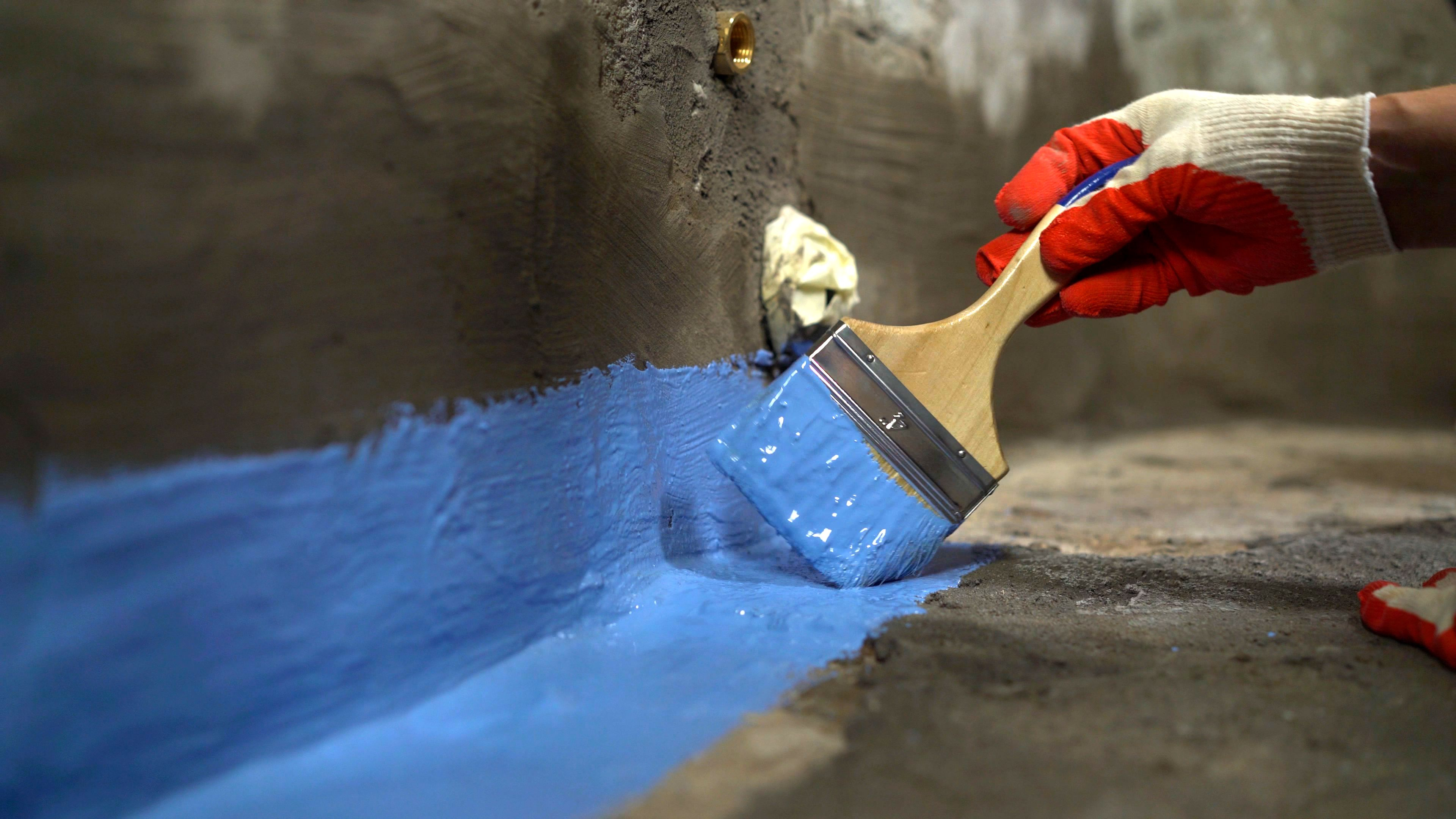
The least expensive basement waterproofing methods include grading soil away from your home, installing downspout extenders on your gutter system, and applying a waterproof paint on the interior of the foundation walls. Installing a French drain is a relatively inexpensive method if you do the work yourself, although it’s labor-intensive and can be challenging to install properly.
Preventative measures, such as maintaining drainage systems, installing sump pumps, inspecting roofs regularly, and crafting comprehensive emergency plans, can help mitigate future risks.
A plastic vapor barrier should completely cover your basement to prevent water from penetrating through the walls. This typically goes before installing insulation to prevent moisture from building up and becoming trapped on the inside of your insulation, where it can collect and lead to mold damage. Installing insulation after the vapor barrier allows for any moisture to exit the walls for better ventilation.
Yes. Water can penetrate through a concrete foundation wall. This can happen whether or not you have cracks, as concrete is a porous material. You’ll want to take steps to waterproof your basement or crawl space.
The primary downside to crawl space encapsulation is the high cost, which can be several thousand dollars. Additionally, the process can make future repairs more complicated by limiting access to plumbing and electrical wiring within the crawl space. Encapsulation also requires sealing off any vents, which can be a disadvantage for home designs that benefit from the airflow they provide. It's recommended to consult with a crawl space contractor to determine if the benefits outweigh these potential drawbacks for your specific home.
The Big Sandy, MT homeowners’ guide to basement waterproofing services
From average costs to expert advice, get all the answers you need to get your job done.
Need to fix basement water problems or safeguard your home from damage in the future? Use this basement waterproofing cost guide to budget appropriately.
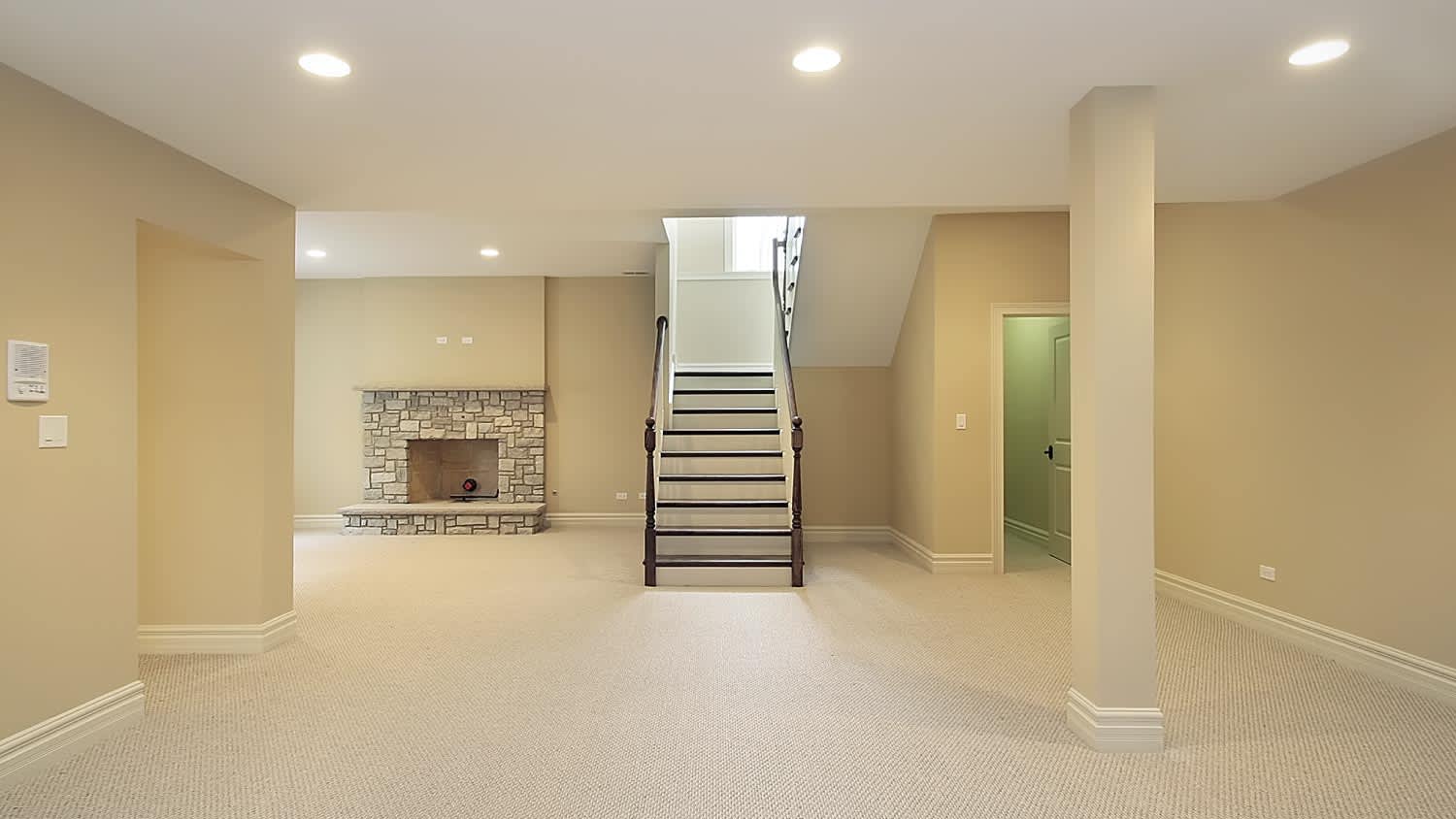
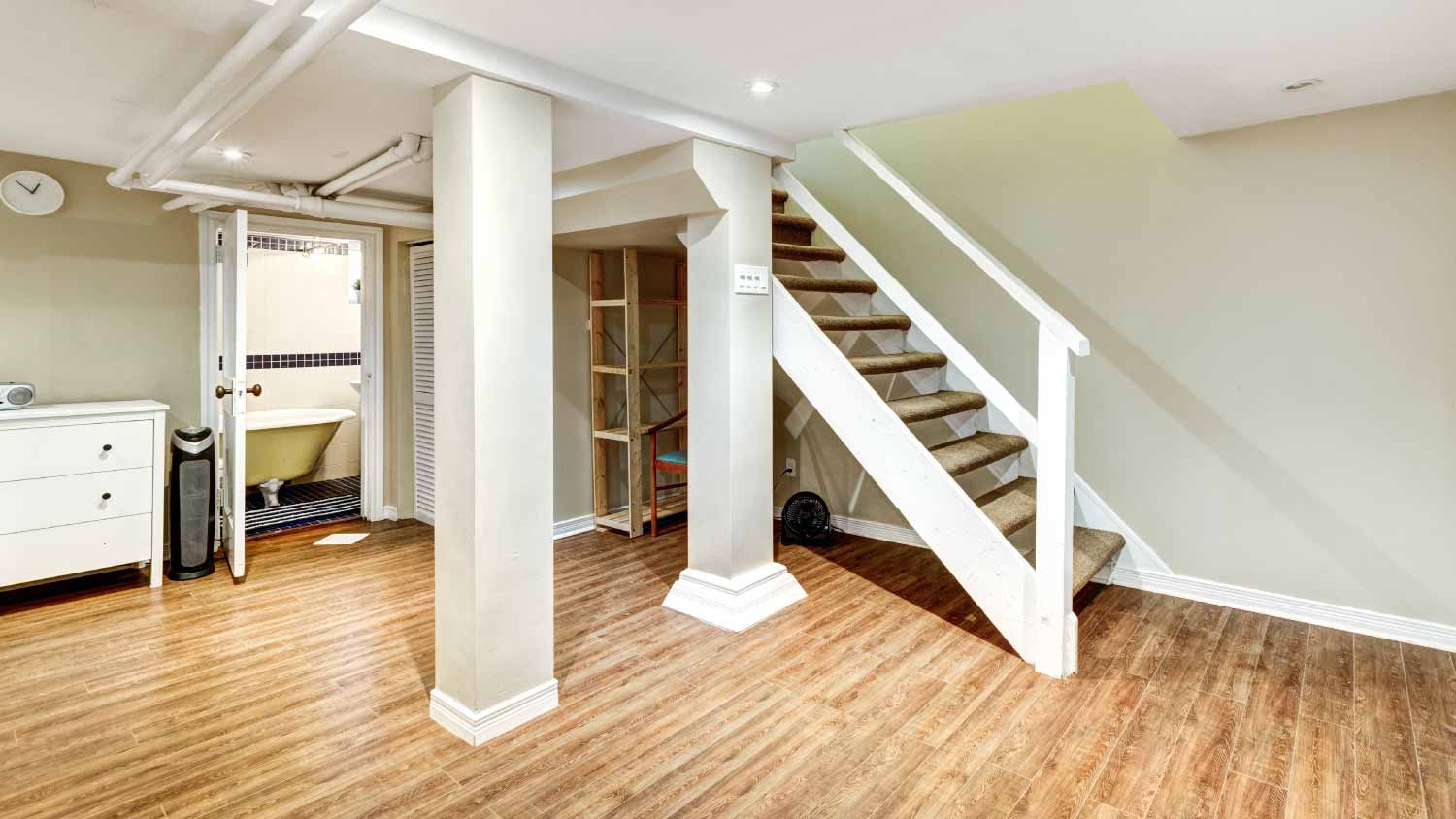
An unfinished basement has a lot of potential for a family room or guest suite. So how much does it cost to finish a basement? Read on for all cost factors.
Dealing with a damp basement? Follow these steps for DIY basement waterproofing to keep water and moisture out and boost your home’s energy efficiency.
Can’t seem to get rid of the moisture and mold in your basement? Learn why basements tend to hold moisture and how to get rid of moisture in the basement.