Driveway Sealcoating questions, answered by experts
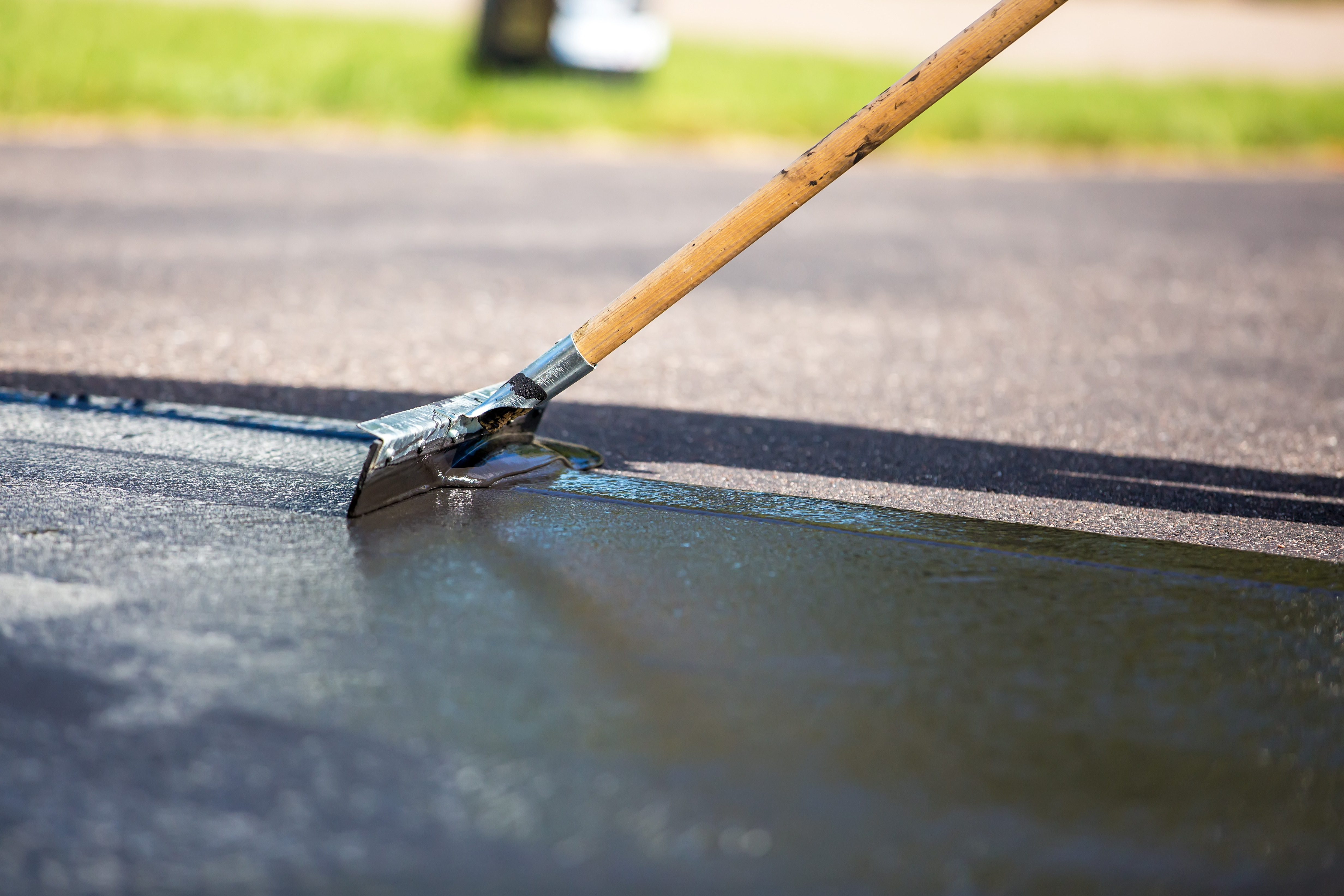
You should plan on sealing your driveway about once every five years, although you should plan to do it once every three years if your area experiences frequent rain or snow. Sealing your driveway protects it from moisture, UV rays, and chemicals from your car, like motor oil and antifreeze. If you find that your driveway stains easily or appears to be cracking or fading, you may want to schedule a sealing service regardless of when you last sealed it.
The best ways to increase the lifespan of your driveway are to carry out proper maintenance and get repairs done quickly. First, reseal your driveway every one to three years to protect it from the elements. If you start to notice significant cracks, hire a professional to diagnose the problem before it gets more serious. You can also use sand instead of salt when de-icing your driveway (since salt is corrosive) and clean your driveway annually using a pressure washer to keep it in tip-top shape.
Maintaining a driveway depends on its material. For concrete and asphalt, it's best to clean the surface thoroughly twice a year with a stiff broom and a pressure washer to remove accumulated dirt and debris. Sealing the driveway is crucial to protect it from water damage and freeze-thaw cycles. Before applying a sealant, pressure wash the surface to remove any loose sealant, dirt, or stains, as sealing over them will trap them. Any cracks or expansion joints should be filled with a flexible polyurethane caulk or asphalt sealer. In colder climates, use sand instead of salt for de-icing. Sand helps melt snow and ice without accelerating the freeze-thaw process, which can cause cracks.
Regular sealing, crack filling, and professional inspections help extend pavement lifespan and prevent costly repairs.
Whether you should resurface or replace your asphalt driveway heavily depends on its condition. If the foundation is solid and the damage is minor, resurfacing is your best bet because it’s more affordable and faster than replacing the driveway. But if your driveway has foundational problems and/or severe damage, like large, deep cracks and potholes, then it makes more sense to replace it.
The Baker, MT homeowners’ guide to driveway sealcoating
From average costs to expert advice, get all the answers you need to get your job done.
The cost of a tar and chip driveway falls between gravel and asphalt. Is this unique process the happy medium you've been looking for? Let's take a look.

The average driveway coating takes between 30 minutes and eight hours to dry, but weather and sealant type can influence the dry time. Read on to learn more.