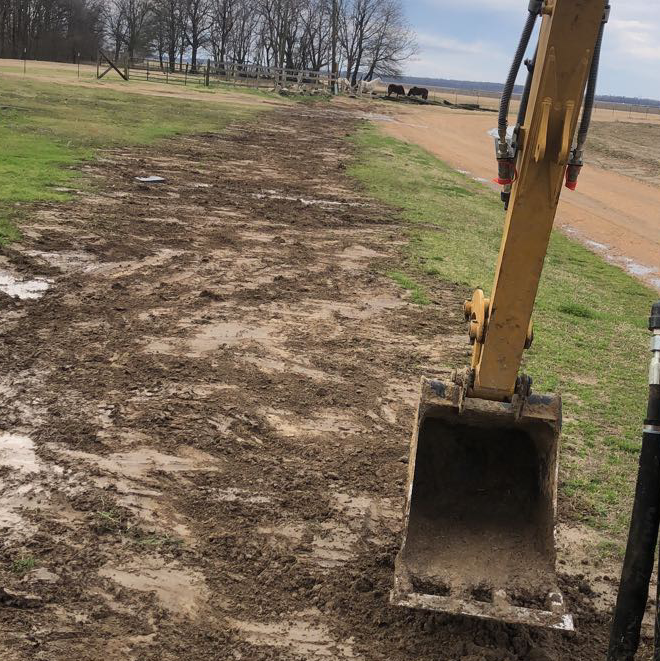
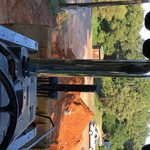
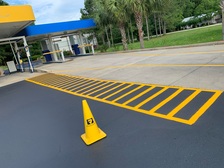
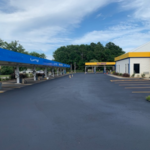
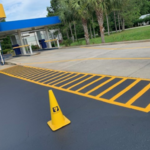
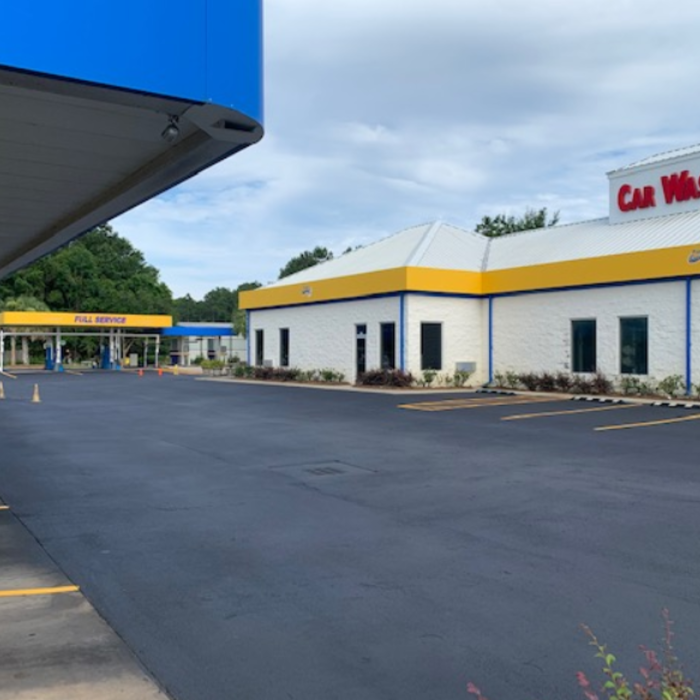
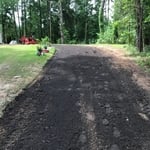
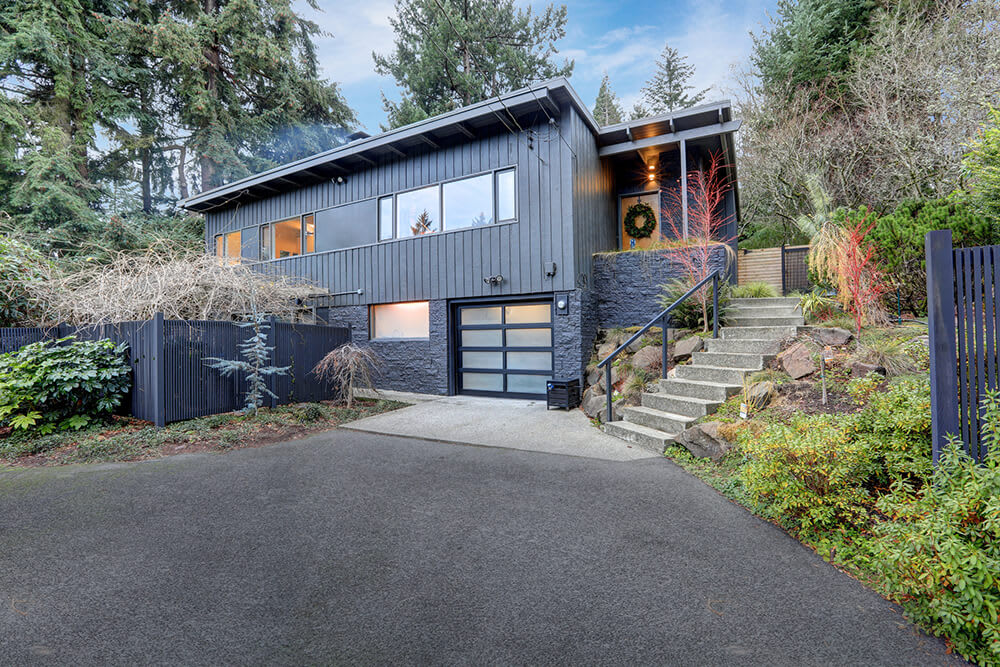
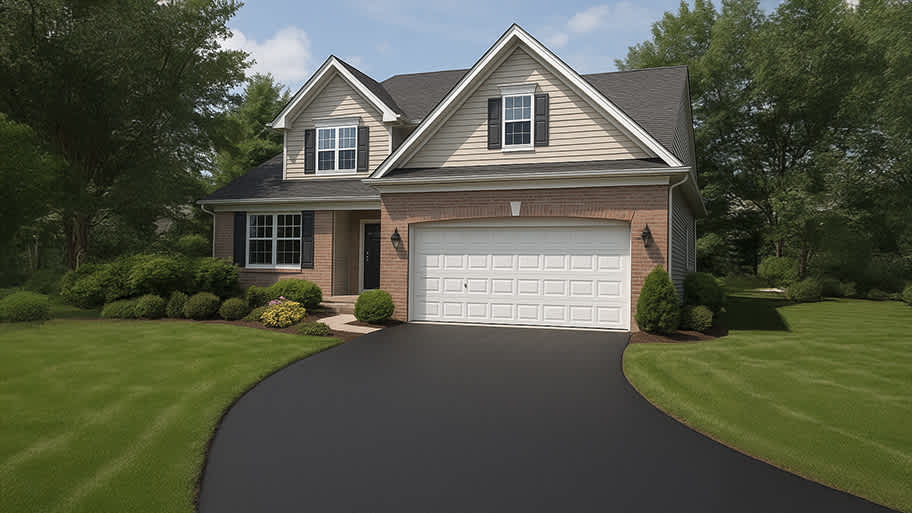
"Mike R was a delight to work with. Answered all calls and texts promptly, honest and experienced. His crew was fantastic. They were professional, courteous and hardworking. They had to adjust to using their equipment in a tight space and did it with ease. The job encountered an obstacle and Mike stuck to our agreed budget and fixed the problem. Such a pleasure to work with overall and the driveway looks great. Very happy customer"
"Wonderful. We had a contractor do us wrong on our roof two years ago. Jonathan and Brandy took the tin off and rebuilt all the braces and fixed it perfect. He and his crew did a wonderful job at a great price. I will call him for anything I need. He does great quality work."
If it can be done, we can do it. Home Mechanic Medic has been in business for over 25 years. We take extreme pride in every job big or small and will make sure each and every customer is satisfied before leaving the job.\n\n
We have over 4 years of experience in the business. Here at LLP Energy Services, we pride our company on reliability, great communication, integrity, and quality work. We are experts in our trade and will do our best to keep you as educated as we can on your particular task or project. We look forward to earning your business!\n\n
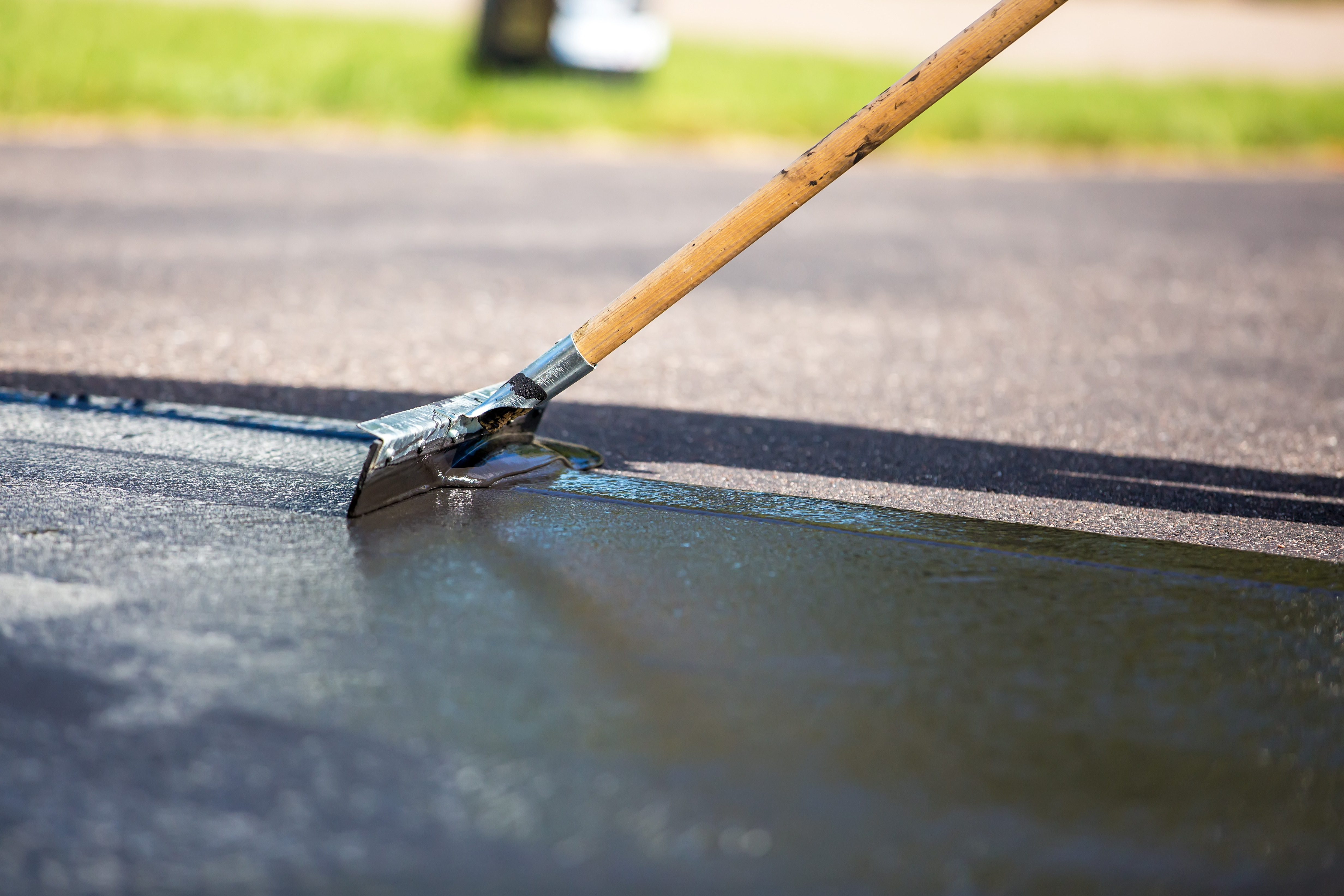
Driveway Sealcoating questions, answered by experts
While blacktop is a type of asphalt, the terms should not be used interchangeably, as not all asphalt qualifies as blacktop. The primary differences are in their composition, production process, and ideal applications. Blacktop contains more stone than other types of asphalt and is heated to a higher temperature during production—300°F or more—while hot-mix asphalt is heated to between 275°F and 300°F. The ratio of bitumen (a tar-like crude oil) is a key differentiator, though sources vary: some state blacktop has less bitumen, making it less durable, while others claim it has a higher ratio. Due to these differences, asphalt is generally more durable and better for high-traffic areas like highways and streets, while blacktop is more suitable for playgrounds and residential driveways. For a driveway project, it is best to consult a professional to determine the most appropriate material.
Proper surface prep and application techniques by pros minimize peeling, ensuring longevity.
Asphalt dries and cures best between 50 and 85 degrees Fahrenheit. This range allows moisture to evaporate quickly without causing the asphalt to cool too fast, which can negatively affect the drying process. However, keep in mind that other weather conditions can also affect curing and drying times, such as precipitation and humidity.
You shouldn’t directly paint over an oil stain on your asphalt driveway. While painting over might visually conceal the stain, the oil will continue to damage the driveway. Once you’ve noticed the oil stain, it’s important to thoroughly remove it within the next few months since oil stains only take six months before they begin to damage the structure of your asphalt driveway.
The best time to seal a driveway is during periods of mild, dry weather, typically from late spring through early fall. For the sealant to bond and cure properly, it needs warm conditions. Avoid sealing in the winter when temperatures are too low.
For optimal results, follow these guidelines:
Temperature: Apply sealant when air and surface temperatures are consistently above a minimum of 50-55°F. The ideal range is often between 60°F and 80°F. Avoid applying sealer in extreme heat (above 90-95°F), as it can cause the sealant to dry too quickly and improperly.
Weather: Choose a time with no rain in the forecast for at least 24 to 48 hours after application. Rain can wash away the sealant before it has fully cured.
Timing and Cost: While spring and fall offer ideal temperatures, they are also the busiest seasons for driveway sealing companies, which may lead to higher costs due to increased demand. The best specific month will depend on your local climate.
The Wesson, MS homeowners’ guide to driveway sealcoating
From average costs to expert advice, get all the answers you need to get your job done.
Driveway extensions can provide valuable parking and recreation space and add to the value of your home on resale. Find out how much driveway extensions cost.
Learn how to find a top-rated asphalt driveway sealing pro by checking credentials and asking the right questions to ensure your pavement is protected.