Hi my name is Vance, and I pride myself on reliability, great communication, integrity, and quality work. I strongly believe in giving my absolute best in all of the projects no matter how big or small. I am an expert in my trade and will always keep you educated on your particular task or project. I look forward to earning your business!
We're a locally owned and operated company that values honesty, integrity and treats your home as if it were our own. We offer a variety of home testing services that are customizable to each individual project. We specialize in Toxics Testing, but also offer a wide range of expertise for a variety of other projects. We pride ourselves on the quality of our work, as well as our commitment to outstanding results. We look forward to building lasting relationships and guarantee your satisfaction!
I’m well experienced and firmly believe in taken pride in every thing I do and customer satisfaction is always high priority along with fair competition prices
No, but it’s common that they do. Gravity furnaces weren’t terribly efficient so wrapping either the ductwork in asbestos, the furnace itself, or both, was something done regularly. This allowed the system to retain more heat. At the time, this greatly enhanced the efficiency of the furnaces but it wasn’t until later that we became aware of just how carcinogenic and dangerous asbestos could be.
Vermiculite insulation can be hazardous if it contains asbestos. Asbestos fibers, when released into the air and inhaled, can pose significant health risks. The EPA recommends leaving vermiculite insulation undisturbed to avoid potential exposure. It is crucial to have vermiculite insulation tested by a certified professional to determine if it contains asbestos. If asbestos is present, proper precautions should be taken, including containment or removal by licensed abatement professionals.
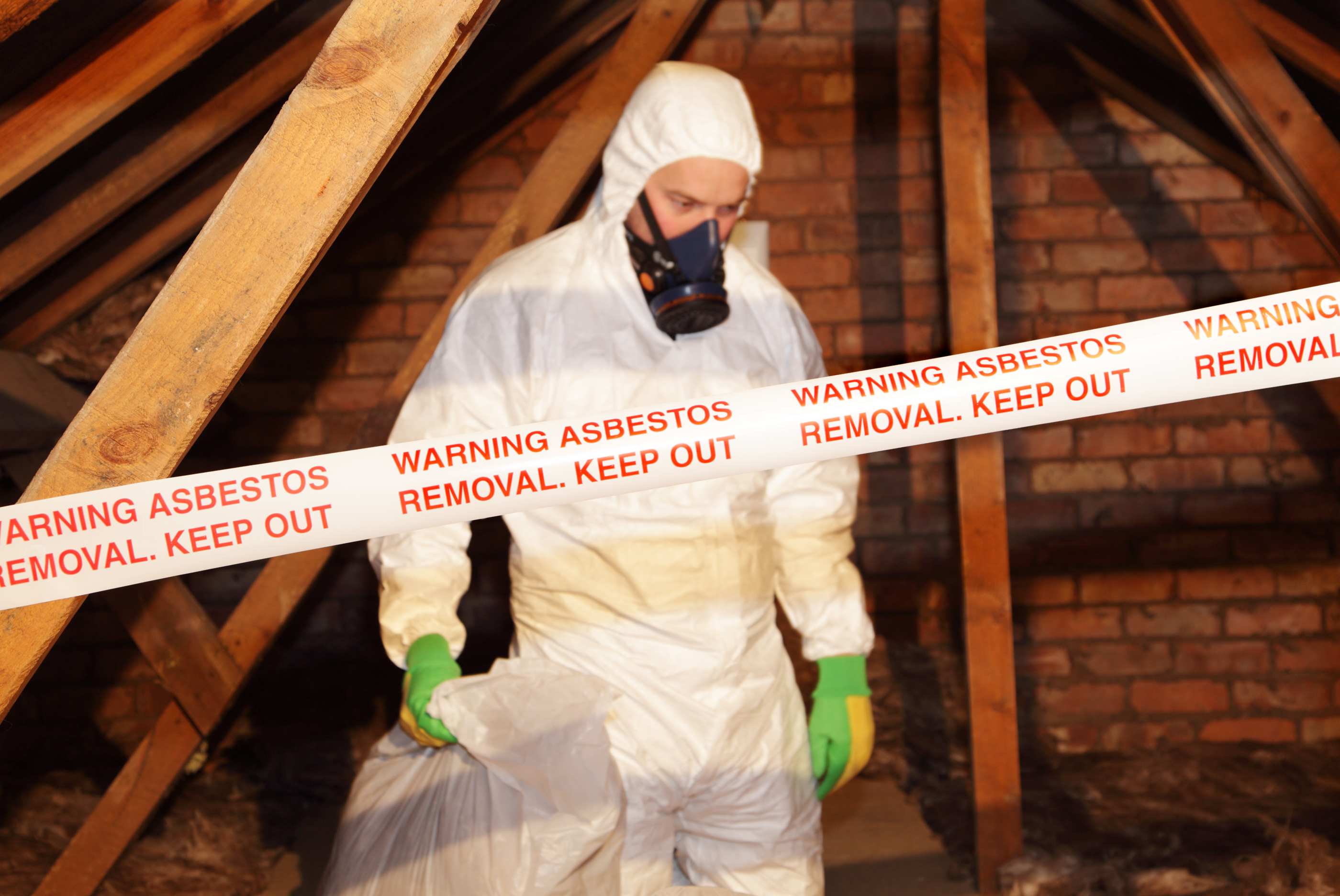
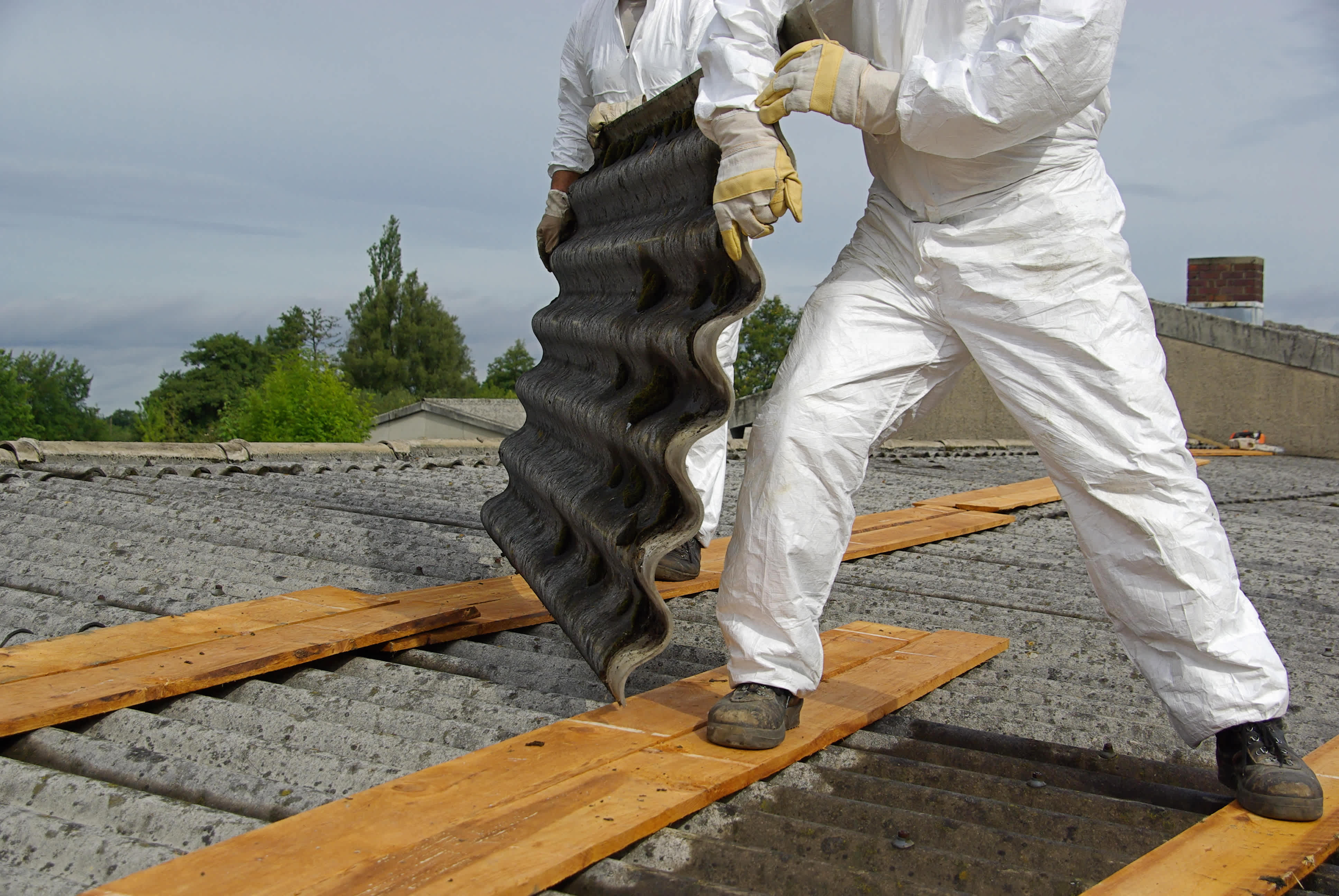
It is strongly advised not to touch or disturb asbestos-containing materials unless necessary. Asbestos fibers can be released into the air when the material is damaged or disturbed, posing serious health risks if inhaled. It is best to leave any handling of asbestos to trained professionals who can remove the asbestos safely.
If you think you’ve touched asbestos, do not put on a mask. This is important because you may take the asbestos fibers on your hands on trap them in the mask. Make your way to a sink and wash your hands thoroughly. Remove any clothes and seal them in a bag, then take a shower. Call your doctor and let them know you’ve been exposed to asbestos, and make sure you see them as soon as possible. The reason you keep the clothes is in case anyone wants to confirm the presence of asbestos.
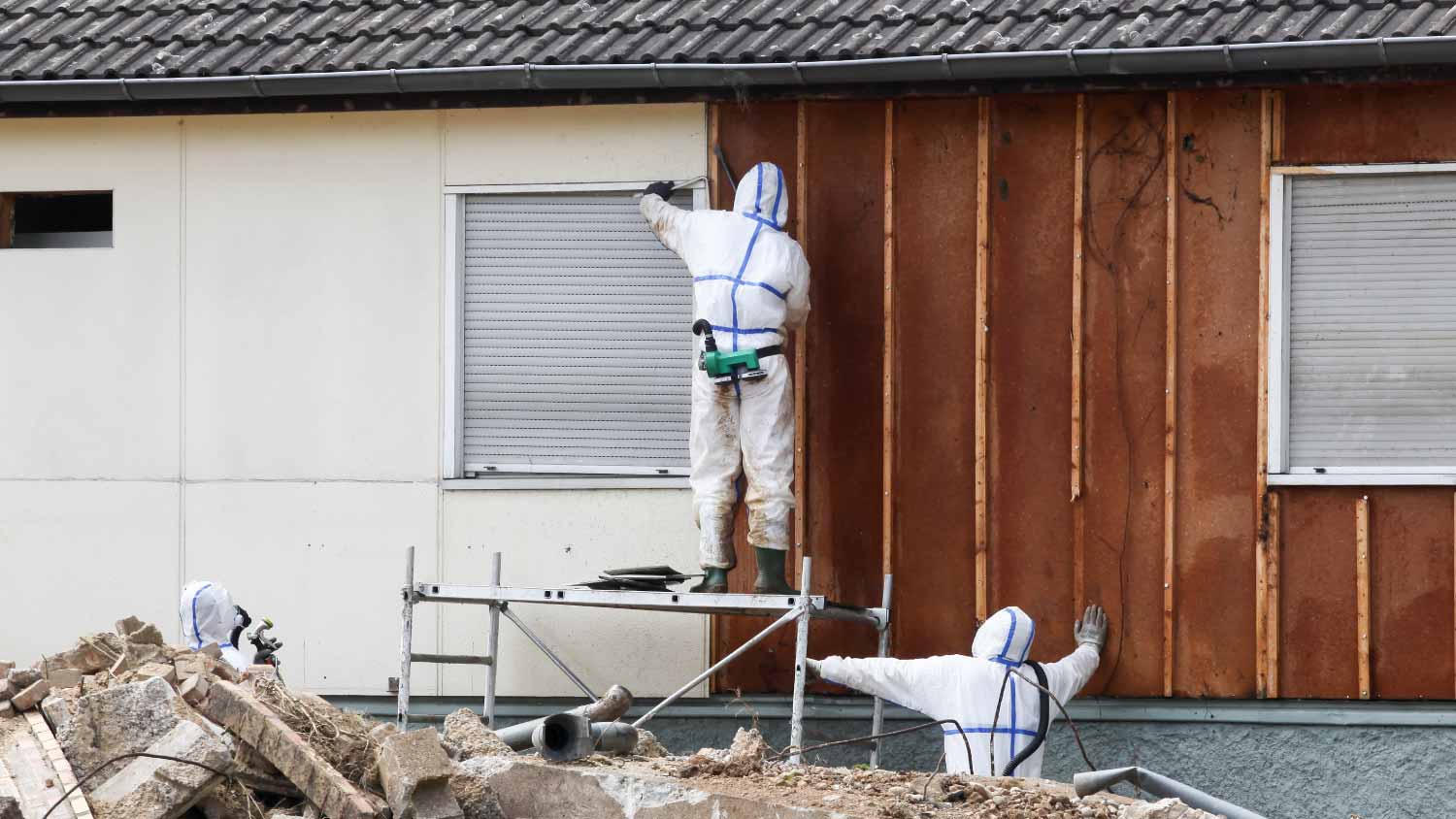
It is not recommended to drill into asbestos siding because doing so can release hazardous asbestos fibers into the air. The safest way to handle asbestos-containing materials is to have a professional remove or encapsulate them.
The Walnut, MS homeowners’ guide to asbestos removal services
From average costs to expert advice, get all the answers you need to get your job done.
Asbestos removal costs vary based on where it’s located, the size of the job, and if there is any underlying damage. Learn what has the biggest effect on the cost.
Discover the cost to remove asbestos siding, including average prices, key cost factors, and tips to help homeowners plan a safe and budget-friendly project.
Learn how to hire a qualified asbestos siding removal company. Discover essential questions to ask, credentials to check, and steps to ensure safe removal.