


Top-rated masons.

Get matched with top masons in Seminary, MS

Enter your zip and get matched with up to 5 pros

Need a pro for your masonry work project in Seminary, MS?

Select your specific project to find the pro for you.

Find Masons in Seminary

Dyer Details and lawn care
New to Angi
Basement Drainage Channels - Repair

Serving Seminary, MS and surrounding areas

Approved

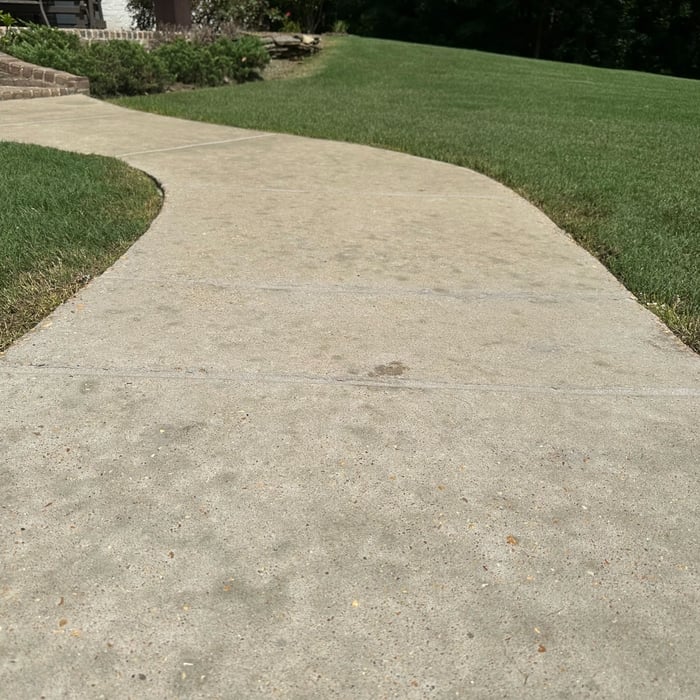
My name is Porsche Dyer, and I own a local lawn care, power washing, and detailing business. I take pride in providing dependable, quality work at fair prices and treat every customer’s property as if it were my own.\nLawn Care & Property Maintenance\nI offer lawn mowing, weed eating, edging, yard cleanups, vine and brush removal, hedge and limb trimming, leaf and debris cleanup, and routine property maintenance. Whether you need a one-time cleanup or recurring lawn service, I’m here to help keep your property looking its best.\nPower Washing\nI provide professional power washing for houses, carports, driveways, sidewalks, patios, decks, fences, sheds, and other outdoor surfaces. This is a great way to remove built-up dirt, mildew, algae, and grime while restoring your property’s curb appeal.\nDetailing Services\nI offer professional interior and exterior detailing for cars, trucks, SUVs, motorcycles, four-wheelers, side-by-sides, trailers, campers, and more.

...
Showing 1-10 of 93
Masonry questions, answered by experts

The cost of masonry work varies widely depending on the type of masonry along with common cost factors like size, complexity, location, and season. Most exterior masonry work done in freezing temperatures tends to cost more because of the preparation and protection involved to keep the masonry from freezing before the mortar cures properly. The average price ranges per project or square foot for different types of masonry include:

  • Brick wall (fence, garden wall, etc.): $10–$45 per square foot

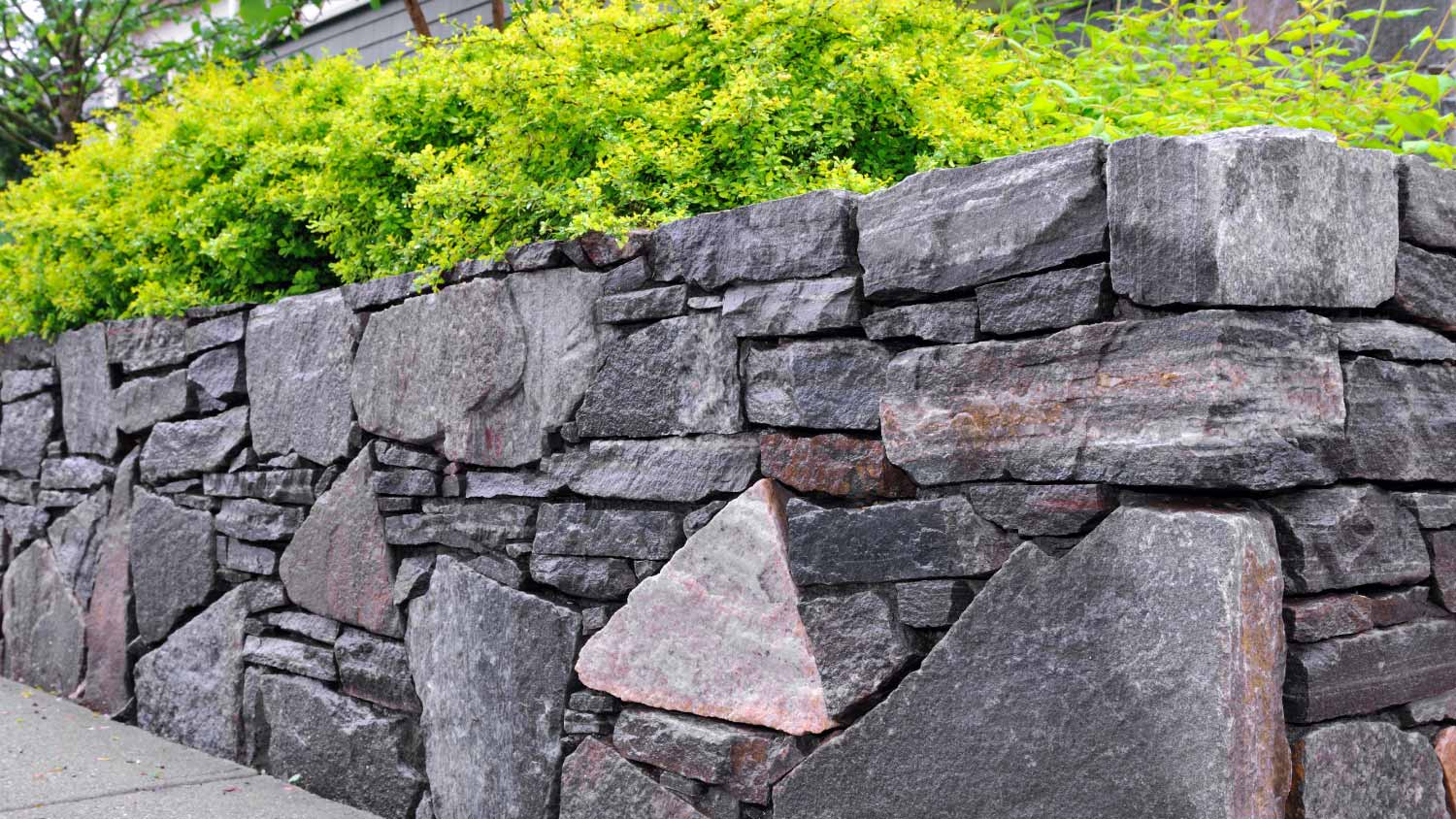
  • Natural stone wall: $40–$110 per square foot

  • Manufactured stone veneer: $20–$40 per square foot

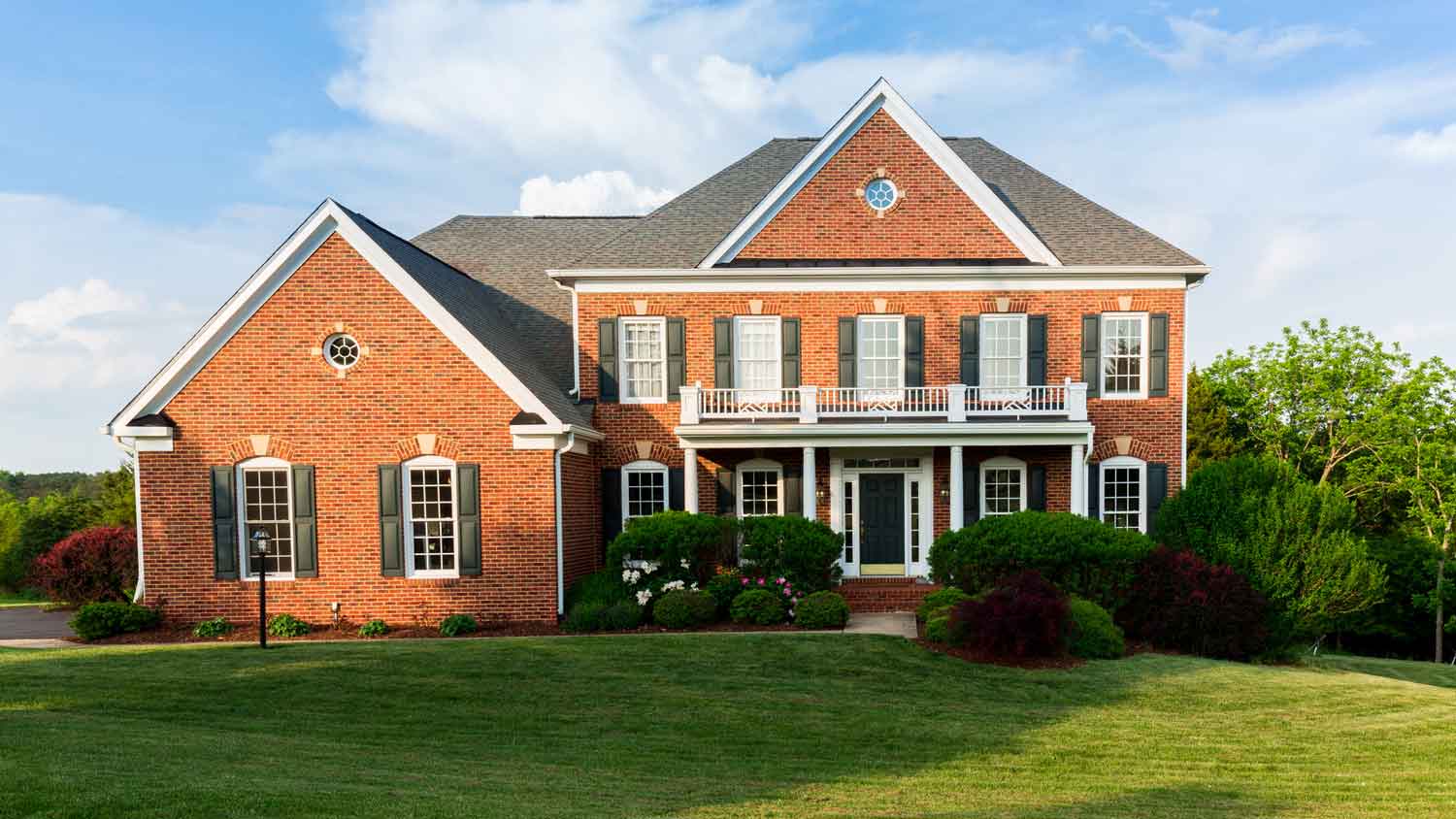
  • Brick home exterior: $10–$30 per square foot

  • Brick siding: $3–$10 per square foot

  • Stone siding: $35–$50 per square foot

  • Brick step replacement: $20–$30 per square foot

  • Brick wall repair: $20–$40 per square foot

  • Chimney repairs: $160–$750 per project

  • Tuckpointing: $5–$25 per square foot

When painting brick, each application method has pros and cons. Spraying is much faster but may not penetrate the porous surface of the bricks. Rolling is effective for getting paint into the bricks but doesn't work as well on the mortar. Brushing is very time-consuming and also won't penetrate beyond the surface. For the best results, a combination of spraying and rolling is often recommended. If you use a roller, choose a thick option (at least a half-inch) and ensure the paint gets into all the crevices for even coverage.

Not all cracks in brick indicate foundation problems. For instance, small hairline cracks can occur as a new construction settles. However, larger cracks are often a sign of a more severe issue. Indicators of a potential foundation problem include long horizontal cracks, "stair-step" cracks, vertical cracks that appear indoors, or any crack that widens at the top. Other signs of structural damage to look for are uneven floors and doors or windows that stick. These issues could be caused by problems with the soil beneath the home or an overgrown tree.

No, you shouldn’t lay bricks directly on dirt. While it might seem like a shortcut, it leads to a patio that shifts, sinks, and becomes a maintenance headache. Dirt expands, contracts, and erodes—none of which mix well with long-term stability. To build something that lasts, excavate the topsoil, compact a layer of crushed gravel, and add a coarse sand-setting bed. This layered base gives your bricks proper support, allows drainage, and helps block weeds from creeping through. Cutting corners here just means you’ll spend more time—and money—repairing your brick patio later.

Yes, it is normal to see some minor hairline cracks in brick or mortar over time, often due to natural foundation settling. However, not all cracks are harmless. You should be concerned and contact a masonry professional for an inspection if you notice cracks that are getting wider or longer, or if new ones keep appearing. Other serious warning signs that can indicate significant structural or foundation damage include large vertical cracks (especially those that widen as they go up), stair-step cracks, L-shaped cracks, and deep horizontal cracks. Factors like temperature changes, moisture, and structural loading can also cause cracks to form or worsen.

The Seminary, MS homeowners’ guide to masonry services

From average costs to expert advice, get all the answers you need to get your job done.