



Pod's Lawn And Landscape LLC
Lawn and Garden Sprinkler System - Repair
Serving Saltillo, MS and surrounding areas
Approved
Free estimates
Emergency services offered
Small jobs welcome
"THEY DID A GREAT JOB"


3 neighbors recently requested a quote
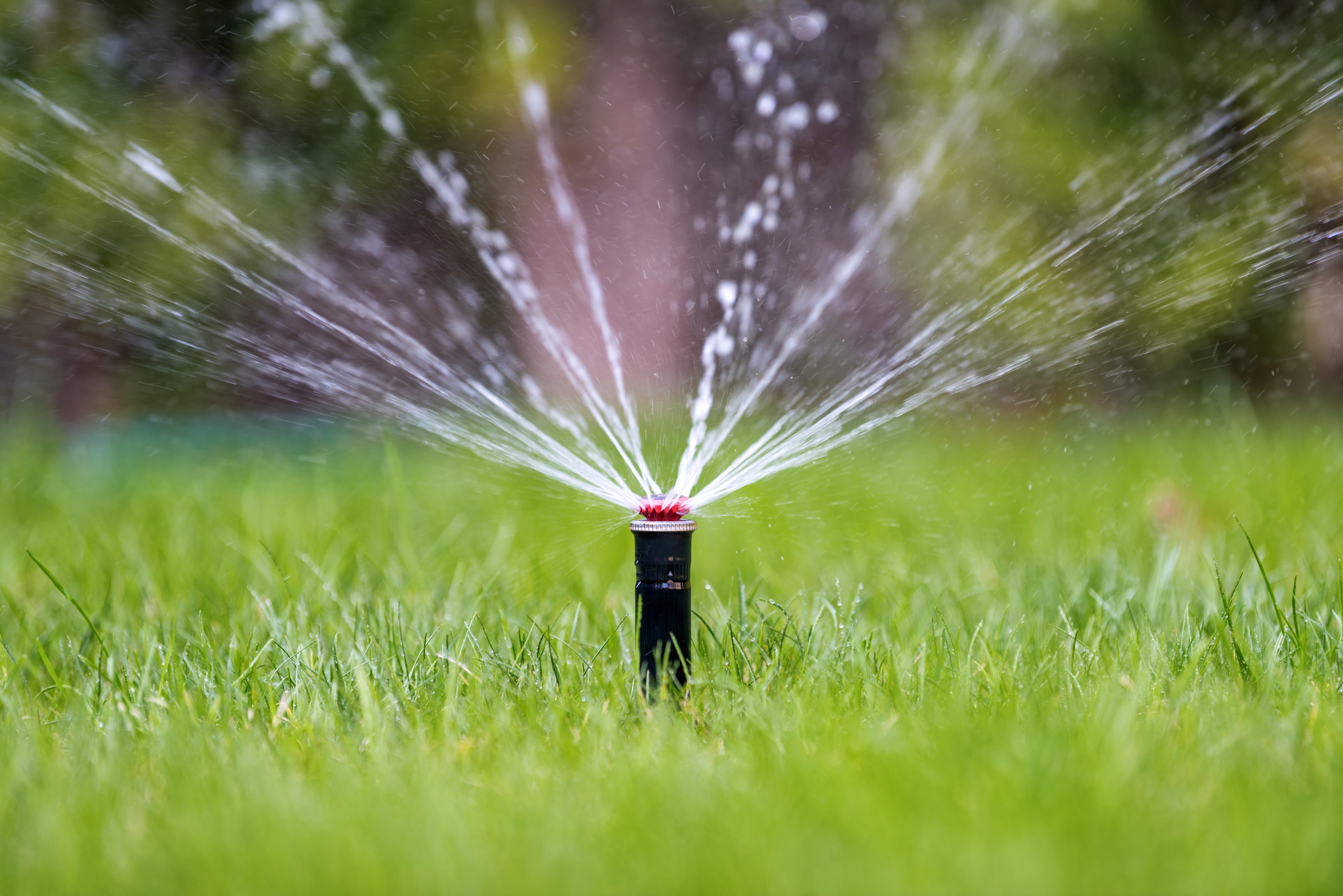
*The Angi rating for Lawn Irrigation companies in Saltillo, MS is a rating based on verified reviews from our community of homeowners who have used these pros to meet their Lawn Irrigation needs.
*The HomeAdvisor rating for Lawn Irrigation companies in Saltillo, MS is a rating based on verified reviews from our community of homeowners who have used these pros to meet their Lawn Irrigation needs.
Last update on June 15, 2026
Serving Saltillo, MS and surrounding areas
Approved
Free estimates
Emergency services offered
Small jobs welcome
"THEY DID A GREAT JOB"

Serving Saltillo, MS and surrounding areas
Approved
I run my business on Integrity,hardwork,and passion!

Serving Saltillo, MS and surrounding areas
Approved
Free estimates
Emergency services offered
Warranties offered
Me and my company enjoy helping others and seeing smiles on customers faces. We do all types of work for residential and commercial. Feel free to explain to us what’s needing done and we will be glad to tell you how we can help you.
Serving Saltillo, MS and surrounding areas
In business since 2018
Free estimates
"I am very pleased with the work BG’s did for us. I told Gary that my lawn had overgrown since our last man moved away. He came out promptly and did his assessment and was very fair with his pricing. I decided on a major cleanup to start and then biweekly Maintanence of the lawn. The cleanup was excellent which included trimming cutting and blowing. They also do shrubbery day small trees. As a bonus, they even hauled away an old fridge I had in the garage! I highly recommend BG’s Lawn Care. They are friendly and customer service oriented. I am looking forward to working with them on future projects. Philip M"

Serving Saltillo, MS and surrounding areas
In business since 2003
Free estimates
"Wow! He came on the 4th of July to fix the problem. Not expecting this kind of service!"




Serving Saltillo, MS and surrounding areas
In business since 1993
Free estimates
Credit card accepted
"Did what I asked of them and did a good job."
Serving Saltillo, MS and surrounding areas
In business since 2000
Free estimates
Credit card accepted
"Was supposed to get back to me with some pricing for some additional work and he never did. Nice guy but it didn't seem like he wants any more of my business."


+13

Serving Saltillo, MS and surrounding areas
Free estimates
Emergency services offered
Credit card accepted
"Excellent. Justin works hard to please customers. He is respectful, thoughtful, cheerful, kind, goes the extra mile. Very fair prices and does more than expected. Hard to find people like him these days."


+27

Serving Saltillo, MS and surrounding areas
In business since 2007
Free estimates
"He does good work! He's just a good family man and hard working guy . He does a wide variety of work. I would recommend."


Serving Saltillo, MS and surrounding areas
In business since 2022
Free estimates
Credit card accepted
"Work was done efficient and turned out great, very respectful owner of the company and so are his guys!"
From average costs to expert advice, get all the answers you need to get your job done.
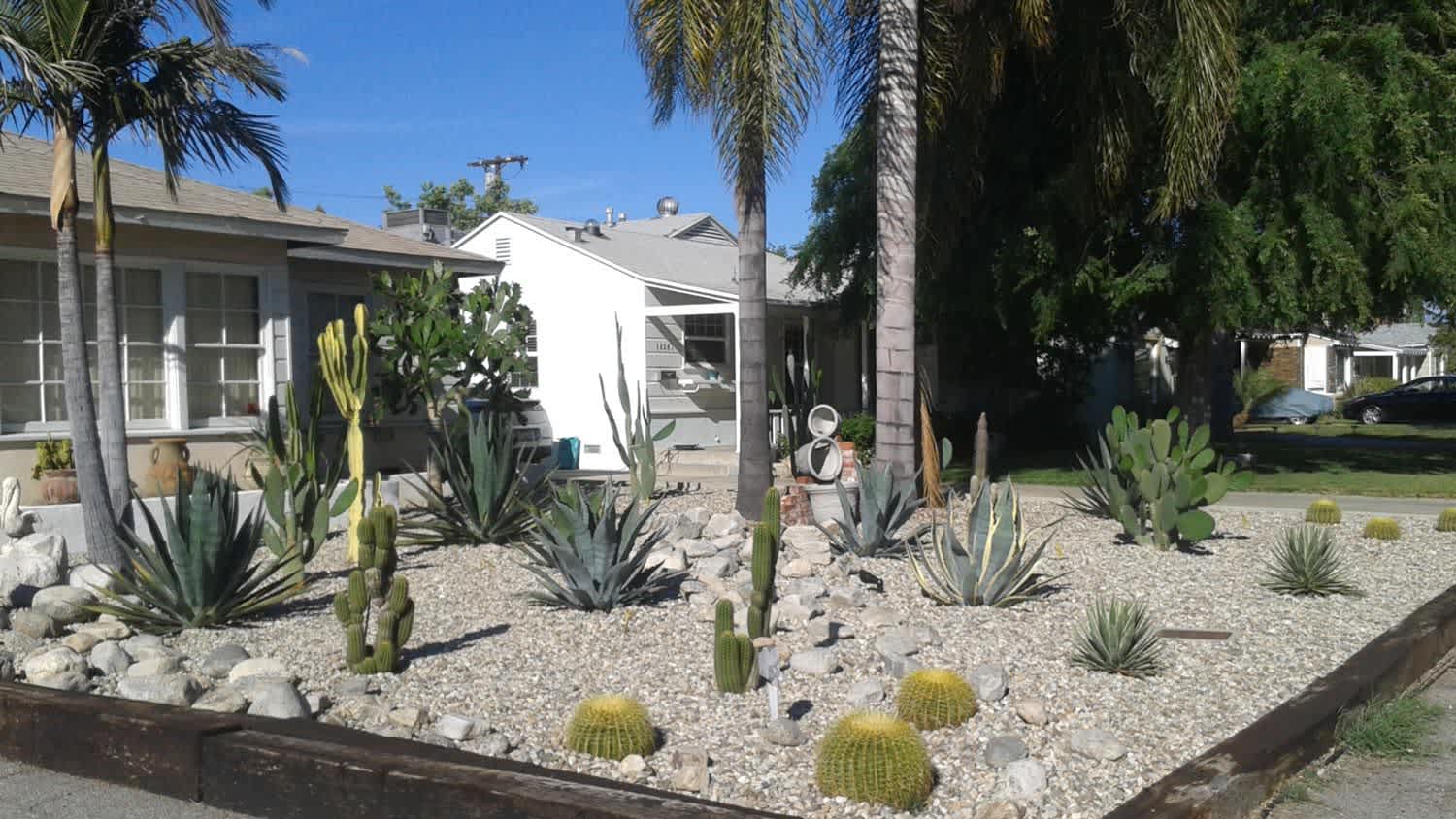
If you want to save money and help the environment, there are many ways to conserve water outdoors. These tips can help you start.
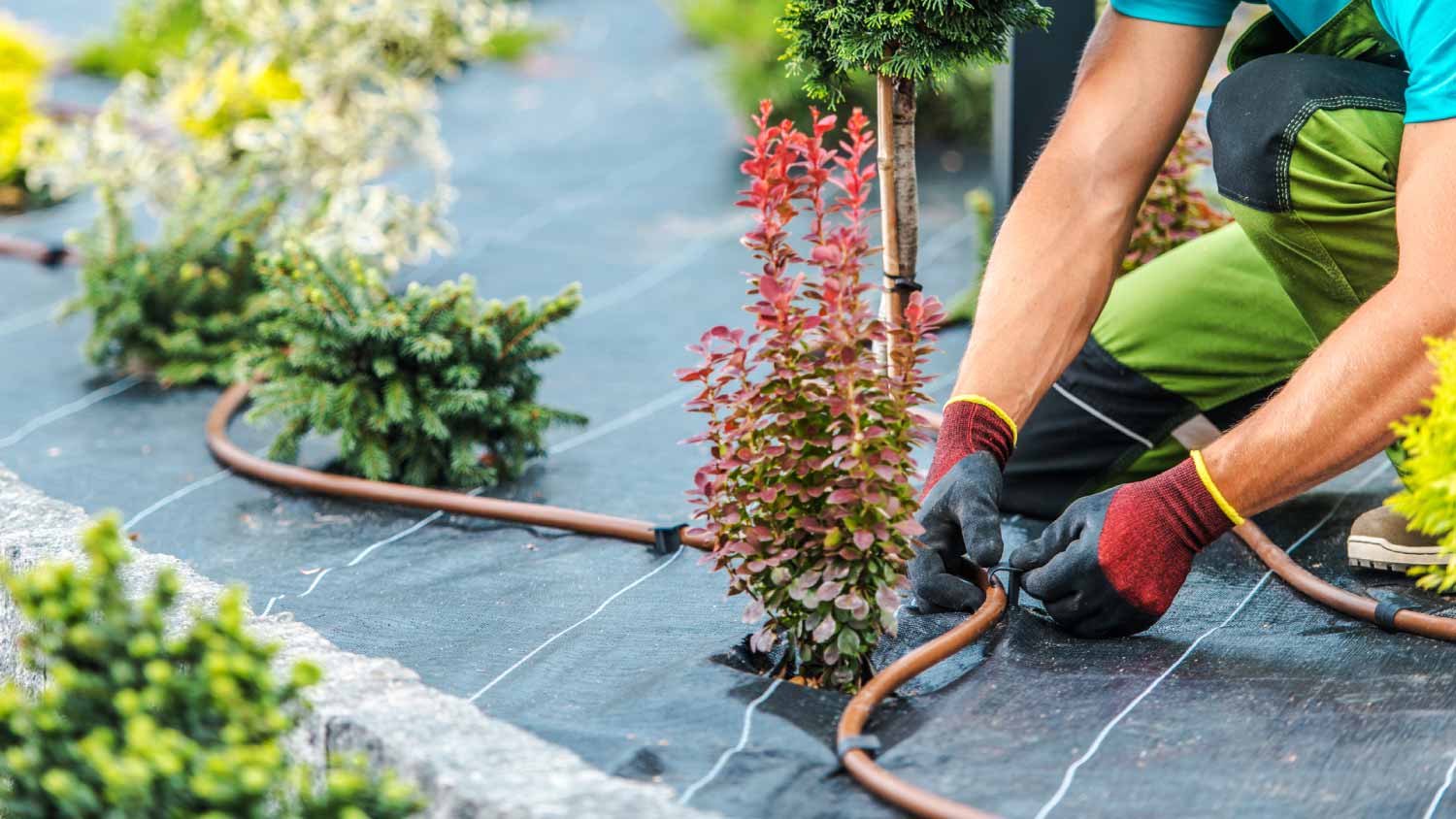
Need an effective solution for watering your garden? Here are four types of drip irrigation systems that can help you nurture your plants to perfection.

Droughts can cause lasting damage to lawns. Keep your lawn alive and well by following these tips on how to save your lawn during a drought.
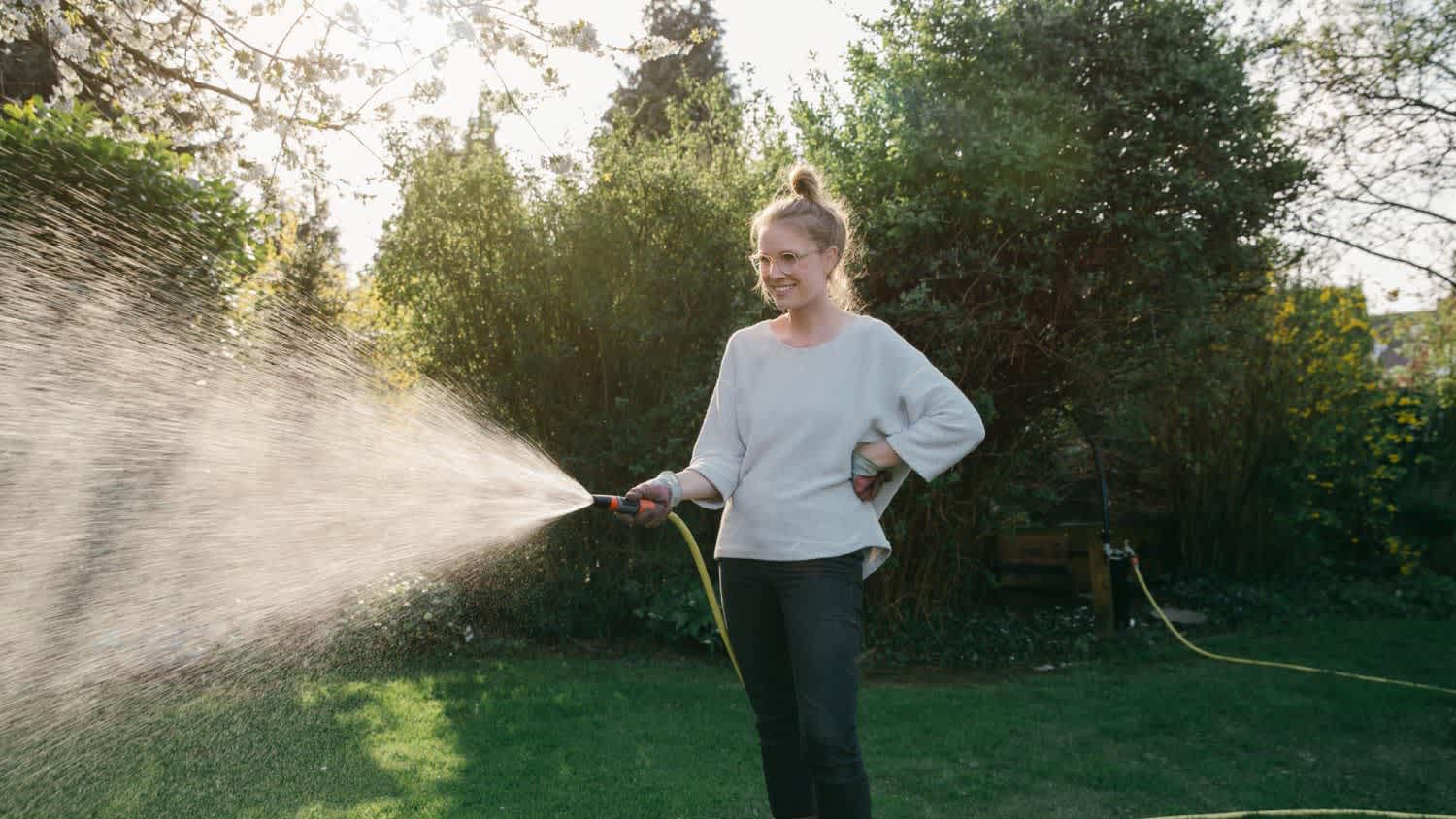
Keep your lawn and garden lush and healthy without wasting water with our expert irrigation tips, from when to water, to water conservation ideas.
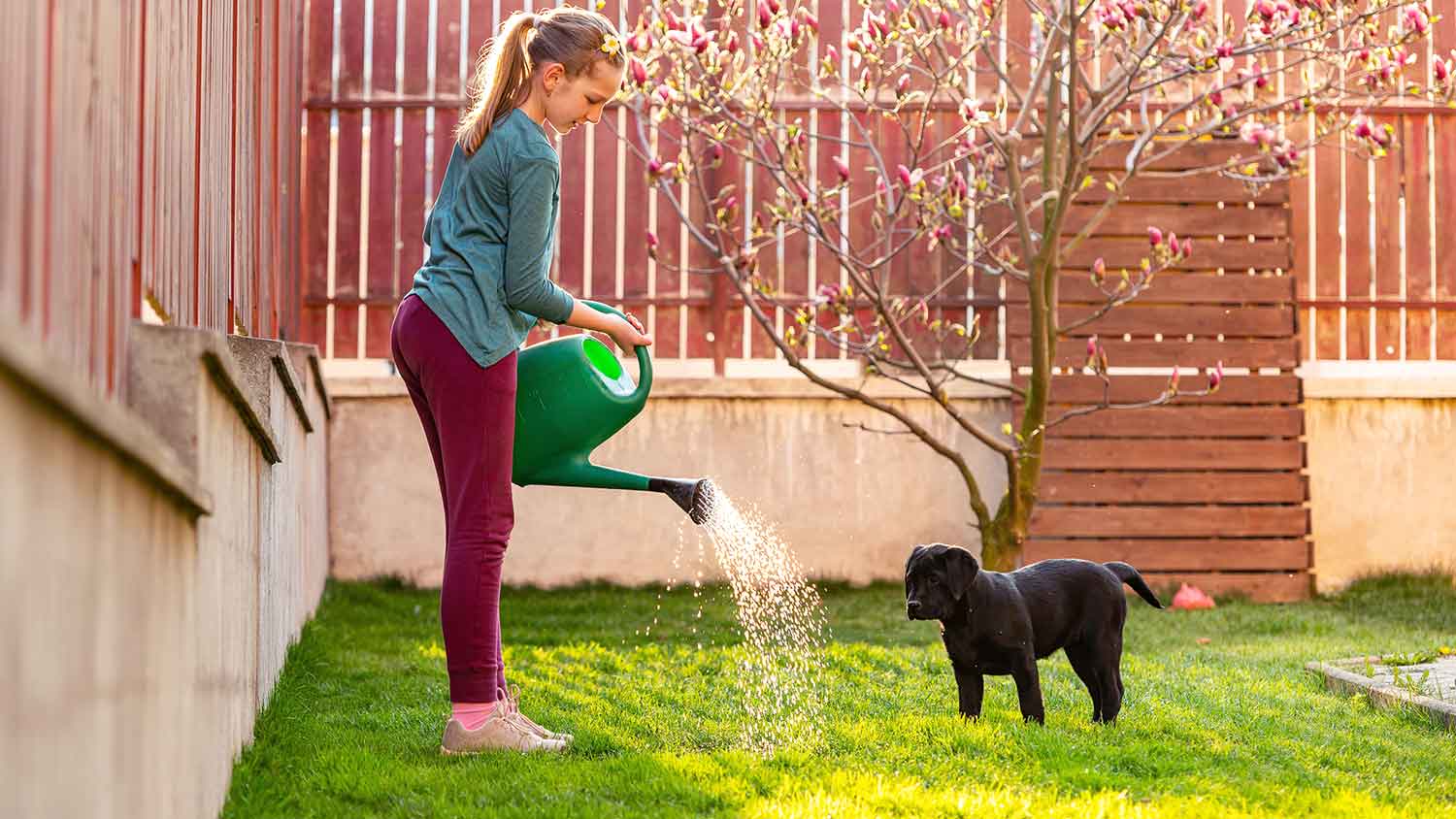
Can you keep your lawn healthy without a costly irrigation system? Absolutely. Learn the best way to water a lawn without a sprinkler system with this guide.
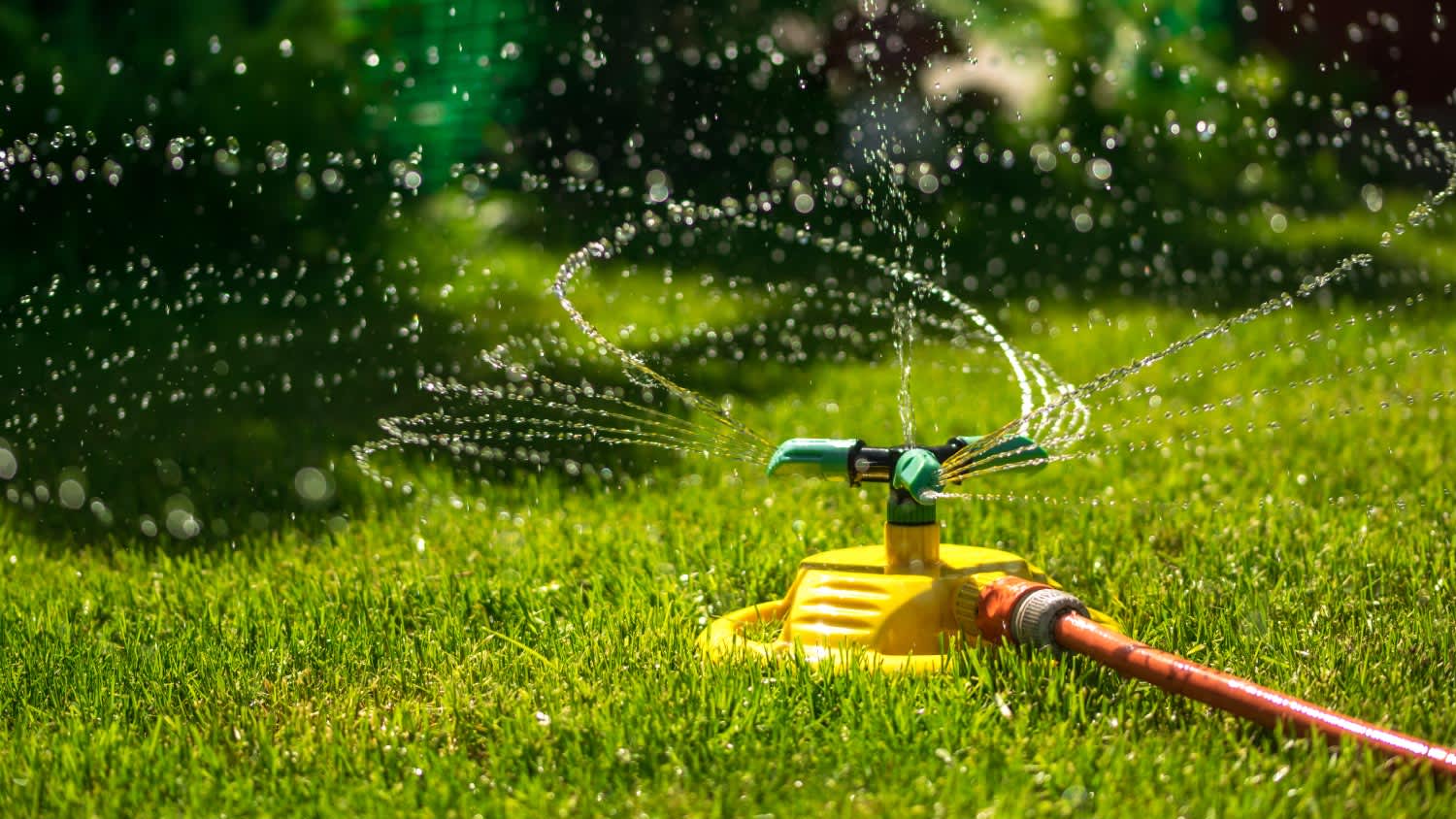
Find out if you're losing money with these top lawn irrigation mistakes. Get the lowdown on how to optimize your lawn irrigation and save some cash.