



Top-rated concrete resurfacing pros.

Get matched with top concrete resurfacing pros in Myrtle, MS

Enter your zip and get matched with up to 5 pros

Need a pro for your concrete resurfacing project in Myrtle, MS?

Select your specific project to find the pro for you.

Find Concrete resurfacing pros in Myrtle

Avatar for Extreme Concrete
Extreme Concrete
5.0(
2
)
Concrete Flatwork - Repair & Resurface

Serving Myrtle, MS and surrounding areas

Approved

In business since 2017

Free estimates

Credit card accepted

At Extreme Concrete, we bring years of experience to the table and look forward to delivering expertise to your doorstep. We are proud servants of our community and look forward to working with you.

2 neighbors recently requested a quote
Recommended by100%of homeowners
Showing 1-10 of 25
Concrete Resurfacing questions, answered by experts

A layer of exposed aggregate concrete should be 1 to 2 inches thick if you’re installing it on top of existing concrete. If you’re pouring a new slab with the finish, slab thickness will depend on the application. Exposed aggregate concrete driveways should be 4 to 6 inches thick in most cases or 8 to 12 inches for commercial vehicles. Sidewalks, patios, and walkways should be 4 inches thick.

Concrete blemishes such as chipped steps or small cracks are fixable with patching. For bigger jobs, including driveway repair and cracks wider than a 1/4 of an inch, patches will only serve as a temporary fix. Resurfacing is ideal when the surface is showing more widespread wear—like if it’s pitted, rough, or has lots of cracks. Resurfacing gives your concrete a fresh, like-new appearance without needing a full replacement.

When the concrete is severely cracked, sinking, or otherwise structurally unsound, replacing it might be your best option. Replacement ensures the safety and longevity of the surface in this case.

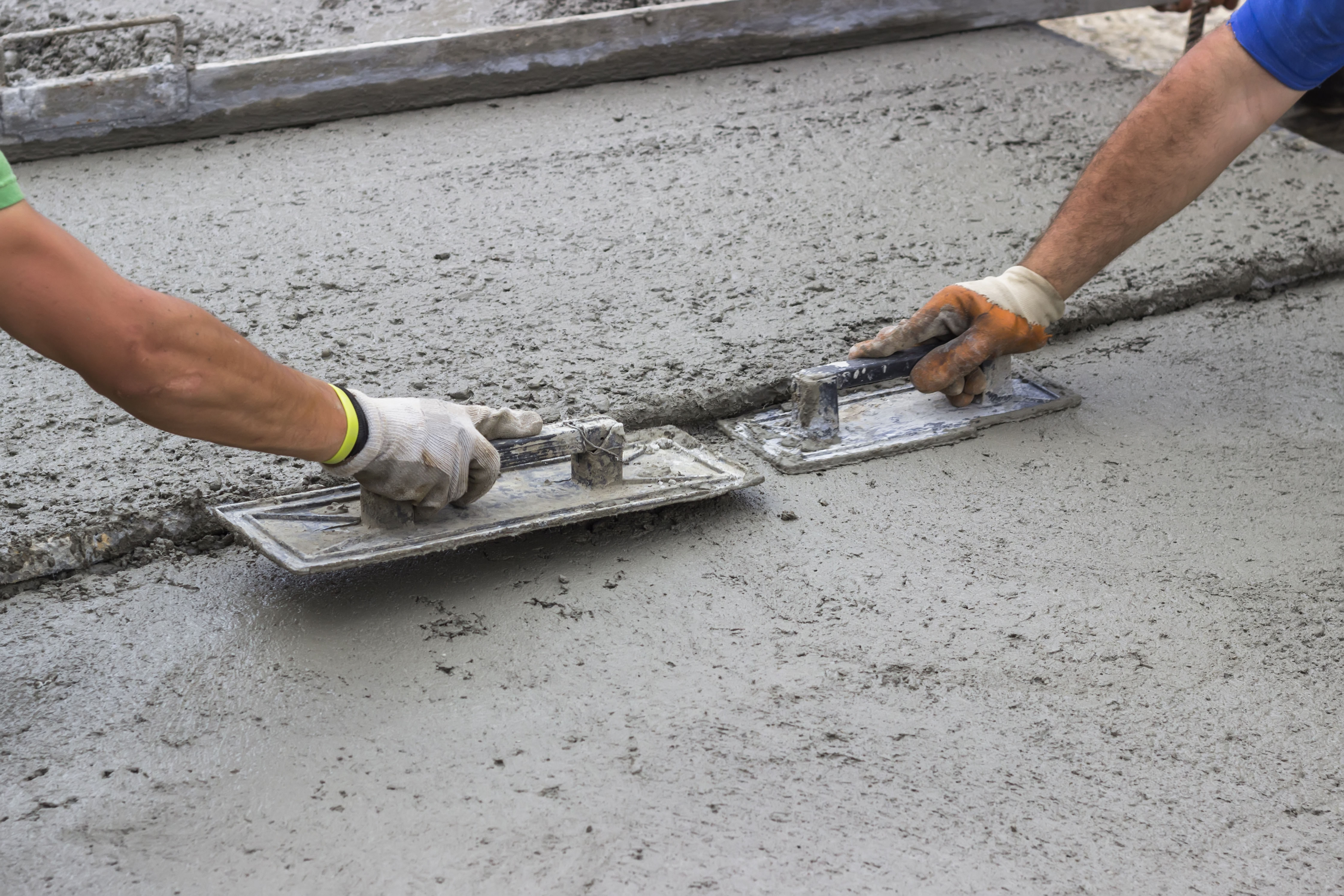
Concrete resurfacing and concrete overlay are terms often used interchangeably to describe the process of applying a new, thin layer of pre-blended concrete over an existing slab. This process enhances the durability and appearance of the concrete, giving it a fresh look without the high cost of a full replacement. The new layer is typically between 1/4-inch and 1-inch thick, significantly less than the 4 inches required for a new slab, and can be stamped, colored, or textured for a custom finish.

While the terms are often considered the same, their meaning can sometimes vary by contractor. Some may use "overlay" to describe a thicker application that adds structural integrity, while "resurfacing" might refer to a thinner layer intended for cosmetic upgrades. Other common names for this process include concrete restoration, concrete refinishing, and concrete rejuvenation.

Rebar is an essential part of reinforcing a basement floor, as not having it can impact its structural integrity. It helps absorb the tension factors that contribute to cracks in your floor and strengthens its load-bearing capabilities by evenly distributing the weight. Not including rebar could lead to an unstable floor, so don’t skip it!

Yes, you can fill cracks in concrete if you’re a somewhat handy homeowner. It’s important to know which concrete patching method to use, as small cracks require different approaches than large ones. It might seem challenging to determine which product to use and the tools necessary for the project, but with a bit of background, homeowners can restore their cracked concrete easily.
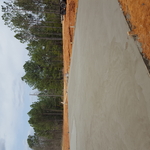
The Myrtle, MS homeowners’ guide to concrete resurfacing

From average costs to expert advice, get all the answers you need to get your job done.