





Top-rated energy efficiency auditors.

Get matched with top energy efficiency auditors in Morton, MS

Enter your zip and get matched with up to 5 pros

Need a pro for your energy efficiency auditing project in Morton, MS?

Select your specific project to find the pro for you.

Find Energy efficiency auditors in Morton

Avatar for ADT Solar
ADT Solar
4.4(
111
)
Energy Audit - For BusinessHome Energy Audit

Serving Morton, MS and surrounding areas

In business since 2008

Free estimates

Warranties offered

"Rep. checked entire system. He found several wires not connected properly and fixed this. He also made recommendations regarding the attachment of the panels to the rood that would provide more stability and leakproofing. The representative appeared to know what he was doing - much better than others, including the representative who was engaged by the roofer (who replaced our rood due to hail damage) to disconnect/connect the panels."
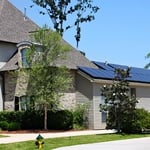
11 kW PV Installation
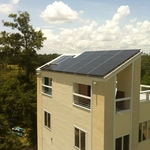
5 kW PV Installation
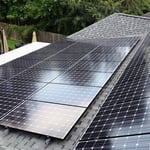
9.5 kW PV Installation
Recommended by89%of homeowners

Tony and One
New to Angi
Home Energy Audit

Serving Morton, MS and surrounding areas

In business since 2013

Free estimates

It can be a daunting task looking for not only the right contractor for your job but also the right contractor for you. We completely understand what you're going through. We know every customer has different desires, different needs and different schedules. We're not only here to turn your ideas into reality but to make it a memorable experience every step of the way. Call us right now, no matter where you are in the planning process.

Energy Efficiency Auditing questions, answered by experts

Window AC units use a fair amount of electricity, but significantly less than central AC systems. Because they are more energy-efficient for cooling individual rooms or small spaces, their usage is comparatively low. On average, a window AC unit consumes between 500 and 1,400 watts, while a central AC system uses over 3,500 watts—meaning a window unit uses about one-third of the energy. This typically translates to a monthly running cost of $15 to $40, although this can vary depending on external factors.

When combined with a substantial solar system, if you have enough Powerwalls, you could go off-grid and be energy independent. But remember, you'd need enough Powerwalls to power your whole home continuously because a single Powerwall can’t power large appliances for extended periods. One Powerwall is able to power an average-sized home's emergency circuits, lights, and outlets. To power large appliances, you likely need two or three Powerwalls.

Attic and whole-house fans improve a home's energy efficiency and comfort. They ventilate hot air from the attic, which reduces peak cooling loads, lowers reliance on air conditioning, and decreases indoor temperatures. This improved air circulation and expedited heat exit helps lower cooling costs, balance moisture levels, and enhance overall natural airflow, contributing to the efficient operation of other home equipment.

Provide utility bills and clear access to all areas of the home, including the attic and basement.

To determine the right size generator for your house, you should calculate the total wattage of the appliances and devices you want to power during an outage. List all essential items, note their start-up wattages, and add them together.

Here are some typical wattage requirements for common appliances:

  • Refrigerator: 600 watts

  • Large dehumidifier: 700 watts

  • Large window air conditioner: 1,400 watts

  • Water heater: 3,000 to 4,500 watts

  • Electric furnace: 5,000 to 25,000 watts

A 7,500-watt generator might be sufficient for essentials like a refrigerator, freezer, well pump, and lighting circuits. However, for high-demand items like a water heater or furnace, a whole-home generator is a better choice. A portable generator may be enough if you only need to power a few critical items.

While home square footage can offer a rough estimate, it is not always a reliable indicator. For reference, here are some typical generator sizes based on square footage:

  • 1,000 sq ft: 6–9 kW

  • 1,500 sq ft: 7–10 kW

  • 2,000 sq ft: 10–14 kW

  • 2,500 sq ft: 12–16 kW

  • 3,000 sq ft: 16–20 kW+

For the most accurate sizing, consult a professional who can calculate your home's peak and average power consumption and recommend the optimal generator.

The Morton, MS homeowners’ guide to energy efficiency auditing services

From average costs to expert advice, get all the answers you need to get your job done.