Top-rated leaf removal pros.

Best leaf removal pros near Jayess, MS

Enter your zip and get matched with up to 5 pros

Need a pro for your leaf removal project in Jayess, MS?

Select your specific project to find the pro for you.

Top-Rated Leaf removal pros in Jayess - Updated Nov 2026

Fourty-Nine Inflatables & Yard Maintenance LLC
New to Angi
Lawn & Yard Waste Clean UpLawn Care - Maintain and Mow a LawnWaste, Junk, Building Materials and Debris - Remove and Haul

Serving Jayess, MS and surrounding areas

Approved

Free estimates

Emergency services offered

Small jobs welcome

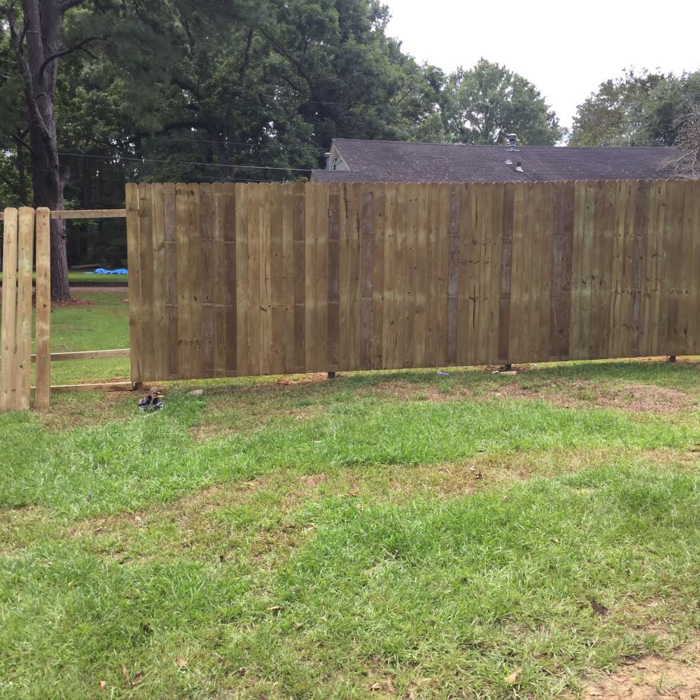
Hey everyone! My name is Logan, owner of Fourty-Nine Inflatables & Lawn Maintenance!\n\nWe offer a variety of services to help with projects around your home or property, including:\n\n* 🏠 Interior and exterior home improvements\n* 🚜 Dirt work\n* 🌳 Tree work\n* 🚧 Wood and metal fencing\n* 🌿 Lawn maintenance\n* 🛠️ General property projects and more!\n\nIf you have a project you’ve been putting off or just don’t feel like dealing with the hassle, let us take care of it for you!\n\nWe’d love the opportunity to earn your business. No job is too much hassle when you can leave it to us! Give us a message today for a quote!\n\nThank you for supporting a local business! 🤝

...
Showing 1-10 of 141
Leaf Removal FAQs, answered by experts

According to the Environmental Protection Agency (EPA), hazardous waste is generally classified into four main categories:

1. Characteristic Wastes: These exhibit at least one of four hazardous traits: ignitability (flammable, like gasoline), corrosivity (can rust or decompose materials, like car batteries), reactivity (unstable and can explode, like aerosol cans), or toxicity (harmful when ingested, like lead-based paint).

2. Listed Wastes: These are specific wastes from manufacturing and industrial processes that the EPA has officially designated as hazardous. They include byproducts from processes that use solvents, pesticides, and other chemicals.

3. Universal Wastes: These are commonly generated hazardous items that are subject to streamlined regulations. Examples include batteries, pesticides, mercury-containing equipment (e.g., bulbs), and some lamps.

4. Mixed Wastes: This category includes waste that contains both hazardous and radioactive components, making it subject to regulation by both the EPA and the Nuclear Regulatory Commission.
You should ask a few questions to ensure that your potential lead removal professional is experienced and qualified to handle lead-paint abatement safely, legally, and properly.

  • What are your qualifications and experience removing lead-based paint?

  • Are you licensed and certified to remove lead-based paint?

  • How do you test for lead paint?

  • What methods do you use for lead-based paint abatement?

  • What do you plan to do with the hazardous material when you remove it from the home?

  • Do you do replacement and painting work or removal only?

Follow recommendations for removal or remediation to ensure a safe living environment.

Hazardous waste is waste that poses a threat to human or environmental health. This generally refers to waste that is flammable, corrosive, toxic, or reactive. To confirm if the waste you need to remove is considered hazardous waste, contact your local hazardous waste facility.

Lead removal is crucial in older homes to eliminate risks of lead poisoning, which can severely affect health, particularly in children, by impacting development and cognitive functions.

The Jayess, MS homeowners’ guide to leaf removal services

From average costs to expert advice, get all the answers you need to get your job done.