




Top-rated asbestos removal specialists.

Get matched with top asbestos removal specialists in Fulton, MS

Enter your zip and get matched with up to 5 pros

Need a pro for your asbestos abatement project in Fulton, MS?

Select your specific project to find the pro for you.

Find Asbestos removal specialists in Fulton

Frederick Environmental LLC
New to Angi
Asbestos - Abatement

Serving Fulton, MS and surrounding areas

In business since 2015

Free estimates

We're a locally owned and operated company that values honesty, integrity and treats your home as if it were our own. We offer a variety of home testing services that are customizable to each individual project. We specialize in Toxics Testing, but also offer a wide range of expertise for a variety of other projects. We pride ourselves on the quality of our work, as well as our commitment to outstanding results. We look forward to building lasting relationships and guarantee your satisfaction!

Paul Hankins
0.5(
1
)
Asbestos Siding - Repair

Serving Fulton, MS and surrounding areas

In business since 2019

Free estimates

Emergency services offered

Paul Hankins is committed to excellence in every aspect of our business. We uphold a standard of integrity bound by fairness, honesty, and personal responsibility. Our distinction is the quality of service we bring to our customers. Accurate knowledge of our trade combined with ability is what makes us true professionals. Above all, we are watchful of our customers' interests, and make their concerns the basis of our business.

Response time1 day
Response rate94%
Asbestos Removal questions, answered by experts

Asbestos encapsulation is an alternative to asbestos abatement or removal. Suppose you have hired an asbestos testing service and they recommend encapsulation. In that case, they will cover the asbestos with a protective barrier or put it in a sealed enclosure so the fibers cannot escape. Encapsulation usually costs between $2 and $6 per square foot.

According to the National Cancer Institute, asbestos-related diseases can take anywhere from 10 to 40 years for symptoms to appear. The health risks increase with prolonged and heavier exposure. Risk factors also include:

  • Amount of exposure

  • Chemical makeup, size, and shape of the asbestos fibers

  • Length of time a person is exposed to asbestos

  • Genetic factors 

  • Source of exposure (direct exposure or secondhand exposure from someone directly exposed)

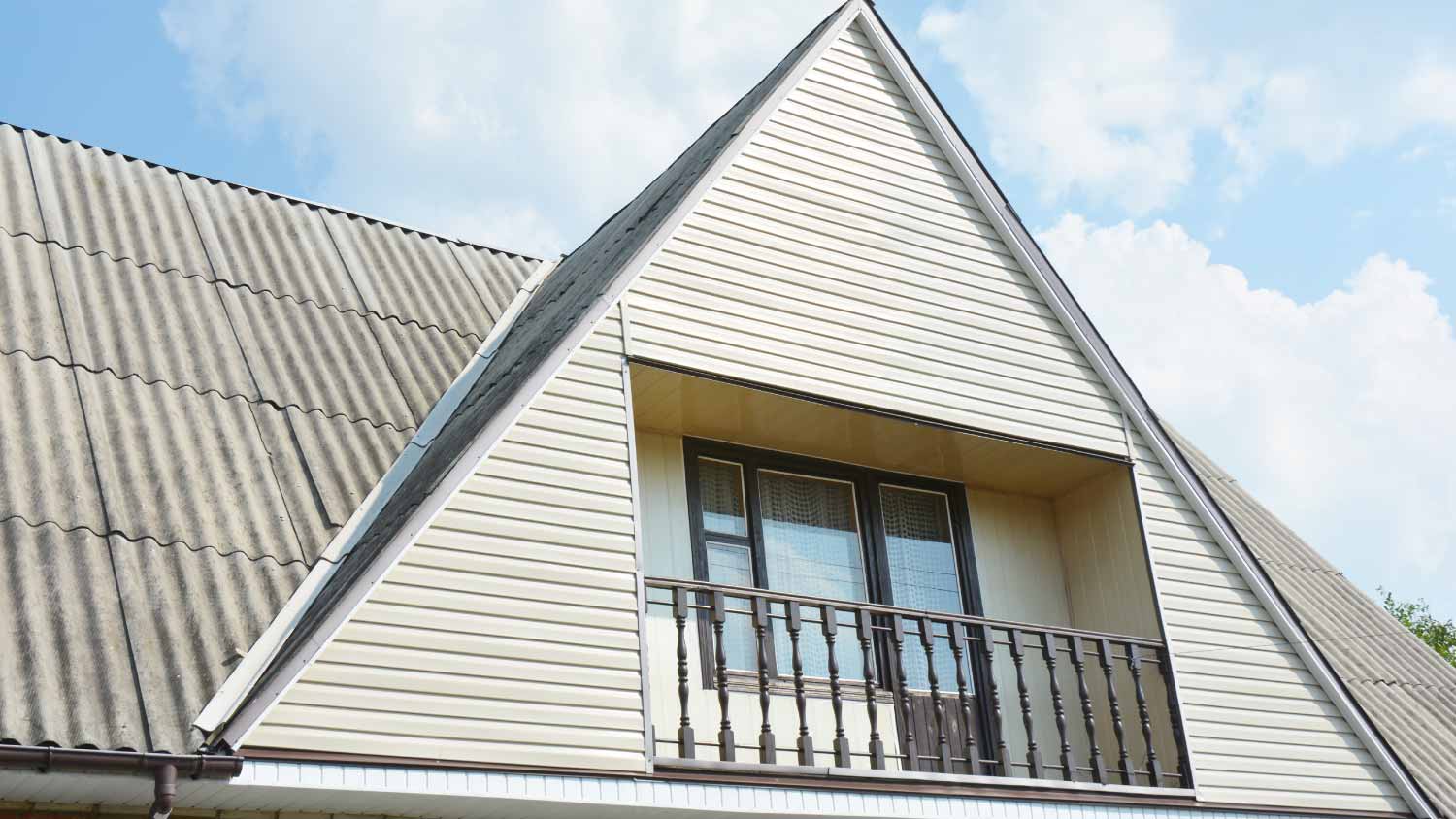
If you are trying to sell a home with asbestos siding, most jurisdictions force you to disclose this in official documentation about the home. Some potential buyers may not want to purchase a home with asbestos siding, which could negatively affect their health if the siding becomes disturbed. However, as long as the siding is in good condition, some buyers may not see it as a disadvantage. You could take on the cost to replace asbestos siding if you have concerns over this material affecting your home’s resale value.

According to the Environmental Protection Agency (EPA), hazardous waste is generally classified into four main categories:

1. Characteristic Wastes: These exhibit at least one of four hazardous traits: ignitability (flammable, like gasoline), corrosivity (can rust or decompose materials, like car batteries), reactivity (unstable and can explode, like aerosol cans), or toxicity (harmful when ingested, like lead-based paint).

2. Listed Wastes: These are specific wastes from manufacturing and industrial processes that the EPA has officially designated as hazardous. They include byproducts from processes that use solvents, pesticides, and other chemicals.

3. Universal Wastes: These are commonly generated hazardous items that are subject to streamlined regulations. Examples include batteries, pesticides, mercury-containing equipment (e.g., bulbs), and some lamps.

4. Mixed Wastes: This category includes waste that contains both hazardous and radioactive components, making it subject to regulation by both the EPA and the Nuclear Regulatory Commission.

Since the EPA partially banned asbestos in 1989, it is no longer used to manufacture new siding in the United States; production had largely ceased by the early 1980s. Many other countries, such as Canada, Iceland, and Denmark, also have bans on asbestos. However, asbestos siding is still present in many homes built before the late 1980s. The only definitive way to know if your siding contains asbestos is to have it professionally lab-tested.

The Fulton, MS homeowners’ guide to asbestos removal services

From average costs to expert advice, get all the answers you need to get your job done.