



Top-rated excavation pros.

Get matched with top excavation pros in Elliott, MS

Enter your zip and get matched with up to 5 pros

Need a pro for your excavation project in Elliott, MS?

Select your specific project to find the pro for you.

TRUSTED BY ELLIOTT, MS HOMEOWNERS

  • Average homeowner rating star icon5
    Average homeowner rating
  • Verified reviews icon11
    Verified excavation services reviews

Find Excavation pros in Elliott

Avatar for The Old Anvil
The Old Anvil
5.0(
4
)
Building Site - Preparation and ClearingBuilding Site - Preparation and Clearing - For BusinessExcavation - Major Grading or Resloping+2 more

Serving Elliott, MS and surrounding areas

In business since 2024

Credit card accepted

"Noah is a very professional young man that has a great understanding on how to perfect a existing mechanical operation. We have also used him to design new electrical conveyors & sorters for the packing operation. lots of talent with this guy! Give him a shout."
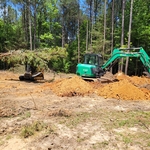
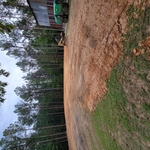
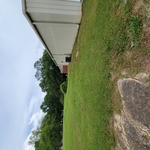
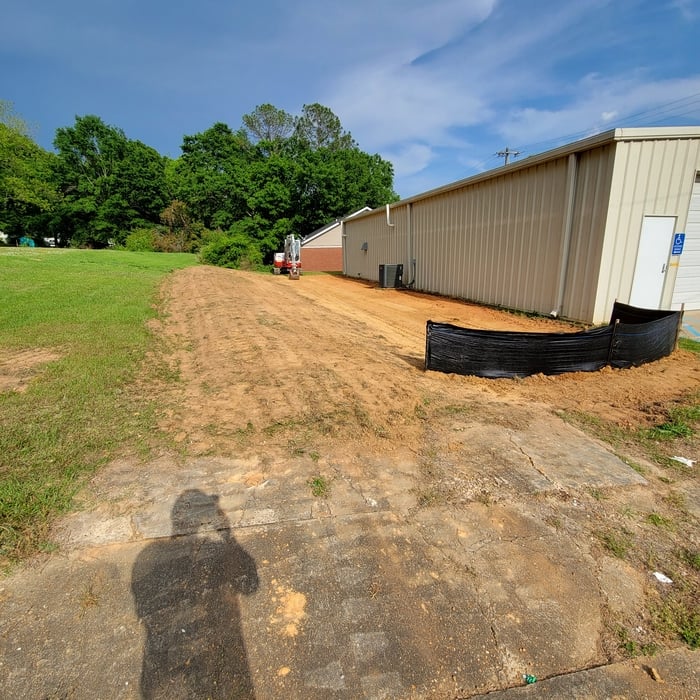
Additional Photos
Additional Photos
Additional Photos
Additional Photos
Additional Photos

+8

Recommended by100%of homeowners

Showing 1-10 of 44
Excavating questions, answered by experts

How deep your septic system needs to be into the ground depends on several factors. In extremely cold environments, the tank needs to rest below the maximum frost line, which can be up to six or eight feet deep. The standard burying depth for most systems is between a few inches and four feet below ground level. Depth can also depend on the slope of the landscaping and other property variables. 

Trenching is a specific kind of digging. Trenching means digging a depression in the earth that’s deeper than it is wide, often with heavy machinery. Digging refers to any kind of removal of earth in order to create a human-made depression, hole, or cut in the earth’s surface. You can dig with big tools or even with just a hand shovel.

Preparation involves site assessment, clearing debris, grading surfaces, and compacting soil to support stable construction.

Depth is not a qualifying component of evacuation. Any human-made cut, cavity, or depression in the earth’s surface is considered excavation. The hole from excavation can be any size, shape, or depth. Excavation is used to create foundations, reservoirs, drainage ditches, and roads. Long, narrow excavations are called trenches and are often used for underground utilities.

No, fire blight does not survive free in the soil but instead is carried through insects, animals, rain, or wind during the spring. Keep in mind that it can also spread on tools, which is why you should always disinfect them in between cuts.

The Elliott, MS homeowners’ guide to excavation services

From average costs to expert advice, get all the answers you need to get your job done.