



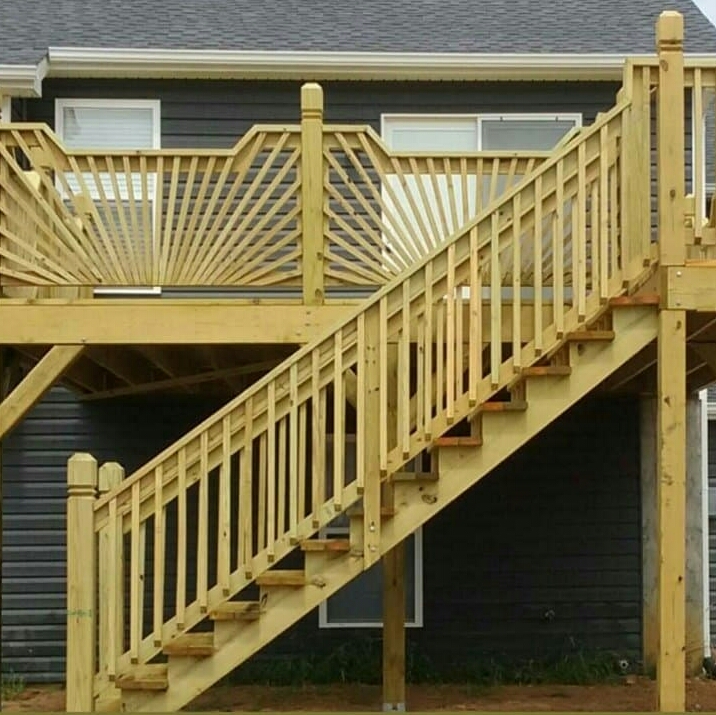


Top-rated deck staining pros.

Get matched with top deck staining pros in Vandalia, MO

Enter your zip and get matched with up to 5 pros
Need a pro for your deck staining project in Vandalia, MO?

Select your specific project to find the pro for you.

Find Deck staining pros in Vandalia

Avatar for Siding Repair Systems
Siding Repair Systems
4.5(
128
)
Exterior Home or Structure - Paint or StainExterior Home or Structure - Paint or Stain: LargeExterior Home or Structure - Paint or Stain: Medium

Serving Vandalia, MO and surrounding areas

In business since 2009

Free estimates

Credit card accepted

"They've done good work. The quality is really good. Once they started the work it was done quickly, about two days. Rock solid and perfect clean up. Good technicians. They know exactly what they are doing. They give you a discount if you put a sign in your yard, the contract is put a sign up for a week a few times a year. They seemed to forgot to come get the sign a few times. 


"
Additional Photos
Additional Photos
Additional Photos
Additional Photos
Additional Photos

+6

Recommended by89%of homeowners
Showing 1-10 of 31
Deck Staining questions, answered by experts

Hot, intense sunshine can cause your stain to dry too quickly, which could lead it to look uneven or patchy. If you’re staining the deck during hotter months, it’s best to do it in the morning or evening once the wood has had time to cool down. If you’re staining in cooler weather with less sunshine, the time of day won’t make as much of a difference.
You should refinish your deck to maintain its appearance, durability, and longevity. Refinishing your deck protects the wood from foot traffic and the elements. It also helps extend its life span by keeping rot, mildew, and termites at bay. By maintaining your deck, you can avoid the cost of replacing your deck sooner. A refinished deck also looks great and restores some of its original beauty.

If you don’t treat a cedar fence, it will turn from reddish brown to gray over time. You can keep the cedar from graying and retain its attractive, deep red color by sealing your cedar fence with a stain that keeps the wood’s oils in and serves as a barrier against the sun’s UV rays.

Yes, beginners can use a paint sprayer, but there is a learning curve. It's important to go slowly, read the instructions thoroughly, and spend some time learning the technique. Watching tutorial videos for your specific paint sprayer model can be very helpful. Before starting your main project, practice on a scrap surface to get used to the sprayer and avoid common issues like overspraying, which can cause drips, bubbles, and other imperfections. For safety, always wear a mask and gloves, and be careful not to touch the sprayer's tip when it's in use, particularly with high-powered airless sprayers.

Limewash and whitewash are two techniques used to give brick a light, matte finish, but they differ in composition, application, and permanence. The best choice depends on your aesthetic goals and the specific surface.

Composition

  • Limewash: A natural and environmentally friendly option made from limestone, water, and sometimes pigments. It is breathable and soaks into porous surfaces like brick.

  • Whitewash: Traditionally made from lime, water, chalk, and binders, but a similar look can be achieved with watered-down white paint. It is paint-based and sits on top of the surface.

Appearance and Finish

  • Limewash: Provides a natural, textured appearance that allows the brick's character to show through. It offers a more traditional finish.

  • Whitewash: Creates a softer, more opaque finish, often used for a rustic or shabby-chic style.

Application and Permanence

  • Limewash: Is semi-permanent and can be removed, making it a good choice if you might want to change the look in the future. It requires more skill to apply and cannot be used on previously painted brick.

  • Whitewash: Is a more permanent solution. It is more forgiving to apply and can be used on painted brick. However, because it sits on the surface, it can trap moisture.

Ultimately, if you want a breathable, natural, and reversible finish for unpainted brick, limewash is a great option. If you need a more permanent, opaque coating that can be applied over painted surfaces, whitewash is the better choice. Whitewashing may also be more economical, costing approximately $1.40 to $4.20 per square foot.

The Vandalia, MO homeowners’ guide to deck staining services

From average costs to expert advice, get all the answers you need to get your job done.