
Top-rated asbestos removal specialists.

Get matched with top asbestos removal specialists in Thayer, MO

Enter your zip and get matched with up to 5 pros

Need a pro for your asbestos abatement project in Thayer, MO?

Select your specific project to find the pro for you.

Find Asbestos removal specialists in Thayer

Asbestos Removal questions, answered by experts

According to the Environmental Protection Agency (EPA), hazardous waste is generally classified into four main categories:

1. Characteristic Wastes: These exhibit at least one of four hazardous traits: ignitability (flammable, like gasoline), corrosivity (can rust or decompose materials, like car batteries), reactivity (unstable and can explode, like aerosol cans), or toxicity (harmful when ingested, like lead-based paint).

2. Listed Wastes: These are specific wastes from manufacturing and industrial processes that the EPA has officially designated as hazardous. They include byproducts from processes that use solvents, pesticides, and other chemicals.

3. Universal Wastes: These are commonly generated hazardous items that are subject to streamlined regulations. Examples include batteries, pesticides, mercury-containing equipment (e.g., bulbs), and some lamps.

4. Mixed Wastes: This category includes waste that contains both hazardous and radioactive components, making it subject to regulation by both the EPA and the Nuclear Regulatory Commission.

If you have an older electrical system with fraying wires and other signs of damage, removal  may be the best course of action. When asbestos begins to break down, it's more likely to become airborne, increasing the risk of health issues when it's inhaled.

However, if the system is in good condition and doesn't have visible signs of wear or damage, leaving it alone may be the safest course of action. An asbestos abatement and removal professional can help you determine the best way to proceed.

The legality of covering asbestos tile with new flooring can vary by location. In some cities, it is not legal to cover asbestos tile due to the risk of causing fibers to become airborne. While a professional method called encapsulation can seal the asbestos in place, it is not always an appropriate solution. In other areas, covering the tile is a legal and reasonable option to prevent fibers from spreading and reduce health hazards. However, the best long-term solution is to have the asbestos professionally and completely removed from your home.

If the tiles are undamaged and in good condition, painting can be a safe method of encapsulating them, but it is important first to evaluate the state of the tiles before proceeding. If the tiles are deteriorating, damaged, or already loose, simply painting over them fails to address the underlying issues that can cause asbestos exposure. It is recommended to consult asbestos abatement experts in such situations to identify the best way to safely manage or remove the asbestos-containing materials. During the painting process, it is crucial to adhere to safety regulations and guidelines to reduce the potential health risks associated with asbestos exposure.

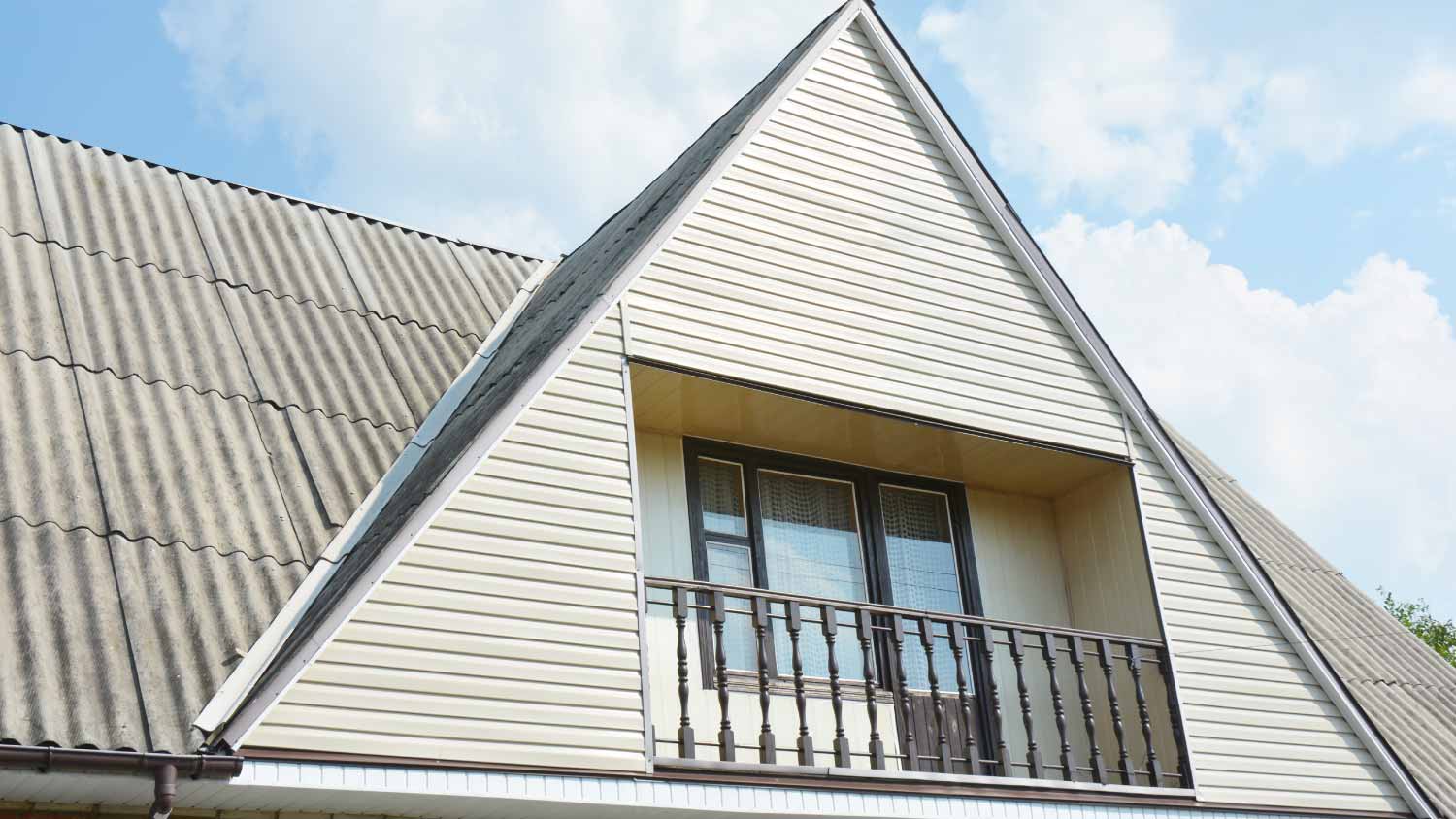
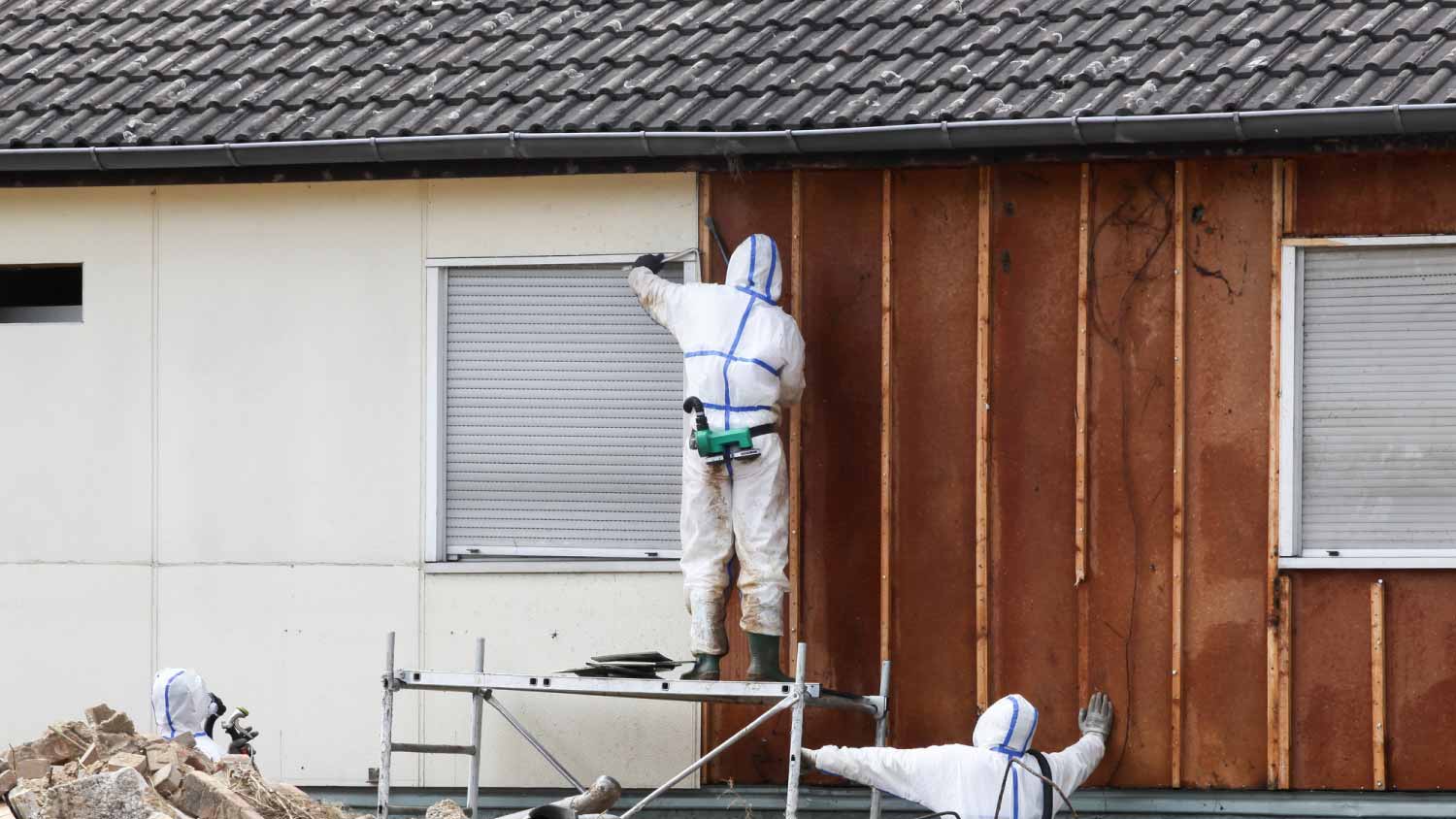
If you are trying to sell a home with asbestos siding, most jurisdictions force you to disclose this in official documentation about the home. Some potential buyers may not want to purchase a home with asbestos siding, which could negatively affect their health if the siding becomes disturbed. However, as long as the siding is in good condition, some buyers may not see it as a disadvantage. You could take on the cost to replace asbestos siding if you have concerns over this material affecting your home’s resale value.

The Thayer, MO homeowners’ guide to asbestos removal services

From average costs to expert advice, get all the answers you need to get your job done.