





Top-rated lead testing and removal specialists.

Get matched with top lead testing and removal specialists in Taos, MO

Enter your zip and get matched with up to 5 pros

Need a pro for your lead testing and removal project in Taos, MO?

Select your specific project to find the pro for you.

Find Lead testing and removal specialists in Taos

Avatar for Stanley's Home Improvement
Stanley's Home Improvement
3.3(
12
)

Serving Taos, MO and surrounding areas

Free estimates

Emergency services offered

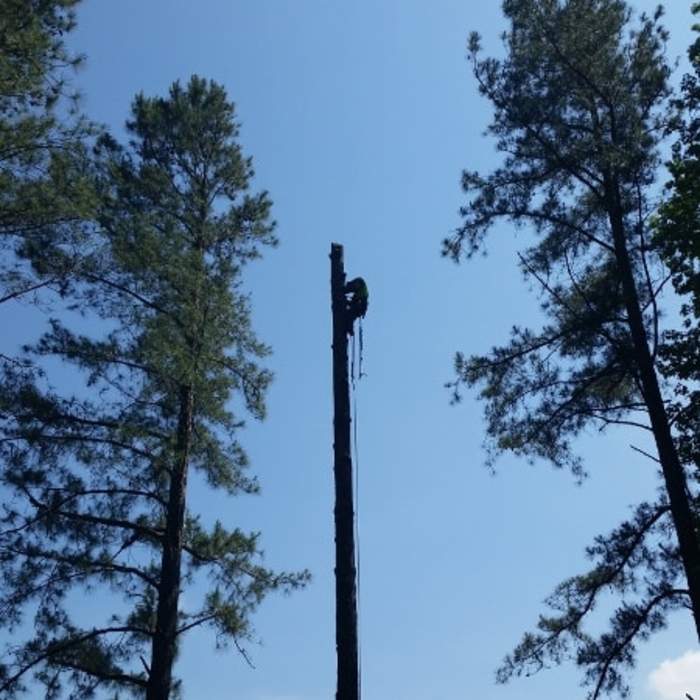
"It was apparent they were very skilled. They quickly dropped the huge limbs without a scratch on the house, fence or sheds surrounding the tree. They arrived on time and cleaned the area to my satisfaction before leaving. And they were competetively priced! I can't say enough good things about this company."
Additional Photos
Additional Photos
Additional Photos
Additional Photos
Additional Photos

+8

Recommended by77%of homeowners
Lead Testing and Removal questions, answered by experts

You can sell a house with lead paint, but there are several requirements. If you are aware that lead paint exists anywhere in the home, you must disclose that to potential buyers. Required home inspections will often uncover lead paint, especially for older houses where lead paint may still be a problem. If you have taken steps to encapsulate lead, you should provide buyers with full documentation of the project so it won’t cause any problems later on.

While not all homes built before 1978 contain lead paint, enough do, so you’ll still want to test to be on the safe side. The federal government banned lead-based paint for homes in 1978, but your state may have banned lead before that time. Around 24% of homes built between 1960 and 1977 contained lead-based paint, while 87% of homes built before 1940 contained lead-based paint.

According to the Environmental Protection Agency (EPA), hazardous waste is generally classified into four main categories:

1. Characteristic Wastes: These exhibit at least one of four hazardous traits: ignitability (flammable, like gasoline), corrosivity (can rust or decompose materials, like car batteries), reactivity (unstable and can explode, like aerosol cans), or toxicity (harmful when ingested, like lead-based paint).

2. Listed Wastes: These are specific wastes from manufacturing and industrial processes that the EPA has officially designated as hazardous. They include byproducts from processes that use solvents, pesticides, and other chemicals.

3. Universal Wastes: These are commonly generated hazardous items that are subject to streamlined regulations. Examples include batteries, pesticides, mercury-containing equipment (e.g., bulbs), and some lamps.

4. Mixed Wastes: This category includes waste that contains both hazardous and radioactive components, making it subject to regulation by both the EPA and the Nuclear Regulatory Commission.

Properties should be tested for lead every 2-3 years, especially if they are older, have undergone renovations, or show deterioration of paint or interior finishes.

Several different measurements may be used to determine the amount of lead in water. The most common unit of measurement is micrograms per liter (µg/L), which is the same as parts per billion. Another measurement is milligrams per liter (mg/L), which is the same as parts per million.

The Taos, MO homeowners’ guide to lead testing and removal services

From average costs to expert advice, get all the answers you need to get your job done.