




Top-rated marble restoration pros.

Get matched with top marble restoration pros in Stover, MO

Enter your zip and get matched with up to 5 pros

TRUSTED BY STOVER, MO HOMEOWNERS

  • Average homeowner rating star icon5
    Average homeowner rating
  • Verified reviews icon31
    Verified marble restoration services reviews

Find Marble restoration pros in Stover

Avatar for Re-Bath
Re-Bath
4.2(
38
)
Stone Restoration & PolishingStone Restoration & Polishing - For BusinessTile: Natural Stone (Granite, Marble, Slate, Quartz, etc) - Repair

Serving Stover, MO and surrounding areas

In business since 1979

Free estimates

Credit card accepted

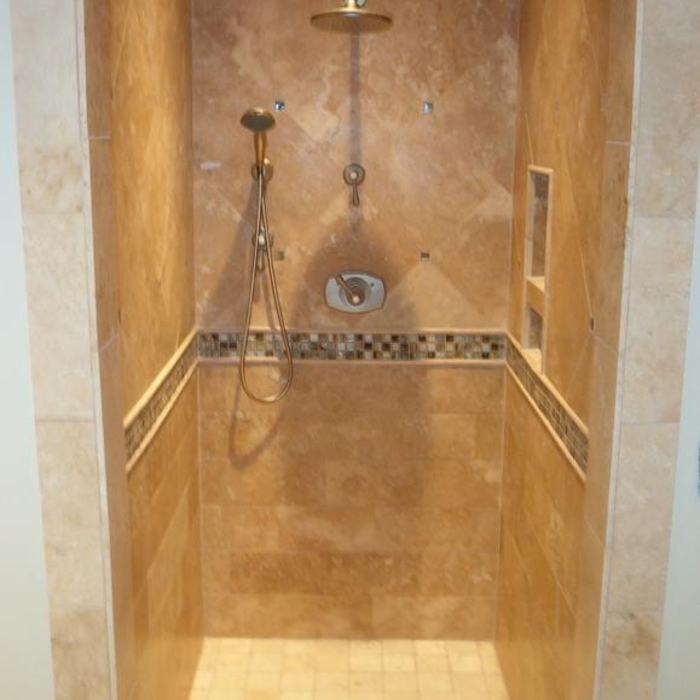
"We had a very good experience with our Bathroom Remodel. Basically, the bathroom was gutted. Dylan was the representative that helped us through the design process. He brought all samples to our home to make choices. He was patient, knowledgeable, and overall, very pleasant to work with. Ben and Kellan performed the work on the project. They were very professional, and extremely hard working! They literally took lunch breaks and other than that worked the entire day without breaking. They were quiet as can be, they didn't have any music playing or even receive private phone calls. They cleaned up after themselves each evening before they left. Extremely pleasant to have in our home. They kept us informed along the way and paid attention to detail. We couldn't be happier with the end results, job well done. I would definitely recommend them or use them again. Steve & Debbie K."
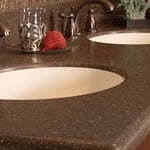
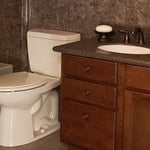
Additional Photos
Additional Photos
Additional Photos
Additional Photos
Additional Photos

+8

Recommended by70%of homeowners

Showing 1-10 of 18
Marble Restoration questions, answered by experts

The frequency for sealing granite countertops depends on several factors, including the type of sealant used, the color of the granite, and how heavily the countertops are used. As a general guideline, resealing is often recommended every 12 to 18 months, but some sources suggest it could be as often as every few months or at least once a year.

The type of sealant is a major factor: water-based sealants may need reapplication every six months to a year, while more durable solvent-based sealants can last for five to 10 years. Additionally, factors like heavy kitchen traffic, frequent use of acidic cleaners, and lighter granite colors may require more frequent sealing to prevent staining.

To determine if your countertops need resealing, you can perform a simple water test. Place a few drops of water or a wet paper towel on an inconspicuous area of the granite. After 10 to 15 minutes, check the spot. If the water has beaded up, the seal is still intact. If the water has been absorbed and darkened the stone, it's time to apply a new coat of sealant. You can choose to seal the granite yourself or hire a professional to ensure it's done correctly.

Rubbing alcohol won’t damage most countertops, and you can mix it with water to create a disinfecting spray to keep your kitchen clean. It’s safer than using bleach on countertops, which can stain and cause discoloration. Be careful with rubbing alcohol when it comes to lacquered or varnished surfaces, though.

There are three main downsides to quartzite: the cost, the porosity, and the weight. As a natural stone, there’s a level of scarcity that can drive up the price of certain types of quartzite. Even more common varieties are less affordable than synthetic materials like laminate and other natural stones like granite. 

You’ll also have to reseal your quartzite countertop annually to combat the natural porosity and reinforce your cabinets to account for the added weight.

Cracks are usually repaired using an epoxy filler that matches the countertop's color. The area is cleaned, the epoxy applied, and then polished to blend with the surface, restoring both strength and appearance.

Baking soda can damage some countertops, but it makes an excellent mild abrasive for removing stains on other countertops. For example, never use baking soda on quartz or glass countertops, but you can use it on laminate and tile. Stay away from using it on quartz because it can scratch and damage the counter, and glass is prone to scratches. Since baking soda is a mild abrasive, you can only use it on certain surfaces.

The Stover, MO homeowners’ guide to marble restoration services

From average costs to expert advice, get all the answers you need to get your job done.