






Top-rated drapery cleaners.

Get matched with top drapery cleaners in Raymore, MO

Enter your zip and get matched with up to 5 pros

Need a pro for your drapery cleaning project in Raymore, MO?

Select your specific project to find the pro for you.

Find Drapery cleaners in Raymore

Clubhouse Clean
5.0(
12
)
Drapes or Curtains - CleanDrapes or Curtains - Clean - For Business

Serving Raymore, MO and surrounding areas

In business since 2021

Free estimates

Emergency services offered

"Nick, the owner, is easy to work with and professional. He is responsive to calls and texts. The carpet cleaning he and his helper did was very good. Removal of spots was accomplished. Carpet was pretty dry shortly after job was completed."
Response time1 day
Response rate96%
Recommended by100%of homeowners
Avatar for USClean
USClean
3.6(
10
)
Drapes or Curtains - CleanDrapes or Curtains - Clean - For Business

Serving Raymore, MO and surrounding areas

In business since 2003

Free estimates

Emergency services offered

"Excellent. I've had other companies complete this work in the past, but I've never been more please with the completed work that USClean completed. There was no mess left, the workers wore shoe protectors while in my house, and they were very courteous. I will definitely call them again in the future when I need other work done."
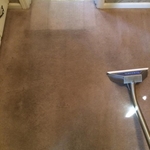
Before the Carpet was Cleaned
During the Carpet Cleaning Process
After the Carpet was Cleaned
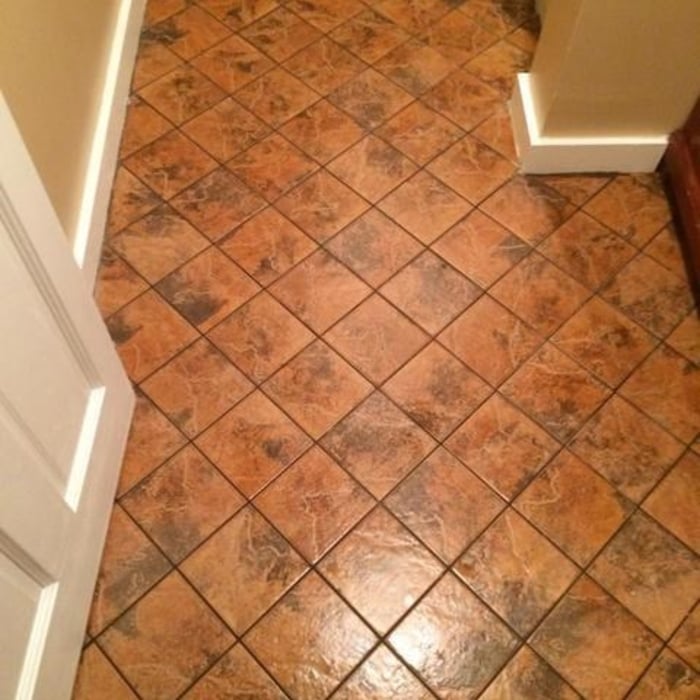
Ceramic Tile before it was Cleaned
Ceramic Tile after it was Cleaned

+12

Recommended by83%of homeowners
Showing 1-10 of 32
Drapery Cleaning questions, answered by experts

There are several ways to store clothes properly and keep them smelling good. You can keep clothing in a climate-controlled closet for best results, but if this isn’t in your budget, there are many DIY solutions. From using air freshener sprays to keeping a box of baking soda in the closet, you can eliminate unwanted odors. Always store clean, dry clothes in the closet to minimize odors.

The recommended frequency for professionally cleaning drapes varies. As a general guideline, aim for every four to five years. However, you should consider more frequent cleanings in specific circumstances. For homes with pets, heavy soiling, or residents with severe allergies, cleaning every two to three years—or even two to four times per year—is beneficial. Light-colored drapes may need cleaning every one to two years to maintain their appearance. Some also follow a biannual schedule, cleaning in the spring to remove winter dust and in the fall to remove summer pollen. In between professional services, lightly vacuum your drapes with a special attachment to remove surface debris, but avoid abrasive brushes on delicate fabrics like silk and linen.

You probably have mold on your shower curtains because mold and mildew thrive and spread in warm, dark, wet, and unventilated spaces. Your shower is the perfect environment, especially the shower curtains, because they trap water in the folds and creases, plus they’re exposed to the most water spray. The best way to ensure mold stays off your shower curtains is to keep it dry so it doesn’t have a place to grow. Doing this can also help keep mold off your bathroom ceiling.

Insulating windows without plastic is usually the better method. Outside of simply replacing your windows, you could buy cellular shades, which trap air between the window and the home, add a window film that blocks UV rays and traps heat, or cover your windows with a low-emissivity coating called “low-E.”

You should avoid using a pressure washer on any surface or item that could be damaged by the high-pressure spray, as some materials are too delicate to withstand the force.

Key items and surfaces to avoid include:

  • Electrical Components: Never pressure wash electrical systems, as water can cause short-circuits and create a safety hazard. This includes utility meters, breaker boxes, electrical outlets, generators, and HVAC or air conditioner units.

  • Delicate and Fragile Materials: Fragile items can crack, shatter, or be stripped by the pressure. Avoid pressure washing windows, glass, light fixtures, shingled roofs (especially asphalt), and stucco.

  • Painted, Stained, or Sealed Surfaces: Unless your goal is to strip the finish, do not pressure wash painted surfaces, stained wood (like decks), or anything with a protective seal that could be stripped away. Be especially cautious with older surfaces that may contain lead paint.

  • Soft Woods and Certain Decking: Delicate surfaces like softwood, composite decking, and antique or wooden patio furniture can be etched or damaged. If you must wash wood, use a lower-powered pressure washer with a wide-angle nozzle to prevent damage.

  • Living Things: Never use a pressure washer on people, pets, or plants. The force can cause serious injury and will destroy landscaping.

The Raymore, MO homeowners’ guide to drapery cleaning services

From average costs to expert advice, get all the answers you need to get your job done.