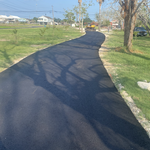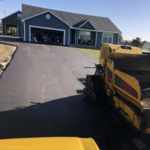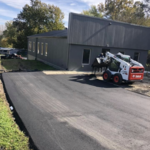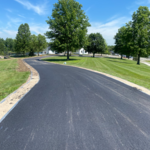







Top-rated paving pros.

Get matched with top paving pros in Pleasant Valley, MO

Enter your zip and get matched with up to 5 pros

Need a pro for your paving service project in Pleasant Valley, MO?

Select your specific project to find the pro for you.

TRUSTED BY PLEASANT VALLEY, MO HOMEOWNERS

  • Average homeowner rating star icon4.7
    Average homeowner rating
  • Verified reviews icon125
    Verified paving services reviews

Find Paving pros in Pleasant Valley

Avatar for A&D Masonry and Concrete, LLC
A&D Masonry and Concrete, LLC
4.7(
40
)
Interlocking Pavers for Patios, Walks & Steps - Install

Serving Pleasant Valley, MO and surrounding areas

Approved

In business since 2008

Free estimates

Emergency services offered

"Rene was very patient and informative in helping us make final decisions on the project. He and his group very detailed in their work and prompt in the completion of the walkway. Without a doubt, we would contract his services again and recommend him to others."
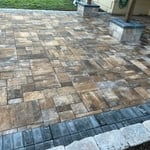
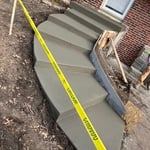
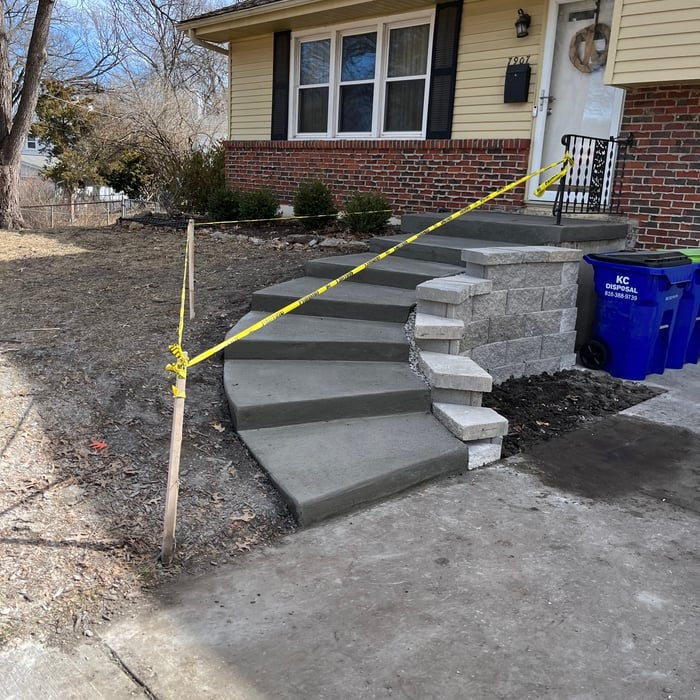
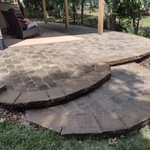
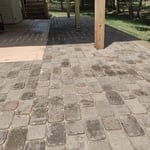
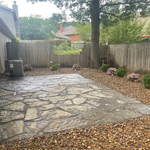
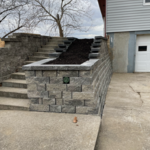
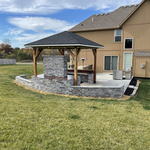
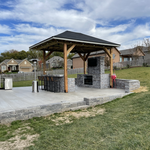
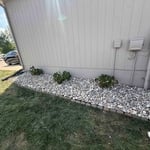
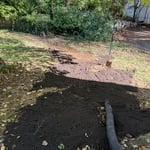
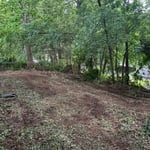
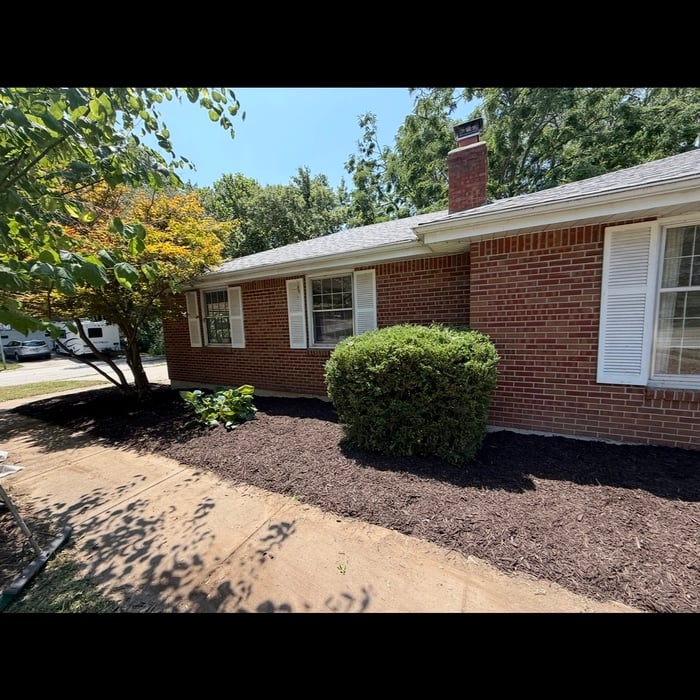
Finish product
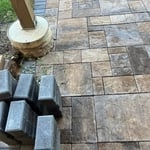
Finish product
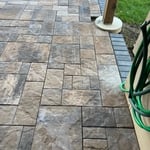
Finish product
Finish product
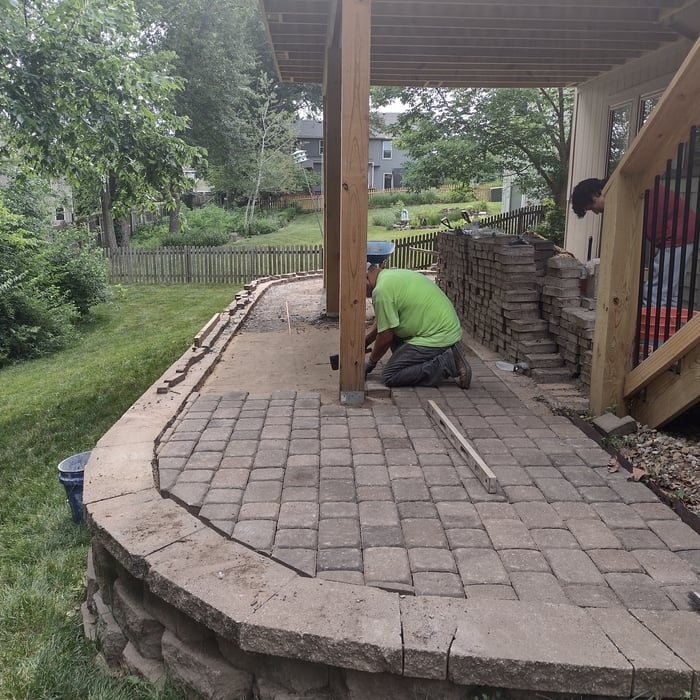
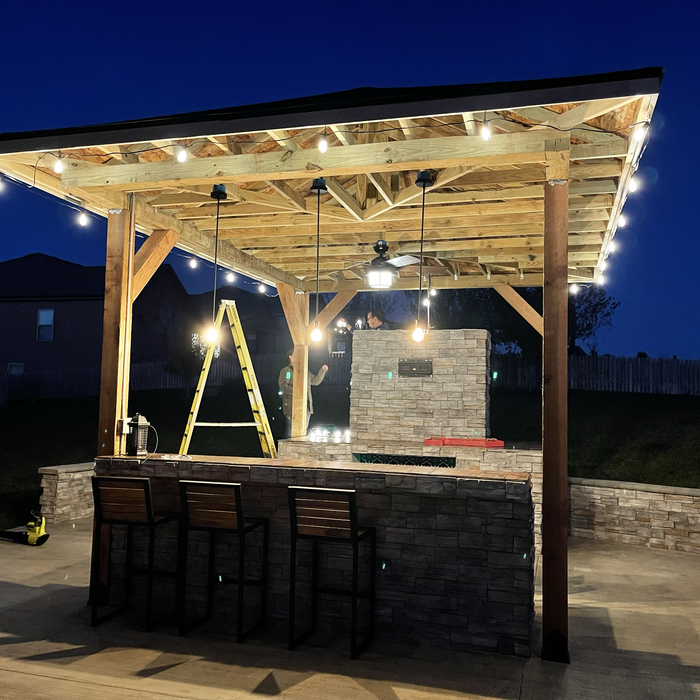
Install process

+1

Response time4 hrs
Response rate95%
Recommended by88%of homeowners
Ambience groundwork
5.0(
2
)
Gravel or Loose Fill Paving - Install, Spread or Scrape

Serving Pleasant Valley, MO and surrounding areas

Approved

Emergency services offered

Warranties offered

Credit card accepted

"Had Ambience Groundwork do a gravel driveway at our place. Hamza came out, walked it with me. They stripped and graded it, laid base rock, and topped it off clean. Crew worked hard and cleaned up after themselves. It's been through a few good rains and still sitting solid."
15 neighbors recently requested a quote
...
Showing 1-10 of 174
Paving Services questions, answered by experts

An asphalt driveway should be at least 3 inches thick over a compacted gravel base. Areas with poor drainage should have a thicker stone base. To install a new asphalt driveway over an existing driveway, the new asphalt should be at least 2 inches thick and the existing driveway should be in relatively good condition.

The dimensions of a driveway apron vary based on local building codes, the width of your driveway, and the distance between the driveway and the road. On average, aprons range from 12 to 24 feet wide and 8 to 18 feet long. Typically, the end of the apron connected to the driveway matches its width—such as 10 to 12 feet for a single-car driveway—while the end at the street flares out to allow cars to turn in and out more easily. In some areas, you may not be responsible for the portion of the apron that extends beyond the sidewalk, but this depends on local laws.

In most cases, you don’t need a permit to repave your driveway, although some exceptions exist. If you’re widening your driveway and plan on widening the apron as well, you’ll usually need a permit from the Department of Transportation in your area. This permit costs between $50 and $300 in most cases. Most municipalities will also require a certified and insured contractor do the work relating to the apron and curb cut. You can contact your building department or ask your paving company if you need a permit. Your driveway professional will usually pull the permit for you.

If you wish to break up a cracked or broken paver for removal, you can use a hammer or mallet and a chisel to fragment the paver. As you’re working, be careful not to disturb surrounding pavers; the key is to work slowly and steadily and remove the broken pieces gently. You should also wear a mask and goggles to ensure that no dust gets into your eyes, nose, or mouth as you work.

Maintaining a driveway depends on its material. For concrete and asphalt, it's best to clean the surface thoroughly twice a year with a stiff broom and a pressure washer to remove accumulated dirt and debris. Sealing the driveway is crucial to protect it from water damage and freeze-thaw cycles. Before applying a sealant, pressure wash the surface to remove any loose sealant, dirt, or stains, as sealing over them will trap them. Any cracks or expansion joints should be filled with a flexible polyurethane caulk or asphalt sealer. In colder climates, use sand instead of salt for de-icing. Sand helps melt snow and ice without accelerating the freeze-thaw process, which can cause cracks.

The Pleasant Valley, MO homeowners’ guide to paving services

From average costs to expert advice, get all the answers you need to get your job done.