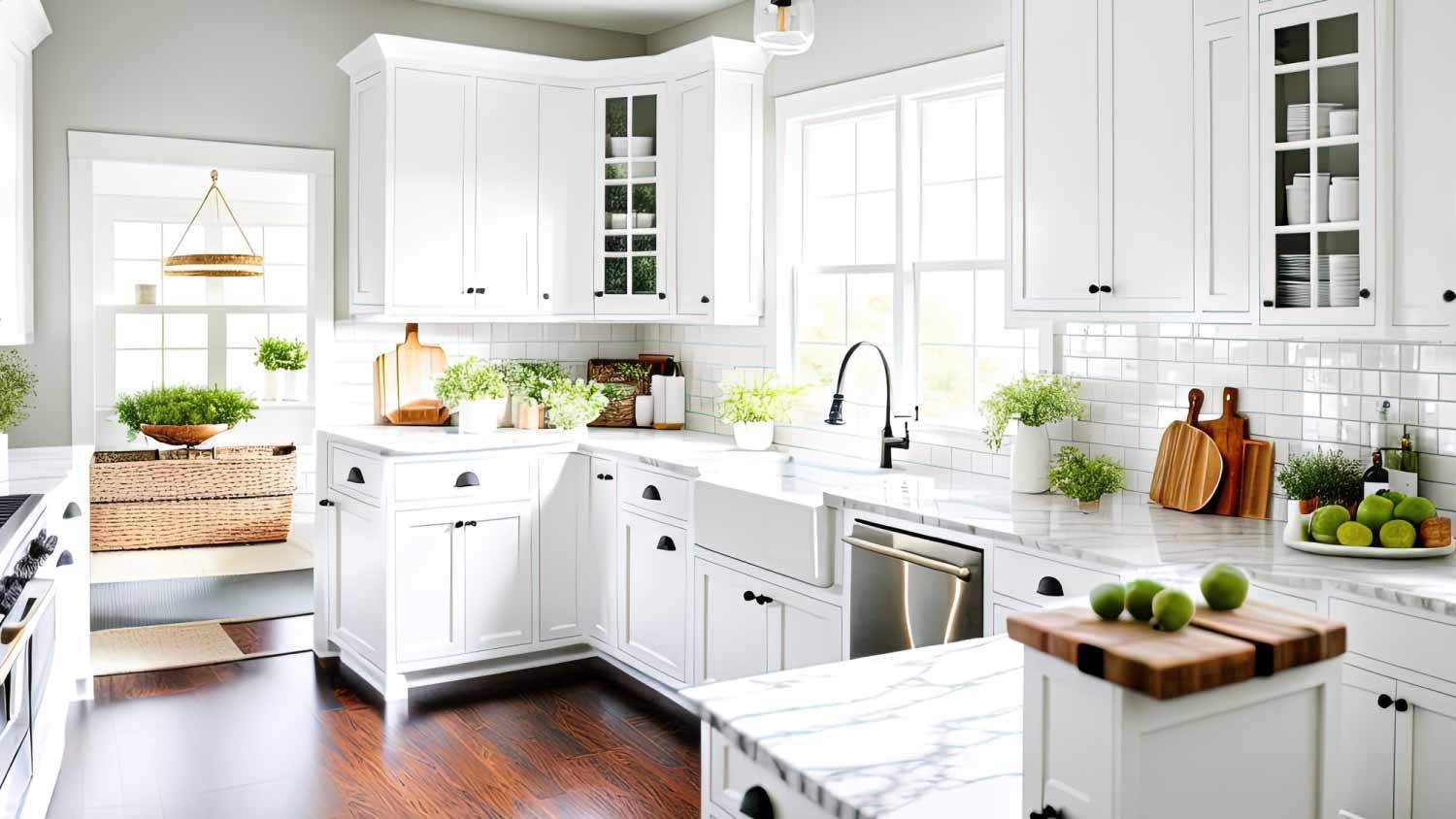








Top-rated countertop and backsplash pros.

Get matched with top countertop and backsplash pros in Palmyra, MO

Enter your zip and get matched with up to 5 pros

Need a pro for your countertop and backsplash service project in Palmyra, MO?

Select your specific project to find the pro for you.

TRUSTED BY PALMYRA, MO HOMEOWNERS

  • Average homeowner rating star icon4.5
    Average homeowner rating
  • Verified reviews icon34
    Verified countertop and backsplash services reviews

Find Countertop and backsplash pros in Palmyra

Countertops and Backsplashes questions, answered by experts

No, you should not put hot pots or pans directly on epoxy countertops, as this can cause permanent damage. While epoxy is heat-resistant, it is not fully heatproof. Epoxy countertops can typically withstand temperatures ranging from 135°F to 300°F, but cookware directly from a stove or oven can reach much higher temperatures (300°F to 500°F). Placing an extremely hot item on the surface can cause it to melt, soften, or discolor. To protect the integrity and appearance of your countertops, always use a trivet, hot pad, pot holder, or other heat-resistant barrier before setting down hot cookware.

Yes, you can put hot pans directly on Dekton without causing any damage. Dekton countertops are extremely dense, which makes them highly resistant to heat. This density also makes Dekton nonporous and water-resistant.

Comparing engineered stone vs. natural stone countertops can help you figure out if one is better than the other for you. The answer depends on your preferences, needs, and budget. You might choose engineered stone if you are looking for something more cost effective and low maintenance, but it is hard to beat the beauty of natural stone counters. You may prefer their longer lifespan, the uniqueness of each slab, and their durability.

The frequency for sealing granite countertops depends on several factors, including the type of sealant used, the color of the granite, and how heavily the countertops are used. As a general guideline, resealing is often recommended every 12 to 18 months, but some sources suggest it could be as often as every few months or at least once a year.

The type of sealant is a major factor: water-based sealants may need reapplication every six months to a year, while more durable solvent-based sealants can last for five to 10 years. Additionally, factors like heavy kitchen traffic, frequent use of acidic cleaners, and lighter granite colors may require more frequent sealing to prevent staining.

To determine if your countertops need resealing, you can perform a simple water test. Place a few drops of water or a wet paper towel on an inconspicuous area of the granite. After 10 to 15 minutes, check the spot. If the water has beaded up, the seal is still intact. If the water has been absorbed and darkened the stone, it's time to apply a new coat of sealant. You can choose to seal the granite yourself or hire a professional to ensure it's done correctly.

Granite is one of the most popular options for countertops, and most homeowners believe that granite countertops are worth the money. Granite is more affordable than marble and quartz, and provides outstanding durability and longevity. Granite countertops are also desirable because they are entirely unique; unlike some other countertop materials, your granite slab won’t be identical to any others. Granite is porous, which means it has the potential to stain if you don’t clean up spills quickly, but the general durability and relatively low cost make it well worth the investment.

The Palmyra, MO homeowners’ guide to countertop and backsplash services

From average costs to expert advice, get all the answers you need to get your job done.