







Top-rated flooring contractors.

Best flooring contractors near Mineral Point, MO

Enter your zip and get matched with up to 5 pros

Need a pro for your flooring project in Mineral Point, MO?

Select your specific project to find the pro for you.

Top-Rated Flooring contractors in Mineral Point - Updated Nov 2026

Avatar for Refloor - St. louis
Refloor - St. louis
4.6(
63
)
Wood Flooring - Install or Completely ReplaceLaminate Wood or Stone Flooring - InstallLuxury Vinyl Flooring - Install - Materials Not Provided by Consumer

Serving Mineral Point, MO and surrounding areas

Approved (Corporate)

In business since 1990

Free estimates

Warranties offered

"I had wood floors installed upstairs last year and I loved them so much that I wanted the same on the first floor.. Dayton, the sales rep, did a great job listening to my request. I hadn’t planned to make a purchase, but she gave me such a great price that I moved forward and will have my floors installed in August.."

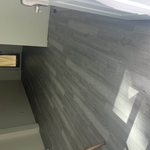
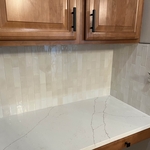
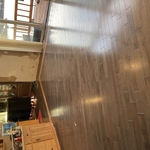
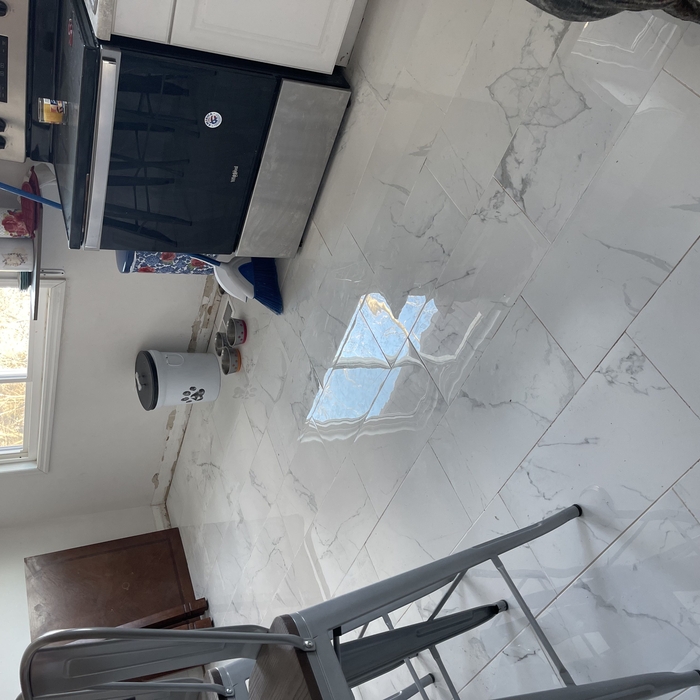
Before and After
Bedroom
Dining Room
Living Room
Living Room

+11

12 neighbors recently requested a quote
Recommended by21%of homeowners

...
Showing 1-10 of 99
Flooring Installation FAQs, answered by experts

Yes, carpeted stairs are generally considered safer than stairs with hard surfaces like wood, vinyl, or tile. Carpet provides more traction, which helps reduce the chances of slips and falls, and its cushioning can lessen the severity of an injury if a fall does occur. Hard surfaces often lack the friction needed for a secure tread and can be quite slippery.

However, it's worth noting that some carpets can also be slick, particularly if they are brand new, dirty, or made from certain materials. If any stair surface feels too slippery, traction treads can be added to most materials to increase grip and improve safety.

When deciding whether to repair or replace your carpet, consider its age, the extent of the damage, and its location. It's often best to replace the entire carpet if the damage is extensive, such as large sections needing replacement, or if it's caused by water, which can lead to mold problems. Similarly, if your carpet is nearing a decade old, replacement is likely the more logical choice. On the other hand, consider repairing your carpet if the damage is localized to one spot, like minor rips or snags, the carpet is still relatively new, or the damage is in a low-traffic area of your home.

While it is possible to install carpet yourself, it is a challenging DIY project that requires precise measurement, proper cutting skills, and knowledge of correct installation techniques. The process involves multiple steps, including removing old flooring, installing underlayment and tack strips, and stretching the carpet to prevent wrinkles, which can take several days to complete.

Before starting, consider these factors:

  • Warranty: Many manufacturers' warranties are voided if the carpet is not installed by a professional.

  • Tools: You will need to buy or rent specialized equipment like a knee kicker, carpet stretcher, and seam roller.

  • Complexity: DIY installation is most suitable for simple, straightforward rooms. Projects involving stairs or floor vents are significantly more difficult.

  • Cost: While you can save on labor, the cost of tools plus the risk of expensive mistakes—which may require re-installation—can make hiring a professional more cost-effective in the long run.

Given the potential for errors, voided warranties, and the need for special tools, hiring a local carpet installer is often recommended to ensure the job is done correctly and safely.

Moso bamboo, Phyllostachys edulis, is the most commonly used species for bamboo flooring. Moso bamboo is native to China and Taiwan, and it was later introduced to Japan and then the United States. In addition to flooring, Moso bamboo is used in textile production, and the shoots are edible. Moso is one of the fastest-growing plants in the world, which is why it’s an affordable and sustainable option compared to traditional hardwood.

To clean a subfloor after removing carpet, start by removing any leftover debris, such as stuck-on underlay, nails, or staples. Next, thoroughly vacuum the subfloor to eliminate dust, dirt, and loose particles. If adhesive residue remains, you can use an adhesive remover, a scraper, or a sander to gently lift it off. Finally, clean the surface by mopping or wiping it down with a damp rag and allow it to dry completely. This preparation is essential for ensuring new flooring adheres properly and to prevent bumps or wrinkles from forming.

The Mineral Point, MO homeowners’ guide to flooring services

From average costs to expert advice, get all the answers you need to get your job done.