









Top-rated deck repair pros.

Get matched with top deck repair pros in Mansfield, MO

Enter your zip and get matched with up to 5 pros

Need a pro for your deck repair project in Mansfield, MO?

Select your specific project to find the pro for you.

TRUSTED BY MANSFIELD, MO HOMEOWNERS

  • Average homeowner rating star icon4.6
    Average homeowner rating
  • Verified reviews icon15
    Verified deck repair services reviews

Find Deck repair pros in Mansfield

Avatar for Mattison Home Improvement
Mattison Home Improvement
4.5(
21
)
Deck or Porch - Repair

Serving Mansfield, MO and surrounding areas

Approved

In business since 2016

Free estimates

Small jobs welcome

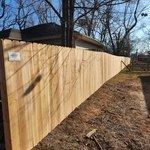
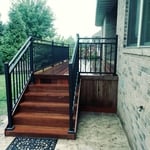
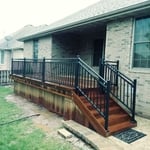
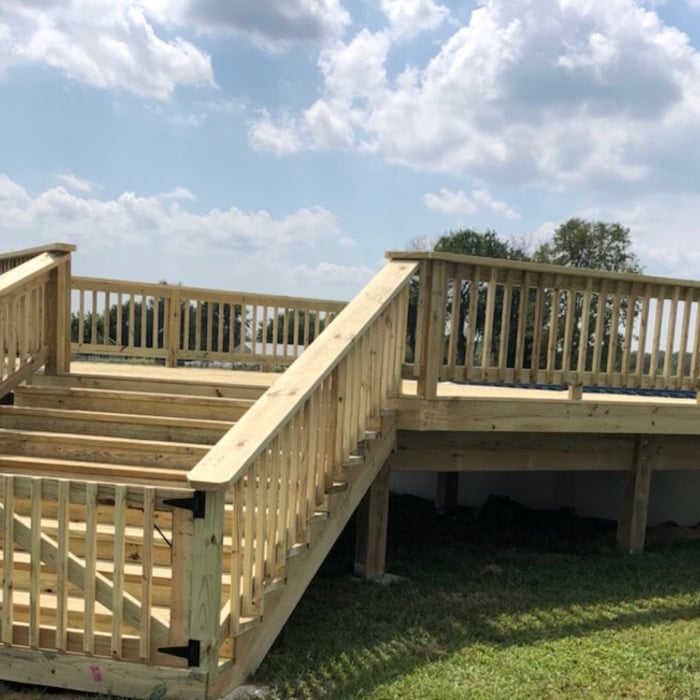
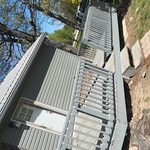
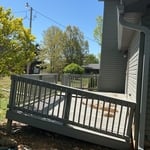
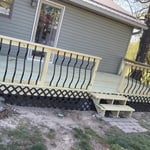
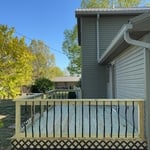
"Did a great job staining my fence and deck. Professional, friendly and very reasonable on his price. I will certainly have him back for some other jobs in the spring. I would definitely recommend him."
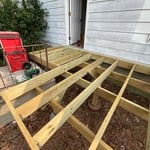
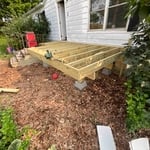
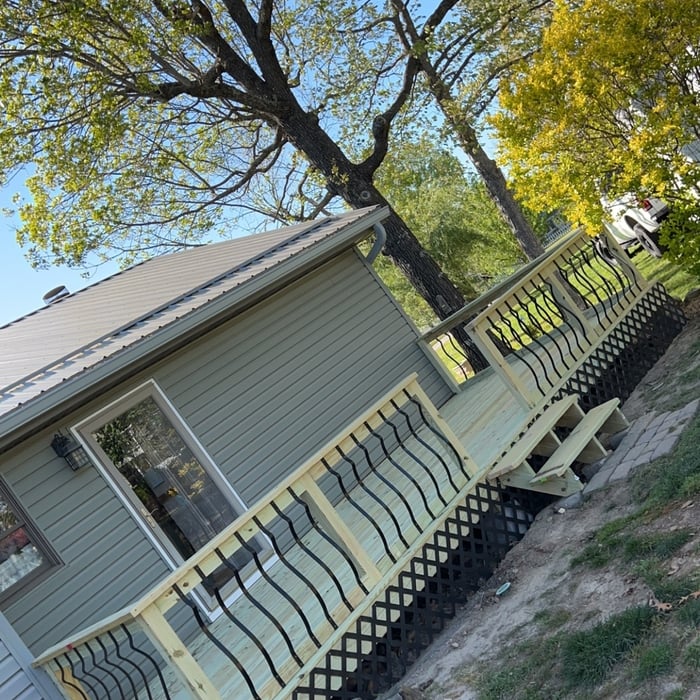
Before picture
Before Picture
Before Picture
After Picture
After picture

+1

Response time12 hrs
6 neighbors recently requested a quote
Recommended by83%of homeowners
...
Showing 1-10 of 57
Deck Repair questions, answered by experts

Ideally, a gate should be able to swing both in and out. However, if it can only open in one direction, it is generally best for it to swing inward. This is often the safest option, especially for deck gates near steps, as you'll want the gate to swing away from the stairs. An inward swing also prevents the gate from opening into a public space, like a sidewalk, and can be more convenient when carrying heavy items like a wheelbarrow into a garden.

There are exceptions, however. The layout of your property may require a different approach. For example, if your property is on a slope, the gate may not be able to swing inward. You should also ensure the gate can open fully without colliding with any objects or blocking access to other areas. For a backyard garden gate where public access isn't a concern, the direction it swings is largely a matter of personal preference. Finally, always check your local building codes, as they may have specific requirements for which way a gate must swing.

Cutting the boards directly is one of the fastest ways to remove deck boards with hidden fasteners. Mark two parallel lines that are one-third of the total measurement on both ends and cut out the centerpiece. Then, remove the end of the board that doesn’t have a fastener. Finally, pry open the fastened side and pull it up to pop out the screw or access the fastener. This also allows you to salvage portions of boards for other projects.

Finding a reputable deck builder should start with speaking with a local company and asking for samples of past work and references. You can review the company’s workmanship and speak with past customers to learn what the customer service was like throughout the process. It’s also a good idea to read online reviews and check the Better Business Bureau (BBB) website to see if the company has a history of customer complaints. If you can get a referral from a family member or friend, that’s another great option.

When installing deck boards, screws are generally a better option than nails. Screws offer superior holding strength over time, keeping the boards securely in place. In contrast, nails are more likely to pop out, which can create a tripping hazard. While you can use either, we recommend using 3-inch galvanized deck screws. To minimize the risk of cracking the wood, it's a good practice to drill small pilot holes before driving the screws into the deck joists.

No, termites do not eat Trex or any other composite decking brand. Termites eat cellulose, of which composite decking like Trex contains very little compared to natural wood. This feature can help justify the higher Trex decking costs if you live in an area with abundant termites.

The Mansfield, MO homeowners’ guide to deck repair services

From average costs to expert advice, get all the answers you need to get your job done.