

R&J Solar LLC
Energy Audit - For BusinessHome Energy Audit
Serving Linn, MO and surrounding areas
In business since 2022
Free estimates
Credit card accepted
"They are in the process of sending out an engineer"

+3
Recommended by100%of homeowners

*The Angi rating for Energy Efficiency Auditing companies in Linn, MO is a rating based on verified reviews from our community of homeowners who have used these pros to meet their Energy Efficiency Auditing needs.
*The HomeAdvisor rating for Energy Efficiency Auditing companies in Linn, MO is a rating based on verified reviews from our community of homeowners who have used these pros to meet their Energy Efficiency Auditing needs.
Last update on October 17, 2025
Serving Linn, MO and surrounding areas
In business since 2022
Free estimates
Credit card accepted
"They are in the process of sending out an engineer"
+3
Serving Linn, MO and surrounding areas
In business since 2021
Free estimates
Credit card accepted
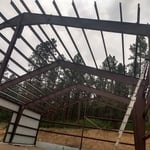
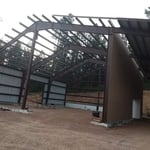
"First of all these men are extremely friendly! One of the most efficient crews I’ve ever witnessed! I’ll be hiring these guys for every job for here on out. All around good people and excellent work! I’m so happy with the work they’ve done. A true home improvement!"


Serving Linn, MO and surrounding areas
In business since 2019
Free estimates
We take great pride our experience, expertise, quality, and customer service that we provide to meet the consumers' needs. It is our mission to provide excellent workmanship, and complete customer satisfaction from start to completion of a project. order to understand the needs, and expectations of our customers, we take great care to work, and communicate with every customer a professional manner. Our reputation is based on service, safety, and quality, regardless of how large or small the job.
Serving Linn, MO and surrounding areas
In business since 2005
Free estimates
Mid MO Inspectors will provide you or your business with a full service approach to all your inspection needs. Please feel confident in contacting Mid MO Inspectors for your next inspection.


+5
Serving Linn, MO and surrounding areas
Quality Home Inspections Plus, LLC is the solution to all of your home inspection needs. We take great pride in our extreme professionalism, timeliness, and superior customer service on every job. We make sure to develop a lasting relationship, so that the next time service is needed, there will be no question on who to call. Satisfaction guaranteed!
From average costs to expert advice, get all the answers you need to get your job done.

Discover the average home energy audit cost, what impacts pricing, and how to save money on your audit. Get transparent, expert-backed cost info for homeowners.
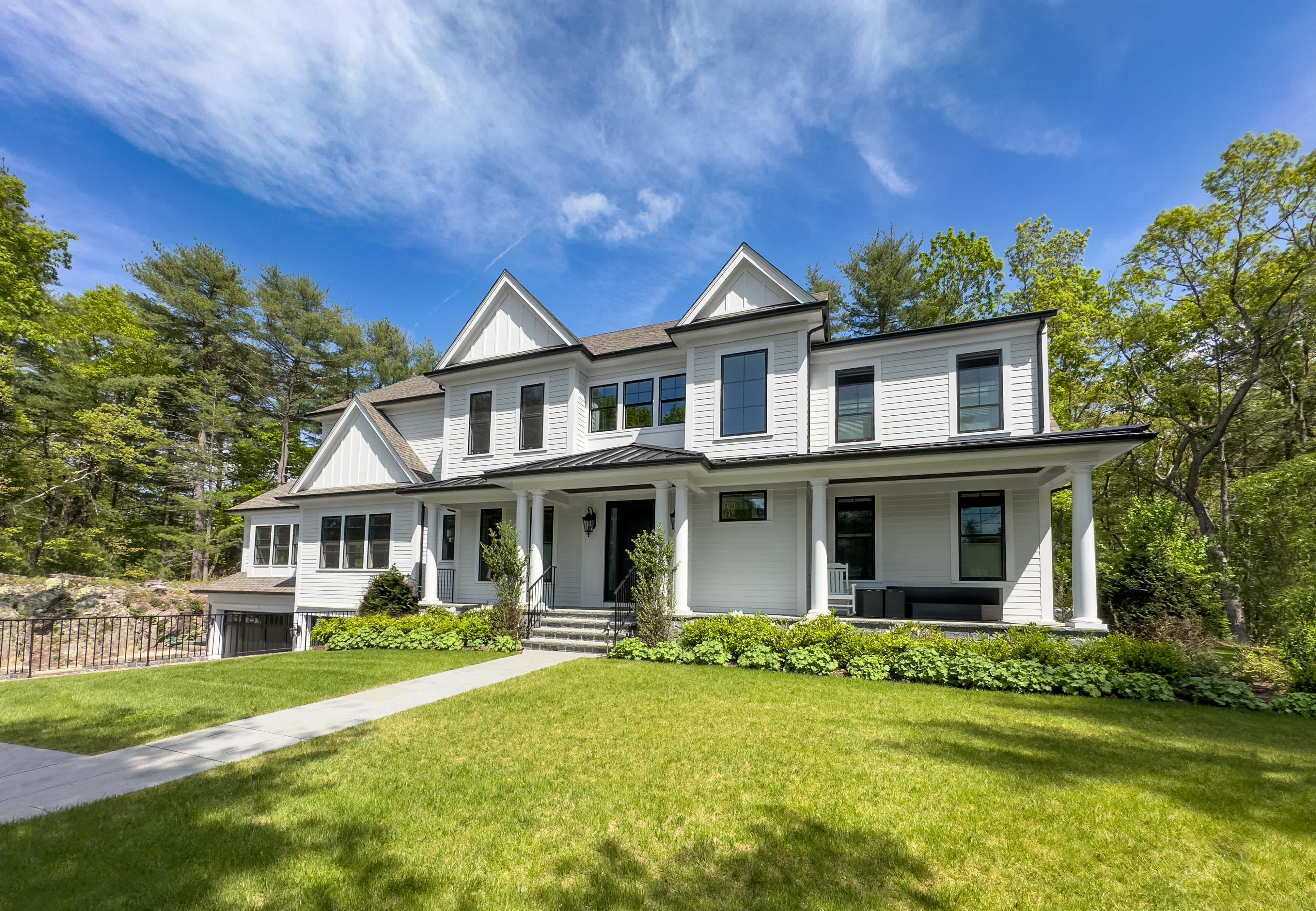
Get a detailed breakdown of thermal imaging home inspection costs, including average prices, cost factors, and tips to help homeowners budget.
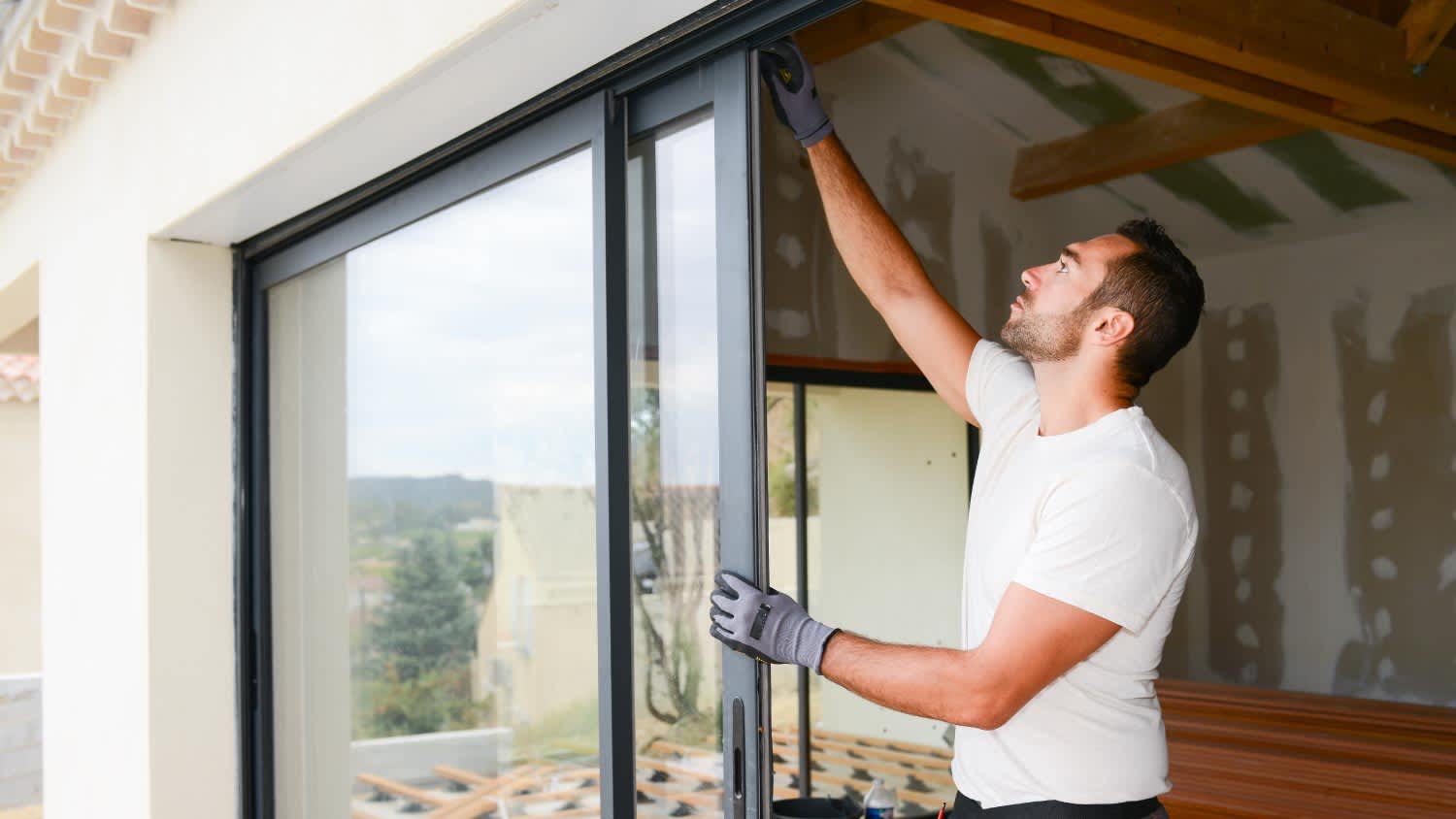
Discover the energy-efficient window costs. Learn about installation prices, cost factors, and tips to save money on your window upgrade.

Wondering what an energy audit is and how it can help keep you safe? Keep reading to learn about home energy audits and how they can save you money.

A home energy audit is a detailed write-up of how to lower your utility bills and increase your comfort level. Find out if they’re worth the cost.
Thinking about scheduling a home energy audit? Learn how to improve energy efficiency, lower your utility bills, and hire the right local pro for the job.