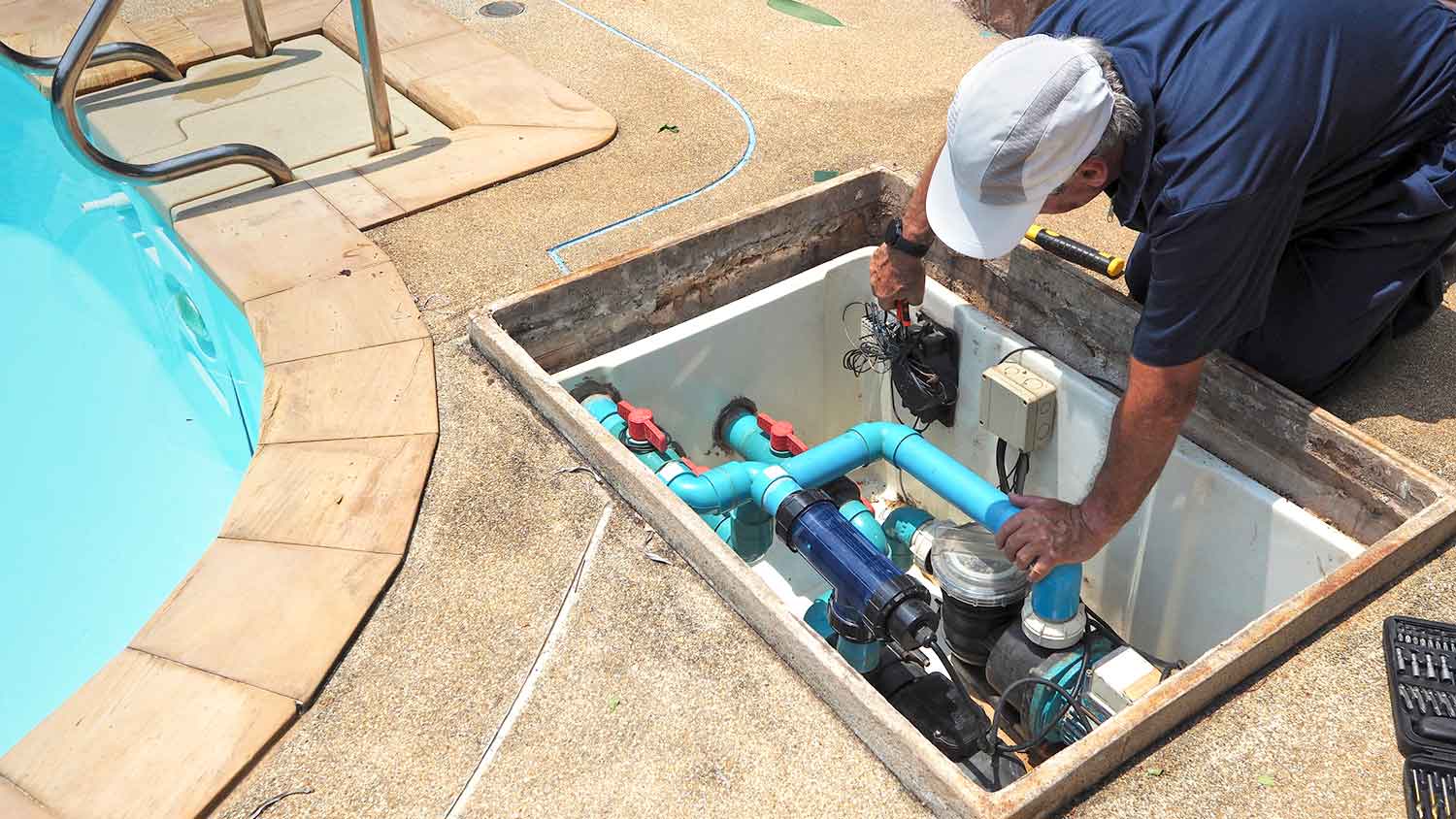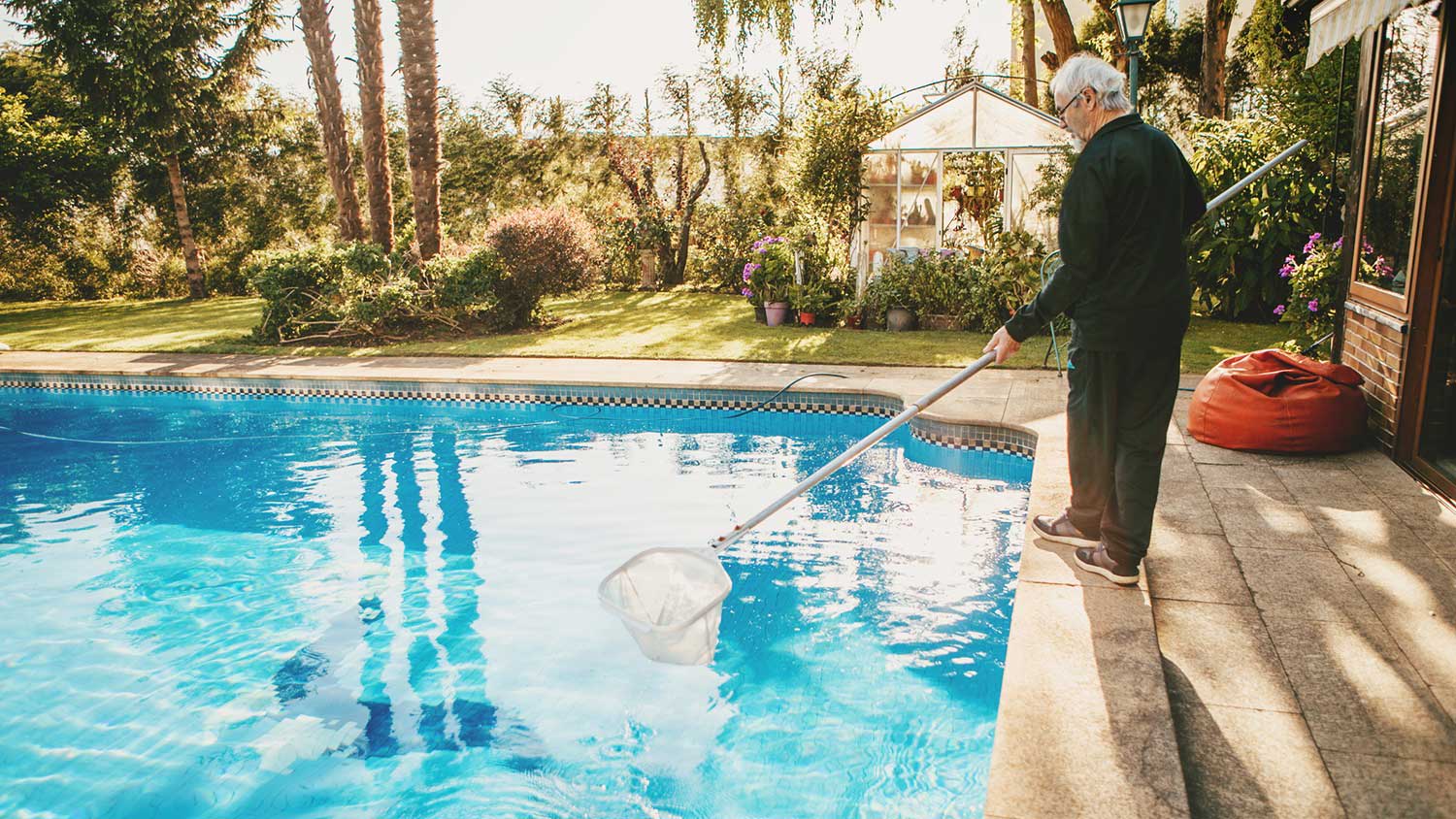







Top-rated pool and spa technicians.

Best pool and spa technicians near Lancaster, MO

Enter your zip and get matched with up to 5 pros

Need a pro for your pool and spa servicing project in Lancaster, MO?

Select your specific project to find the pro for you.

Top-Rated Pool and spa technicians in Lancaster - Updated Nov 2026

Avatar for American Home Shield – Home Warranty
American Home Shield – Home Warranty
3.5(
5,689
)
Above Ground Swimming Pool or Accessories - Repair or ServiceHot Tub or Spa - Repair or ServiceIn Ground Swimming Pool or Accessories - Repair or Service+6 more

Serving Lancaster, MO and surrounding areas

In business since 1971

Credit card accepted

"Rather than fix the issue the first 2 calls, more refrigerant was pumped into the system. This cost me $75 for each call plus the cost of the refrigerant. The 3rd time, they fixed a valve and refilled the refrigerant and I am monitoring to see if this really fixed the problem. So I am out $225 for service calls fro the same problem and the cost of the refrigerant. I think they take this approach intentionally."
Additional Photos
Additional Photos
Additional Photos
Additional Photos
Additional Photos

+2

Recommended by65%of homeowners
Pool and Spa Servicing FAQs, answered by experts

Regular water testing, filter cleaning, and chemical balancing are essential for keeping water clean and equipment functional.

Yes, but only if it is a freshwater tub (not saltwater) and if you make sure the chlorine and bromine levels are below 1 ppm.

In most cases, it is safe to clean a hot tub with vinegar. You will want to verify that your hot tub manufacturer lists vinegar as a safe cleaning product; however, given that vinegar is chemical-free, cleans, deodorizes, and is safe for people and pets, it is usually a good option. You can use vinegar to clean the hot tub shell, interior and exterior spa surfaces, hot tub jets, hot tub filter, and other parts. It is considered a strong, safe, and natural cleanser that can kill bacteria, remove mold and mildew spores, erase water spots, and remove hard water stains.

Biofilm growth can cause a hot tub to feel slimy. Hot tub biofilm is a slimy substance that’s typically due to natural contaminants like makeup, soaps, skin oils, deodorants, or lotions. A hot tub can also have a slimy interior or slimy water if the tub’s filters are old or damaged, or if the hot tub isn’t properly cleaned. You should drain your hot tub, wipe away any slimy residue, then refill the water and use a spa purge product that prevents the buildup of biofilm.

Yes, hot tubs can use a significant amount of electricity, primarily to keep the water heated. A typical hot tub uses between 1,500 and 6,000 watts, and the pump can add another 1,500 watts. This usage can result in a monthly cost of around $20 to $30. The exact amount of electricity consumed depends on several factors, including the hot tub's age, size, heater voltage (120V vs. 240V), usage habits, and thermostat setting. Newer, energy-efficient models generally use less power than older ones. To reduce electricity costs, consider investing in an energy-efficient model, using a quality insulated cover with a thermal blanket, and keeping the filters clean.

The Lancaster, MO homeowners’ guide to pool and spa services

From average costs to expert advice, get all the answers you need to get your job done.