






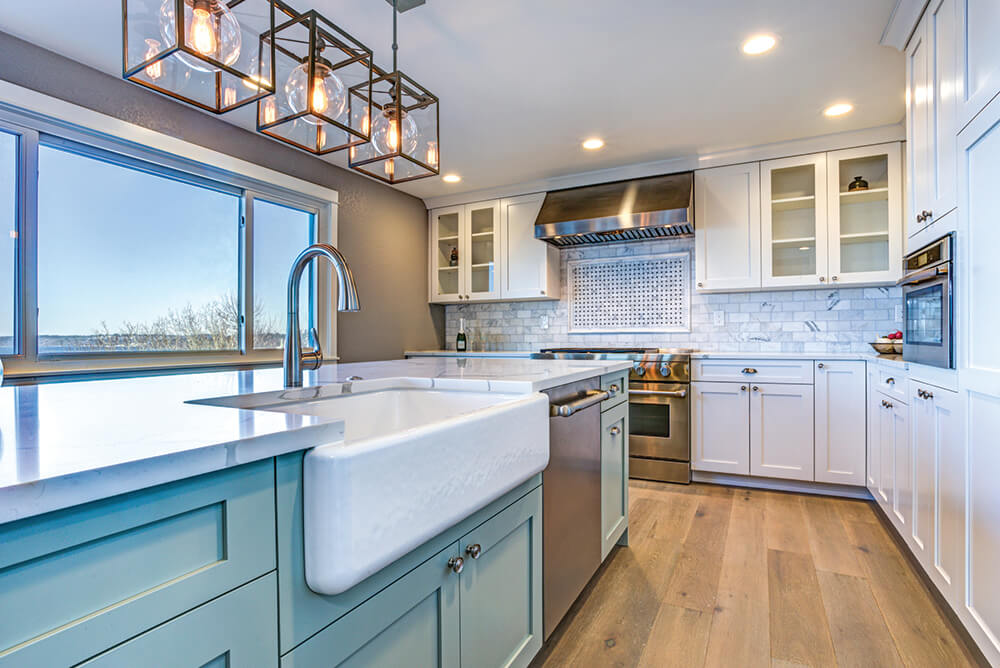
Sink installation costs depend on the type of sink, the material, and the labor. This guide can help you budget for your project—from pedestal to farmhouse.
 4.4
 25
*The Angi rating for Sink Repair companies in Holcomb, MO is a rating based on verified reviews from our community of homeowners who have used these pros to meet their Sink Repair needs.
*The HomeAdvisor rating for Sink Repair companies in Holcomb, MO is a rating based on verified reviews from our community of homeowners who have used these pros to meet their Sink Repair needs.
Last update on June 22, 2026
From average costs to expert advice, get all the answers you need to get your job done.
Sink installation costs depend on the type of sink, the material, and the labor. This guide can help you budget for your project—from pedestal to farmhouse.
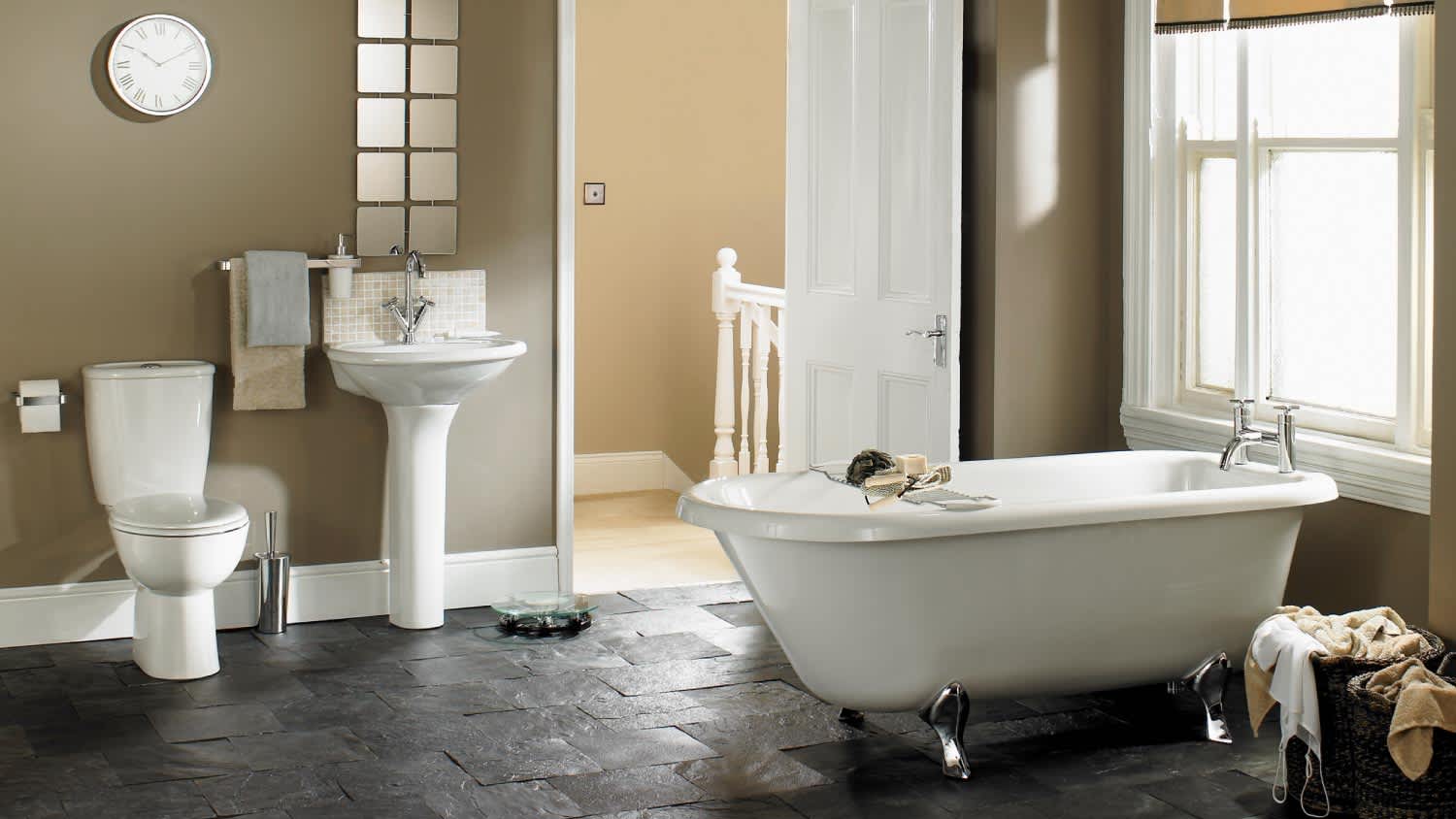
Pedestal sinks are small bathroom wonders, but how much does a pedestal sink installation cost? Learn the cost factors for adding one to your bathroom.
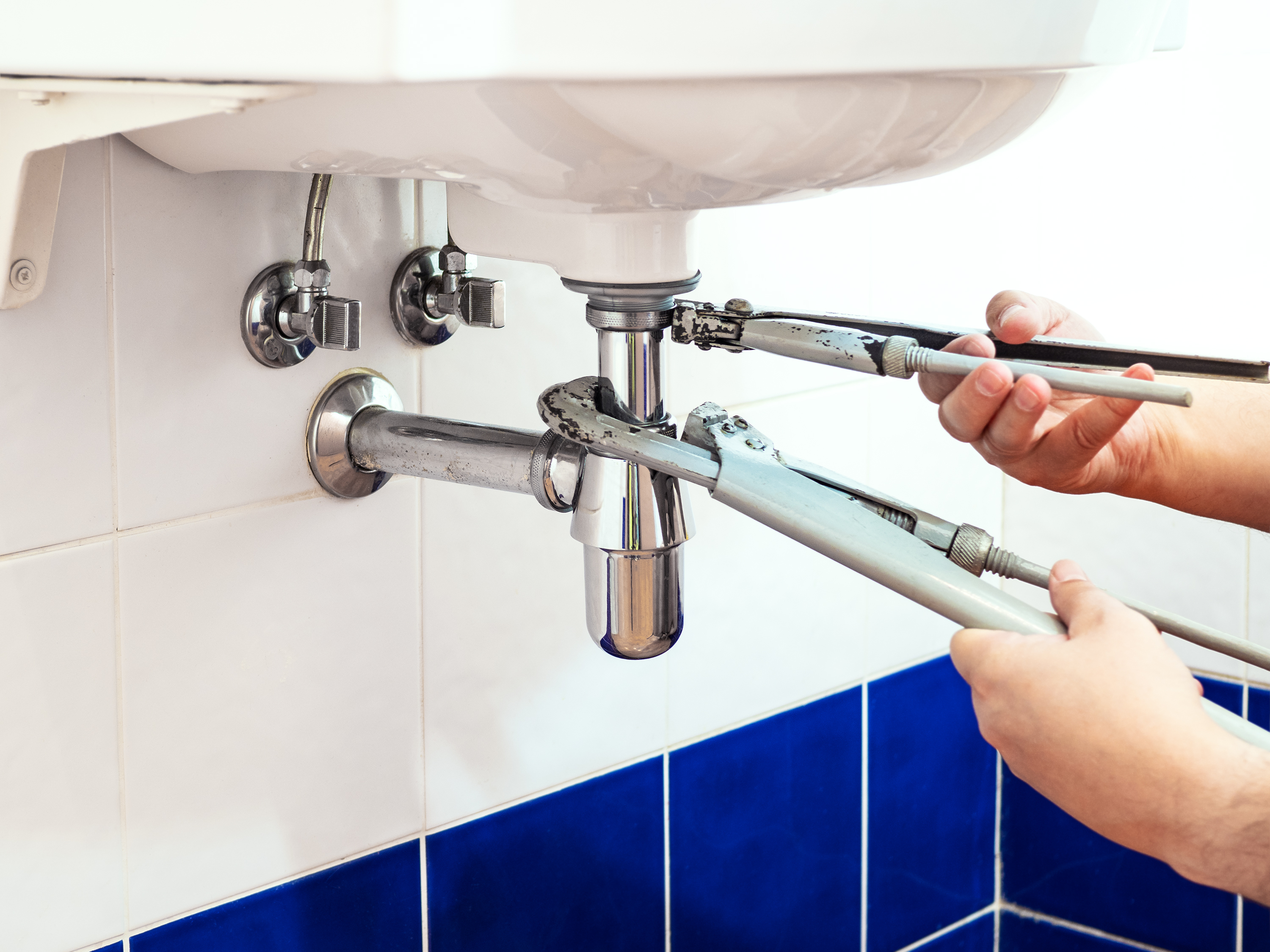
Got a leak under your sink? Here’s who to call to diagnose and fix the problem before you get flooded out.
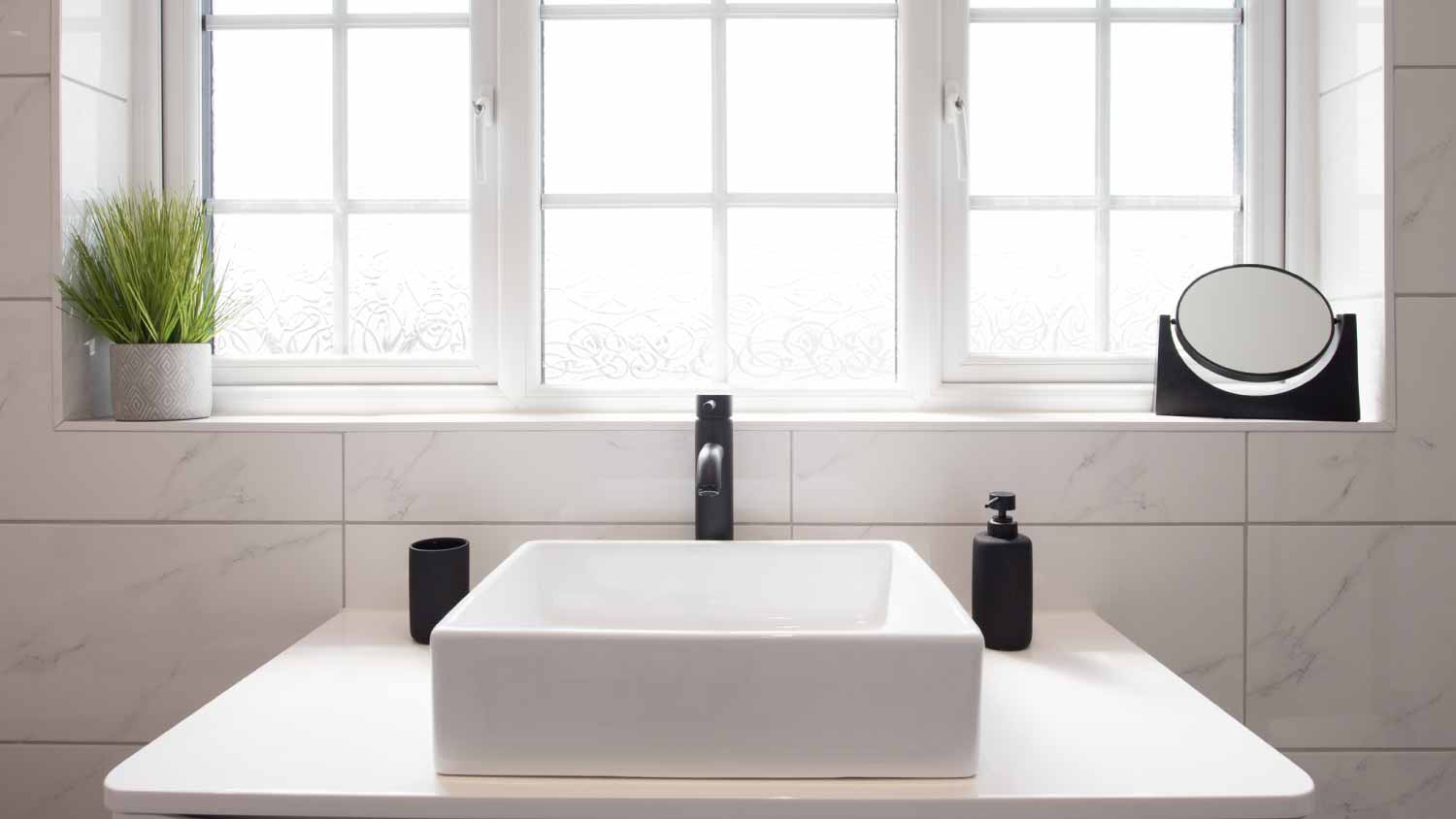
A sink has many hidden working parts. Understanding how the parts of a sink work is essential for maintaining your sink for years to come. This guide will help.

Dealing with a leaky basin or cracked fixture? Learn about sink install or repair costs, warning signs, and how to hire the right local plumber.

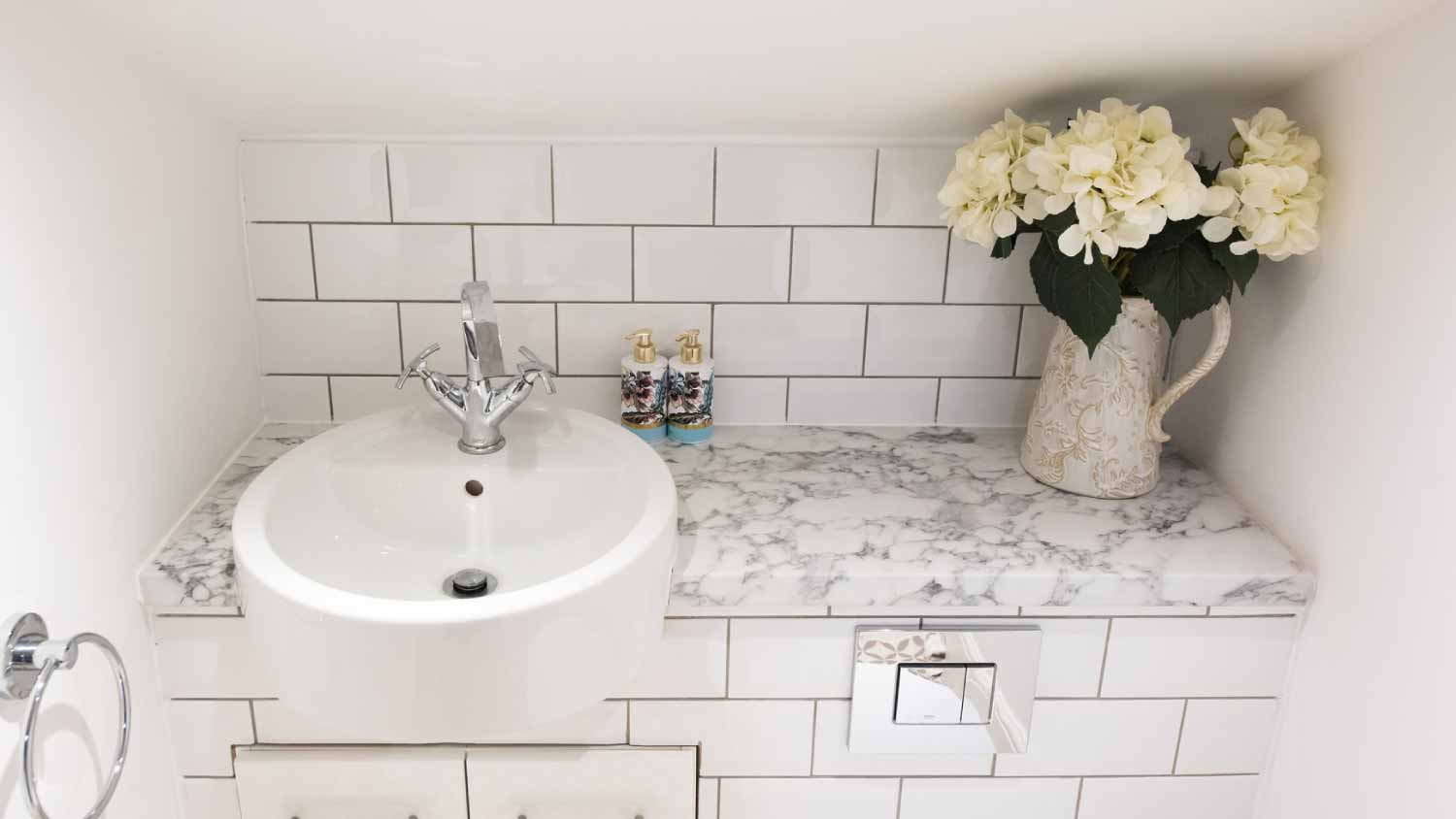
Your kitchen sink plumbing has many hidden components, but learning its parts can help you tackle minor problems and keep your plumbing running smoothly.