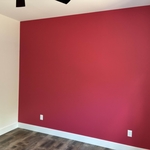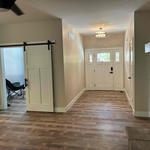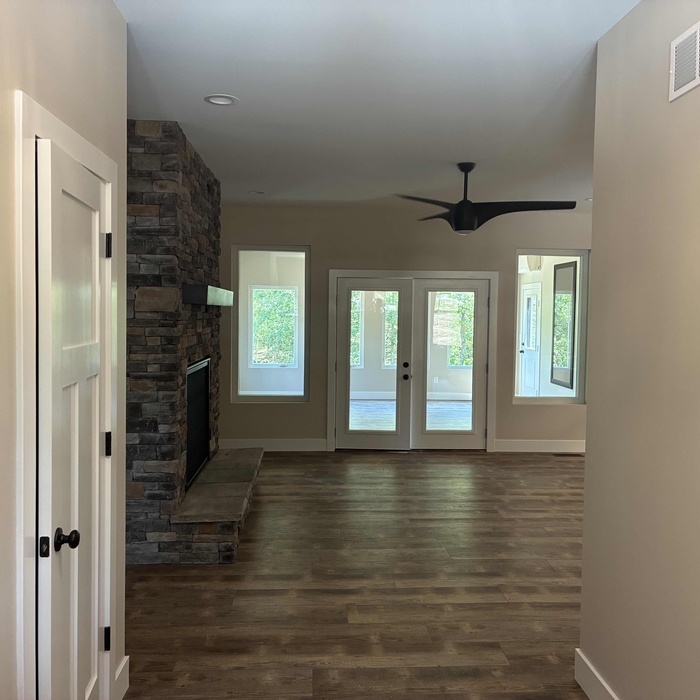




Top-rated painters.

Get matched with top painters in Hawk Point, MO

Enter your zip and get matched with up to 5 pros

Need a pro for your painting project in Hawk Point, MO?

Select your specific project to find the pro for you.

TRUSTED BY HAWK POINT, MO HOMEOWNERS

  • Average homeowner rating star icon4.6
    Average homeowner rating
  • Verified reviews icon51
    Verified painting services reviews

Find Painters in Hawk Point

Paint Plus
New to Angi
Painting or Staining - Small Projects

Serving Hawk Point, MO and surrounding areas

Approved

In business since 2010

Free estimates

Credit card accepted

We are a locally owned and operated company that values honesty and integrity and treats your home as if it were our own. We offer a variety of services that are customizable to each individual project. You will find us to be competitively priced, paying close attention to the details of each and every project that we are involved with. We look forward to building lasting relationships and guarantee your satisfaction!

C-MAC Development, LLC
New to Angi
Interior Painting or Staining: 1 - 2 RoomsInterior Painting or Staining: 3 - 4 RoomsInterior Painting or Staining: 5 + Rooms

Serving Hawk Point, MO and surrounding areas

Approved

In business since 2012

Free estimates

Credit card accepted

C-MAC Development, LLC offers quality services to clients at reasonable prices. Our courteous staff has the professional tools and experience necessary to help with all your needs. We specialize in interior and exterior painting, kitchen and bath remodels, flooring, window installations, fences and decks. Call today to get in touch with our staff, and to learn more about what we have to offer!

...
Showing 1-10 of 132
Painting questions, answered by experts

Yes, you can limewash surfaces other than brick. Plaster, stone, stucco, and concrete can all also be limewashed. Any porous surface that will absorb the wash is a good candidate for limewash, although it won’t help much with waterproofing. If you choose to limewash over paint, you’ll need to prep before applying it to avoid a powdery, chalky finish. Shiny surfaces like metal or glass can’t absorb limewash, so it’s not suited for these.

There are several ways to make a wooden fence more visually appealing and keep it that way for years to come.

  • Treat the fence with a wood sealant to protect it against the elements. It’s recommended to reseal a fence every two to three years, but if you live in a harsh climate, you may want to do it more frequently than that.

  • Restore the fence if it’s old, corroding, or fading. That includes cleaning it and making small repairs where needed.

  • Paint the fence in a color that you like, whether that’s a simple white or more vibrant option. Fences usually need to be repainted every one to three years.

  • Decorate the fence with planters, string lights, birdhouses, mirrors, shutters, and more.

Yes, you can waterproof any wood that has not already been treated. A good way to test this is to splash some water on it. If the water starts to bead up, the wood is treated and most likely doesn’t need another coating.

Wood stain does go bad, but it will last in the can for between three and six years, provided you use proper storage techniques. Storing wood stain in open containers or in extremely low or high temperatures will cause your wood stain to become unusable much more quickly. Water- and latex-based wood stains typically last for just two to four years, while oil-based wood stains can last for three to six years.

Staining or sealing a cedar deck or fence is highly recommended to extend its lifespan and protect it from the elements. While cedar is naturally resistant to mold and mildew, it is not impervious to damage from moisture, sun exposure, splintering, fading, and rot over time. Applying a protective finish creates a shield that preserves the wood's strength and appearance, potentially extending its life by five to 10 years.

When choosing a finish, it's helpful to understand the difference between a sealer and a stain. A sealer sits on top of the wood, whereas a combination stain and sealer soaks into the top layer. Because it penetrates the wood, a stain generally offers better protection against UV damage and rot and lasts significantly longer. For the best results that also preserve the wood's natural color, consider using a near-translucent stain.

To maintain protection, plan on reapplying the stain or sealer every two to three years, either as a DIY project or by hiring a professional.

The Hawk Point, MO homeowners’ guide to painting services

From average costs to expert advice, get all the answers you need to get your job done.