
Top-rated landscapers.

Get matched with top landscapers in Eminence, MO

Enter your zip and get matched with up to 5 pros

Need a pro for your landscaping project in Eminence, MO?

Select your specific project to find the pro for you.

Find Landscapers in Eminence

KKS Concrete Construction LLC
New to Angi

Serving Eminence, MO and surrounding areas

Approved

In business since 2012

Free estimates

Offers commercial services

We have a single mission: Complete Customer Satisfaction! We have consistently focused on the needs of our customers, providing personalized attention and a stress-free experience.\nYou will find us to be competitively priced with close attention to the details.\nOur reputation is based on service, safety, and quality, regardless of how large or small the job.\nWe look forward to building a lasting relationship and guarantee your satisfaction!\n

4 neighbors recently requested a quote
Avatar for Down & Dirty Land Clearing LLC
Down & Dirty Land Clearing LLC
5.0(
11
)

Serving Eminence, MO and surrounding areas

In business since 2019

Free estimates

Credit card accepted

"Very professional and friendly. The owner listens to what is wanting to be done and worked with me to get it done. They performed the job as if they were working on their own property and paid attention to detail. The project was done quickly and the price of the project is the best I could find and I would DEFINITELY recommend Down and Dirty Land Clearing for anyone looking to get anything done."
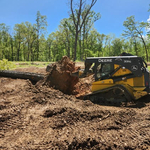
Resort building
Resort building
Resort building
Resort building
Resort building

+5

11 neighbors recently requested a quote
...
Showing 1-10 of 86
Landscaping questions, answered by experts

Yes, you can absolutely transplant bushes instead of removing them completely. The success depends on the size of the bushes, their age, and the transplanting season. Ideally, transplant during the dormant season (late fall or winter). Dig out the entire root system in one piece, fill the new hole with fresh soil and mulch, and water thoroughly after planting.

It depends. Smaller, younger trees take longer to mature, but they're more resilient, their roots don't get as damaged during transplanting, and they recover faster. Plus, they're much more affordable to plant, and it's possible to DIY the planting. 

On the other hand, mature trees produce fruit faster and provide more shade and privacy immediately. Ideally, a small or medium tree is the better choice if you can wait a few years for it to mature. But if you need immediate maturity, a larger tree is the only option.

A green home is one that focuses on conservation, with the goal often being net-zero carbon emissions and self-sustainability. It will often include some kind of self-generation equipment, like solar panels or a small wind turbine, high-efficiency electrical components and mechanicals, and high-quality insulation and air sealing to reduce the loss of conditioned air. Many green homes also include xeriscaping or rainwater collection to cut down on drainage and water consumption.

The best type of rock for landscaping depends on your specific project and needs, as different rocks are suited for different applications. For covering large areas or creating an affordable driveway, consider gravel, but note that it can wash away in flowing water. For water features, river rocks are a good option. Flagstone and cobblestone are ideal for aesthetically pleasing patios and walkways. If you are building a stone wall, fieldstone or small boulders are up to the task. Large boulders and landscape rocks work well as statement pieces, to fill empty space, or to indicate boundaries, but be mindful that they can overwhelm smaller gardens. The best approach is to first define your landscaping project and then select the rock type that best fits that purpose.

Unless it only rains once in a blue moon where you live, you’re going to want water-loving plants in your garden bed or pot. A few ideas for plants that aren’t super fast-growing (meaning they’re good in pots or near foundations) and can handle a lot of standing water include: 

  • Acorus (Sweet flag)

  • Colocasia esculenta (Taro or elephant ear): In many climates, these are annuals, making them less desirable because you need to adjust the chain again after each replant.

  • Equisetum scirpoides (Dwarf horsetail rush): non-dwarf varieties of horsetail are fast growers and can take over quickly.

  • Juncus effusus (Curly rush)

  • Osmunda regalis (Royal fern): Royal fern can grow quickly but can also handle being crowded, making them good container plants.

The Eminence, MO homeowners’ guide to landscaping services

From average costs to expert advice, get all the answers you need to get your job done.