





Top-rated driveway sealcoating pros.

Best driveway sealcoating pros near Eagleville, MO

Enter your zip and get matched with up to 5 pros

Need a pro for your driveway sealcoating project in Eagleville, MO?

Select your specific project to find the pro for you.

Top-Rated Driveway sealcoating pros in Eagleville - Updated Nov 2026

Avatar for Sawyer Property Maintenance
Sawyer Property Maintenance
5.0(
3
)
Asphalt SealingAsphalt Sealing- For Business

Serving Eagleville, MO and surrounding areas

Approved

In business since 2025

Free estimates

Offers commercial services

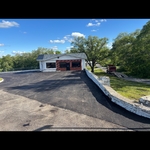
"They were very prompt and were very detailed about the project and all the specifics. They had a very well mannered crew they showed up redone my entire parking lot and it looks absolutely beautiful. The drainage is on point. It looks as if they were never there. they’re cleanup. Crew was amazing and the great thing is they had a lot of other work going on and they squeezed my 15,000 square-foot job in like it was nothing and took really good care of me. I would highly recommend them any day of the week."
Paving
Paving
Paving
Paving
Paving

+1

1 neighbors recently requested a quote
Driveway Sealcoating FAQs, answered by experts

Asphalt dries and cures best between 50 and 85 degrees Fahrenheit. This range allows moisture to evaporate quickly without causing the asphalt to cool too fast, which can negatively affect the drying process. However, keep in mind that other weather conditions can also affect curing and drying times, such as precipitation and humidity.

Yes, they fill all cracks and potholes to ensure a smooth, durable finish that protects the underlying asphalt.

Oil-based sealers generally offer longer results for driveways in cold climates. If you experience extreme temperatures, oil sealants offer a level of flexibility that makes them expand and contract along with the freeze-thaw cycle instead of cracking.

It is not recommended to seal brand-new or uncured asphalt immediately after installation. You should wait at least three months to allow the asphalt time to cure. Applying a seal coat too soon can trap the asphalt's oils and chemicals, preventing it from fully hardening. This can lead to a weaker surface that is more vulnerable to damage. After the initial three-month curing period, applying a seal coat can extend the asphalt's life by protecting it from water, UV rays, and other damaging elements.

Though they may look similar, tar and bitumen come from different sources. Bitumen is a petroleum product—extracted during crude oil refining—and is mostly made up of hydrocarbons. Tar comes from burning down organic materials like coal or wood. Bitumen is strictly oil-based, while tar is a mix of compounds from natural sources. Both are used as binders in paving; however, bitumen is the standard for today’s asphalt. Tar use has mostly faded out of road construction.

The Eagleville, MO homeowners’ guide to driveway sealcoating

From average costs to expert advice, get all the answers you need to get your job done.