






Top-rated marble restoration pros.

Get matched with top marble restoration pros in Duquesne, MO

Enter your zip and get matched with up to 5 pros

TRUSTED BY DUQUESNE, MO HOMEOWNERS

  • Average homeowner rating star icon4.3
    Average homeowner rating
  • Verified reviews icon119
    Verified marble restoration services reviews

Find Marble restoration pros in Duquesne

Avatar for Top Notch Tile and Home Restoration, LLC
Top Notch Tile and Home Restoration, LLC
4.6(
9
)
Tile: Natural Stone (Granite, Marble, Slate, Quartz, etc) - Repair

Serving Duquesne, MO and surrounding areas

In business since 2015

Free estimates

Warranties offered

"Very professional. They came, worked up an estimate, completed the job, and stuck to the quoted price. Now our shower floor doesn't leak anymore and it looks fantastic! Highly recommend. We will definitely use Top Notch again."

BCS
During Remodel
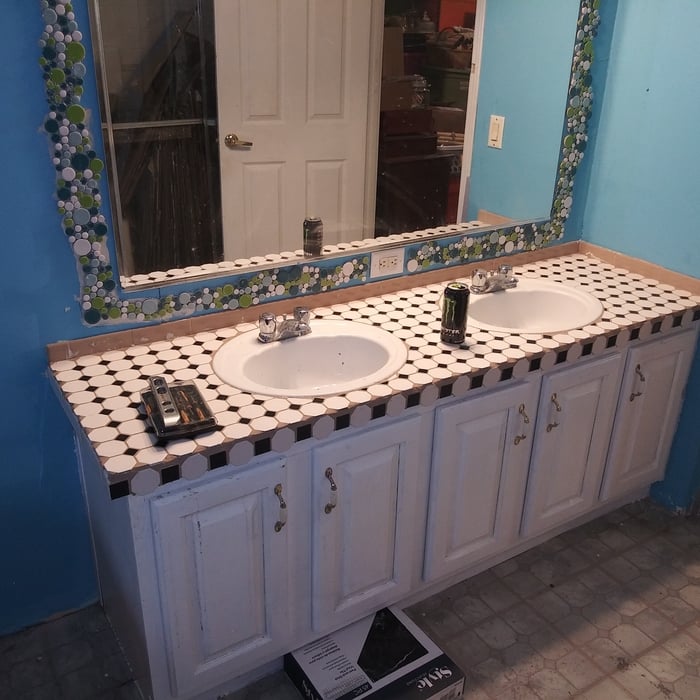
Master Bath Granite Countertop
BCS
BCS

+4

Response time2 hrs
Response rate100%
Recommended by87%of homeowners

LUCIO TILE SOLUTION LLC
5.0(
1
)
Tile: Natural Stone (Granite, Marble, Slate, Quartz, etc) - Repair

Serving Duquesne, MO and surrounding areas

In business since 2023

Free estimates

Credit card accepted

We take great pride in our experience, expertise, quality, and customer service that we provide to meet the consumer's needs. It is our mission to provide excellent workmanship and complete customer satisfaction, from the start to the completion of a project. In order to understand the needs and expectations of our customers, we take great care to work and communicate with every customer in a professional manner. Our reputation is based on service, safety, and quality, regardless of how large or small the job.

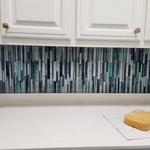
backplash
white backplash
black backplash
shower
shower

+26

Response time10 mins
Showing 1-10 of 34
Marble Restoration questions, answered by experts

Since cesspits must be watertight to prevent leakage and contamination, so they’re typically constructed from one of a few tough materials. Most cesspits are made from fiberglass, concrete, polythene, or steel. Each of these materials carries certain advantages—fiberglass, for example, is resistant to corrosion but may be more prone to cracking if it’s at high capacity.

Yes, Corian® and other solid surface materials can be cut with standard woodworking tools, such as a circular saw or a jigsaw. However, it is crucial to use the correct type of blade to avoid damaging the material.

For a circular saw, a tungsten carbide-tipped blade is required; a triple chip grind blade is highly recommended. For a jigsaw, you should use a fine-tooth down-cutting blade. Do not use blades designed for cutting wood, as they can cause microfractures that weaken the edges of the countertop. A diamond blade is also unnecessary, as those are designed for harder materials like natural stone, which Corian is not.

After cutting, the edge will be rough. It is essential to sand and smooth the cut edge to prevent microfractures, which can eventually compromise the integrity of the countertop.

Engineered stone is known for its durability, lasting 15 to 20 years or longer. Of course, this range assumes high-quality materials and regular maintenance. After a couple of decades, the stone will start showing its age. Watch for discoloration, fading, stains, and burns, but it’s unlikely that engineered stone will experience structural failure.

The frequency for sealing marble countertops depends on several factors, including the quality and color of the stone, the type of sealant used, and the amount of traffic the surface receives. Marble has a porous surface that requires sealing to maintain its shine and resist scratches. As a general rule, you should seal countertops at least once a year. However, for heavily used surfaces, like those in a busy kitchen or family bathroom, you may need to reseal them every three to six months. Conversely, countertops in a rarely used guest bathroom might only need resealing every few years.

There are a few ways to remove calcium buildup in your pipes, but the most natural option involves vinegar, baking soda, and boiling water. To use this method, pour 1/2 cup of vinegar down the drain you're trying to clear, then follow it up with 1/2 cup of baking soda. Place a rag over the drain to create a light seal and leave it for 30 minutes. Remove the rag, then pour a pot of boiling water into the drain. After the water drains, wipe everything down with a sponge.

The Duquesne, MO homeowners’ guide to marble restoration services

From average costs to expert advice, get all the answers you need to get your job done.