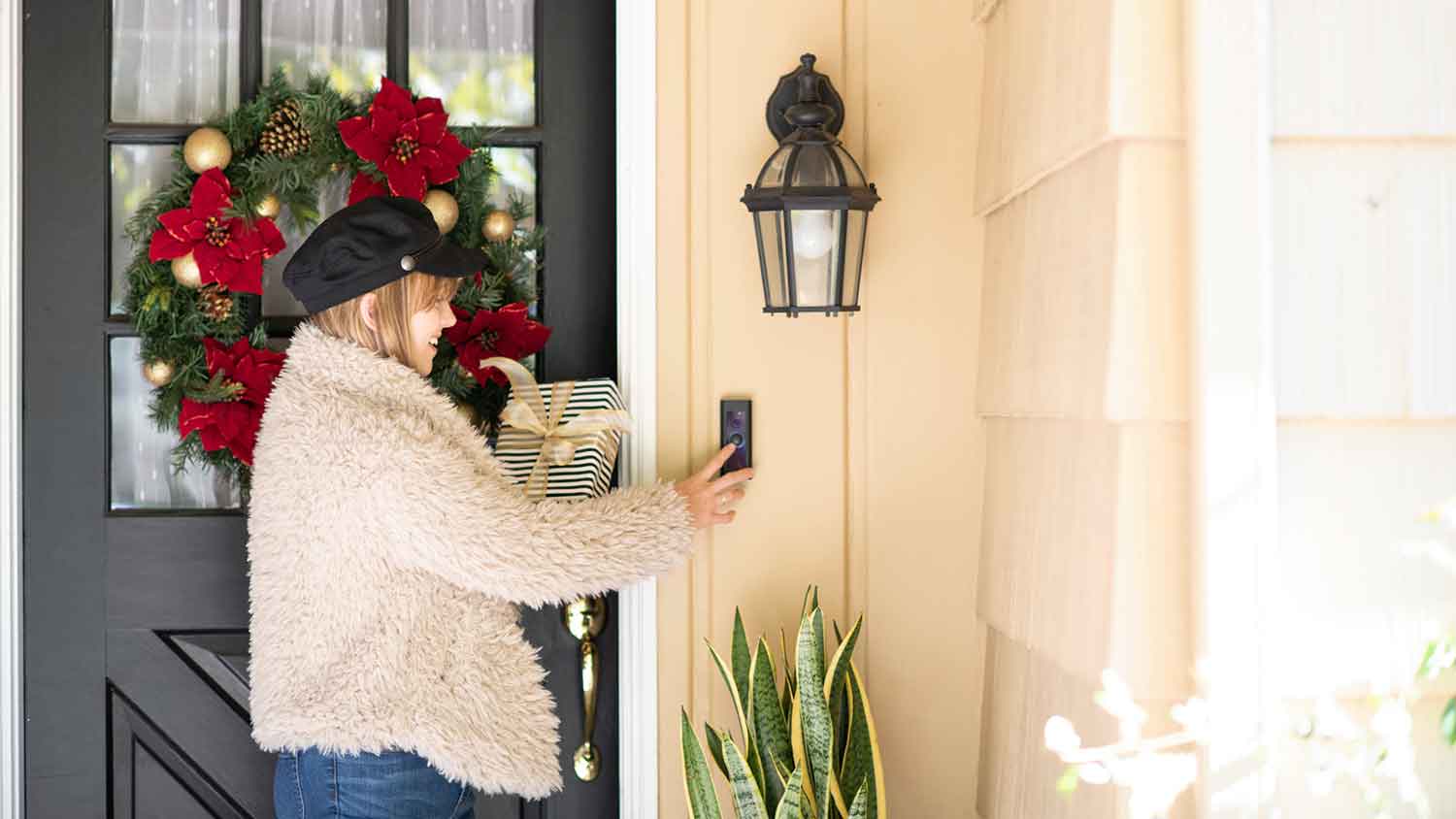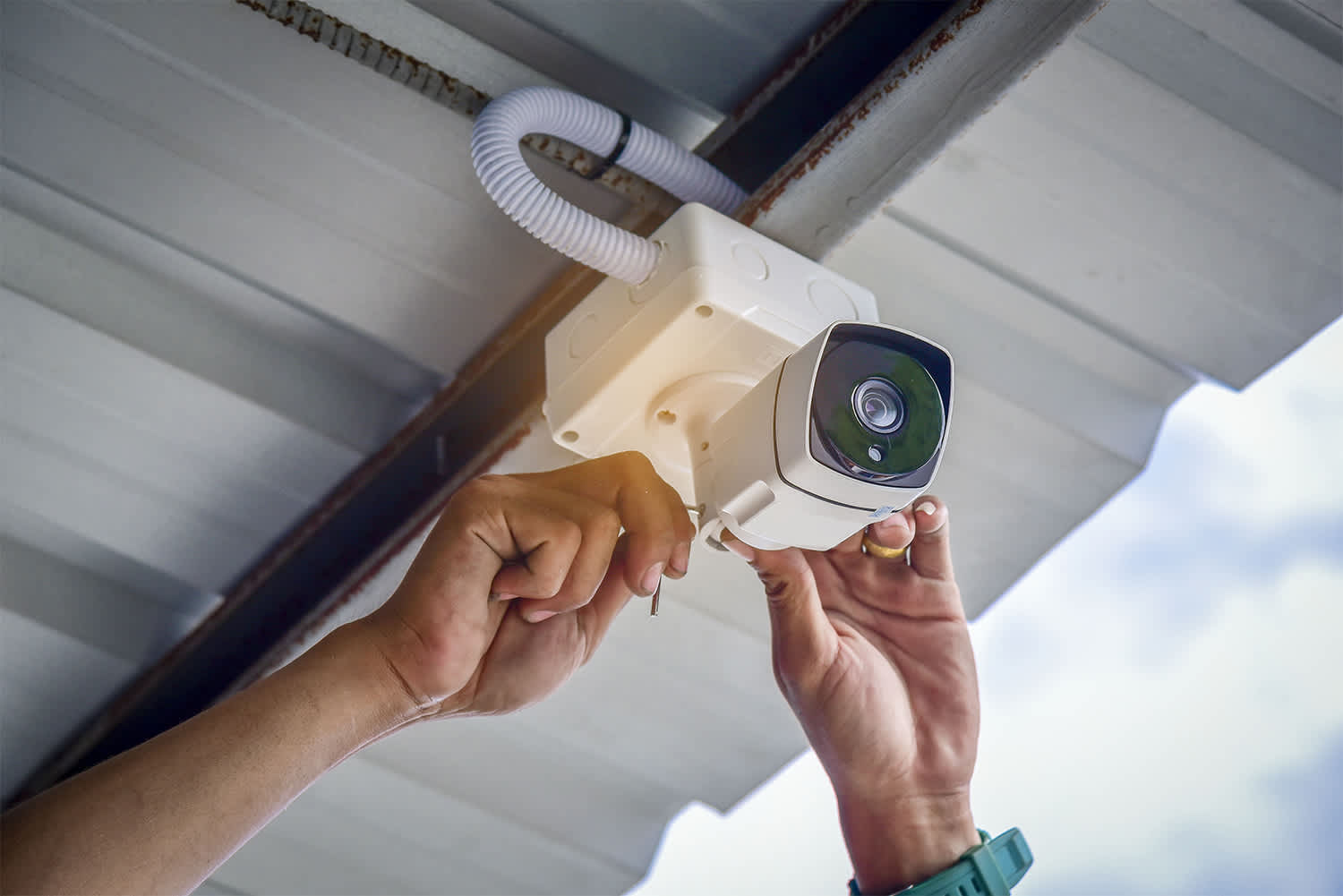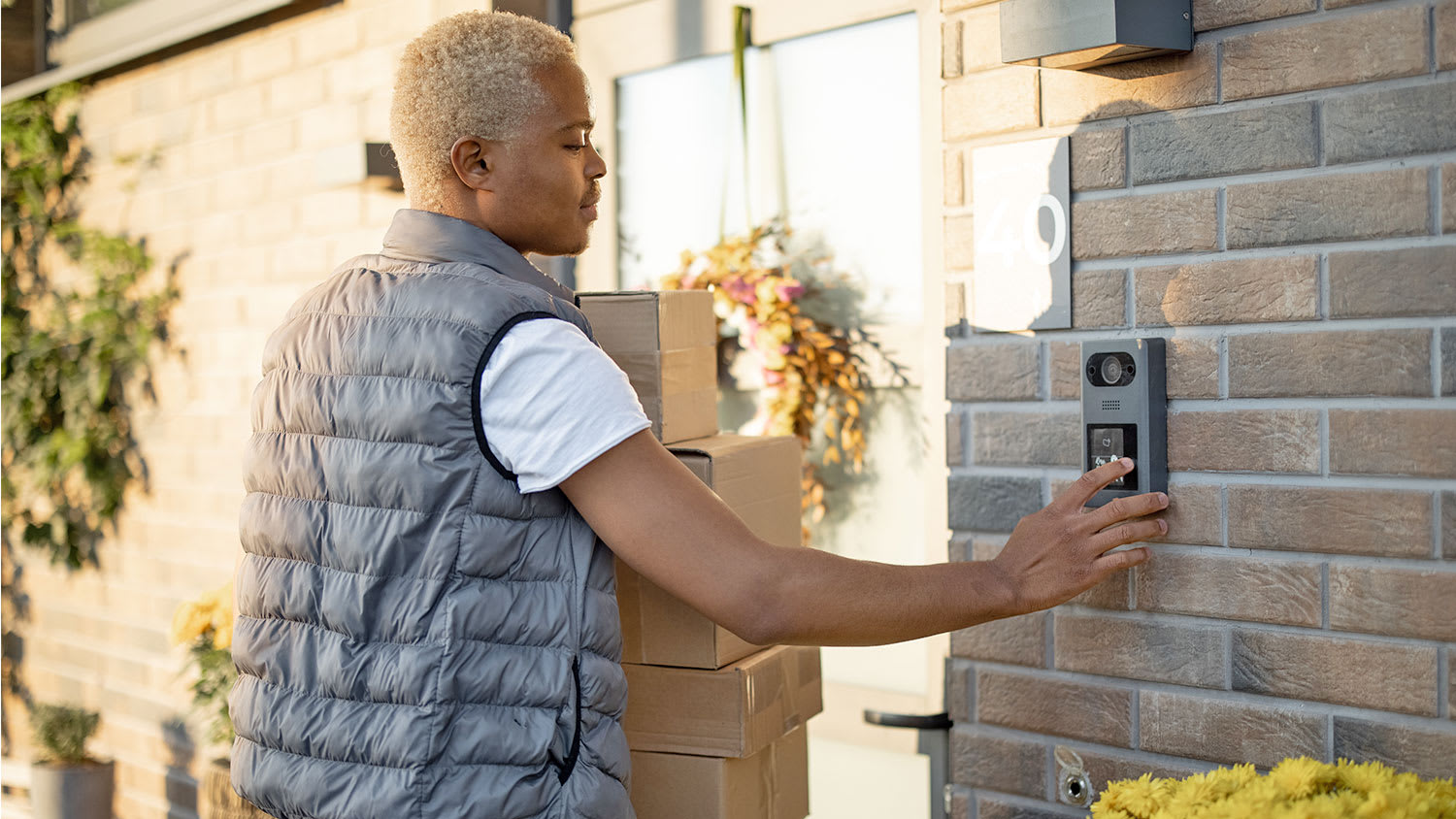

Top-rated doorbell installation pros.

Get matched with top doorbell installation pros in Carthage, MO

Enter your zip and get matched with up to 5 pros

Need a pro for your doorbell installation project in Carthage, MO?

Select your specific project to find the pro for you.

TRUSTED BY CARTHAGE, MO HOMEOWNERS

  • Average homeowner rating star icon4.4
    Average homeowner rating
  • Verified reviews icon160
    Verified doorbell installation services reviews

Find Doorbell installation pros in Carthage

No results for Doorbell installation pro in

Try adjusting your search criteria.
Doorbell Installation questions, answered by experts

Drywall insulation costs around $1,800, on average, but prices can range from $500 to $4,500, depending on a few different factors. The following things are important considerations to make when pricing out your insulation project:

  • Square footage of insulation

  • Type of insulation 

  • Climate in your area and the insulation R-value required

  • Whether or not your walls are already finished

  • Accessibility of the area 

  • Whether or not you need old insulation removed first

If you need to insulate behind finished walls, the best option will likely be to have an insulation professional install blown-in insulation. The installation requires small holes cut in your wall, after which the installer can blow loose-fill insulation into the void. After the installation, you’ll have minor drywall patching, which shouldn’t cost more than $100. Compared to ripping down the existing drywall, using a different type of insulation, and replacing and finishing the drywall, this should save you hundreds or even thousands, depending on the size of the room you’re insulating.

Structural insulated panels and rigid foam boards have the highest R-value of any insulation that contractors commonly use, with R-values reaching up to around 8.0. These types of insulation are best in extremely cold climates, but they’re generally preferred for new construction, as they can be challenging to retrofit. Blown-in and loose fill insulation provide the next best insulative value, provided the installation is done properly. It’s important to choose an insulation type that meets your needs based on climate, as maximizing R-value may not always be financially worthwhile if you live in a moderate climate.

The primary downside of radiant barriers is their limited effectiveness in cold climates. They are designed to reflect radiant heat, making them less beneficial in cooler conditions where heat retention is more important. 

Radiant barriers require proper installation to maximize effectiveness. Incorrect placement can lead to minimal benefits. They also do not provide insulation, meaning they should be used in conjunction with traditional insulation for optimal energy efficiency. 

For standard 2x4 walls, the ideal insulation has an R-value between R-13 and R-15. This level of insulation, typically around 3.5 inches thick, fits well within the wall cavity. Common options include fiberglass batts and spray foam. The best choice for your home can depend on your climate; use R-value maps, like those from Energy Star, to determine the recommended level for your region. For colder climates, you might also consider adding exterior insulation for greater efficiency. Always check with your local building codes to ensure you meet any required standards.

The Carthage, MO homeowners’ guide to doorbell installation services

From average costs to expert advice, get all the answers you need to get your job done.