








Get matched with top deck staining pros in Campbell, MO
Top-rated deck staining pros.

Need a pro for your deck staining project in Campbell, MO?

Select your specific project to find the pro for you.

Find Deck staining pros in Campbell

Avatar for Siding Repair Systems
Siding Repair Systems
4.5(
128
)

Serving Campbell, MO and surrounding areas

In business since 2009

Free estimates

Credit card accepted

"Things went well. The work was done meticulously. They cleaned up every day and communicated well as to any stoppage. i.e. Weather stopped job for two days and I was called to inform me. All nail holes were painted to match the color scheme. The bottom line: my home looks fantastic."
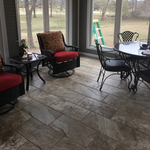
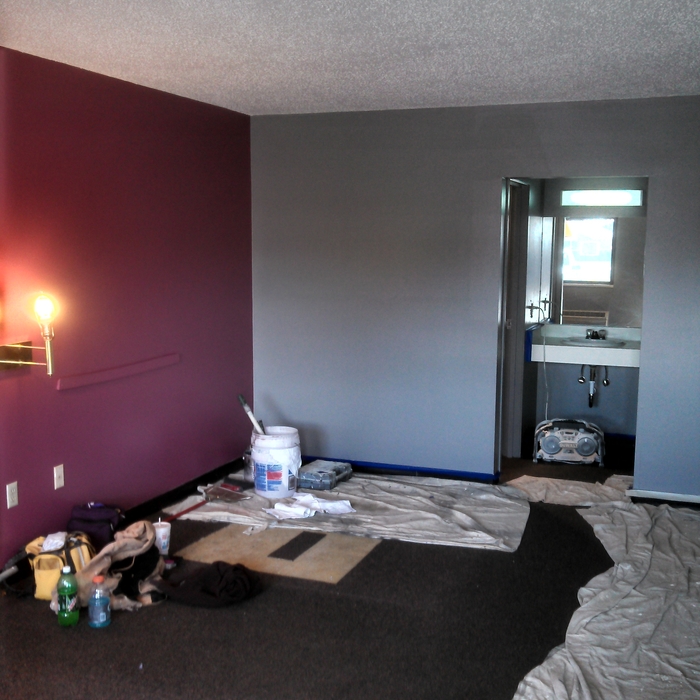
Additional Photos
Additional Photos
Additional Photos
Additional Photos
Additional Photos

+6

Recommended by89%of homeowners
Showing 1-10 of 44
Deck Staining questions, answered by experts

Yes, staining or sealing a cedar deck or fence is highly recommended to extend its lifespan, typically by five to 10 years. While cedar is naturally resistant to mold and mildew, it can still fall victim to moisture, sun exposure, and rot over time. Applying a treatment creates a protective shield that helps prevent splintering, fading, and decay, preserving the wood's strength and appearance. A combination stain and sealer often provides the best protection, as it soaks into the wood grain rather than just sitting on top. This offers superior defense against UV damage and rot and lasts longer than a sealer alone. To maintain the wood's natural look, consider using a near-translucent stain. You should plan to reapply the stain or sealer every two to three years.

A concrete overlay is often the most cost-effective way to resurface a pool deck. To do this, you’ll need to pour a thin layer of concrete over the existing pool deck, which you can customize by stamping or painting. A stamped concrete overlay provides additional traction on a pool deck that can help minimize the risk of people slipping and falling.

Wet-sanding and dry-sanding each have pros and cons. Dry-sanding is less messy, so it’s a good option if you’re trying to minimize dust (for example, if you’re sanding an occupied home or working with particularly dry or dusty drywall mud). However, dry-sanding is quicker because you don’t have to keep rinsing a sponge or wait for it to dry before painting.

Hot, intense sunshine can cause your stain to dry too quickly, which could lead it to look uneven or patchy. If you’re staining the deck during hotter months, it’s best to do it in the morning or evening once the wood has had time to cool down. If you’re staining in cooler weather with less sunshine, the time of day won’t make as much of a difference.

No, it is not okay to paint over rotted wood. Painting over rotted wood will not address the underlying issue and can trap moisture, leading to further decay. Properly addressing the rotted wood by removing and replacing or repairing the damaged areas is necessary before you can even consider painting.

The Campbell, MO homeowners’ guide to deck staining services

From average costs to expert advice, get all the answers you need to get your job done.