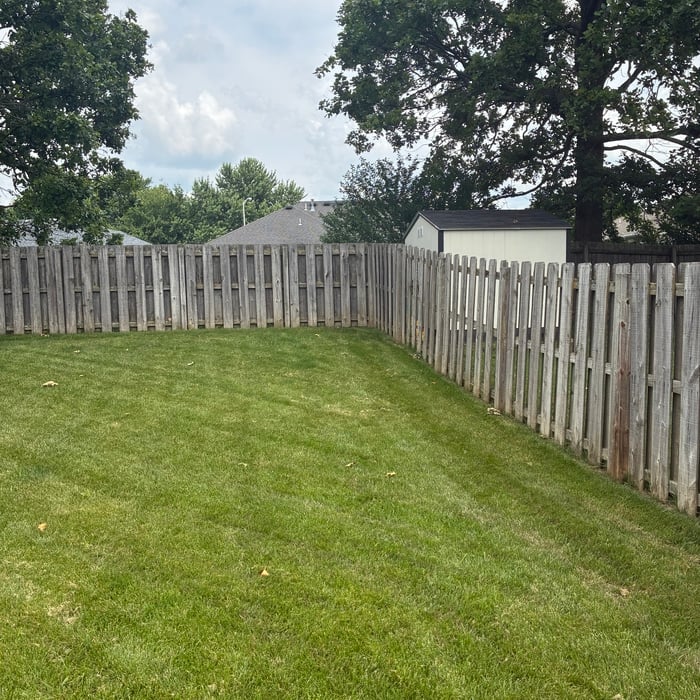
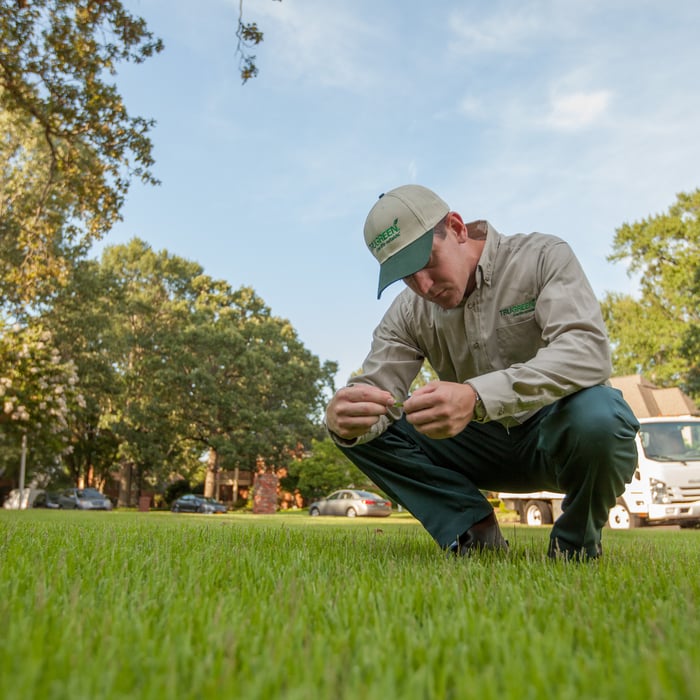
"I think they treated the wrong lawn. The note they sent me via text message referenced trees and shrubs in my yard, I have none. They also did not leave a yard marker showing they had been there. Otherwise, this would have been a 5 star review."
"Alex did a fantastic job with a very difficult wall dog door install. He was very diligent in working through the problems that he incurred with the wall. He persevered and figured out the best way to get the job done. He involved me with any decision-making steps of the process to make sure I agreed with what he was doing. I definitely recommend him for any job you may need done."
Hi my name is Josh. I've been in construction and home maintenance for over 30 years. I have the knowledge and tools to bring to the table. I would love to help you out in anyway I can. Thank you Josh Forester
"Alex and his guys are really great. They're friendly, professional and patient with their customers. They did quality work on short notice. I would recommend this company to anyone needing any kind of cabinetry done"
"Beth did a wonderful job. She showed up exactly when we agreed to meet, and showed a level of attentiveness and professionalism that I’ve yet to see in any other cleaning service. I would definitely recommend her to friends and family."
I’m a young outgoing individual, I’ve had a full time job since I was 14 trying every trade you can think of I have several years of plumbing under my belt, I’m a skilled framer, I’ve done electric for several years and even done mechanical work, I found a love and passion for handyman work and decided I was ready to take the leap on my own! If you need anything done no job is to big or small don’t be afraid to reach out I’d love to come check it out for you!!
Trees that provide a habitat to bats and an abundance of bugs—their main food source—will attract bats to your yard. Because the North American landscape has changed so much in recent years, bats have a harder time finding trees with cavities to shelter in. If your yard has a dead or dying tree with a lot of sun exposure, bats will likely be drawn to it because trees with those features are less common.
While you don’t need to put anything down before mulch, you can apply a pre-emergent herbicide to prevent weed growth. As long as you remove weeds before you spread mulch, you should be in the clear. But a herbicide is something that you can put down before mulch as an extra layer of protection.
If debris from a tree located in a government-owned space (such as a sidewalk, public school, or government property) falls in your yard, it is the city’s or state government’s responsibility to have the debris cleaned up. On the other hand, most states only hold a neighbor liable for cleaning up their tree’s debris if they were negligent in caring for the tree.
Debris removal is often included in the overall cost of having a tree removed from your property. However, tree maintenance service companies do not always include debris removal in their pricing, so ask any contractors offering tree trimming cost estimates whether or not removal is included. If you want to keep the wood mulch, ask if they charge extra for it as well.
Yes, it's perfectly safe and environmentally sound to mulch leaves with a lawn mower, provided that the layer of leaves isn't too thick and the leaves are dry and crispy. Too many wet leaves get sticky and will clog the mower. Thick layers of leaves can suffocate the lawn after the leaves have been mulched, so the layer should be no more than six inches thick.
The Buffalo, MO homeowners’ guide to lawn services
From average costs to expert advice, get all the answers you need to get your job done.
Discover average lawn aeration cost, key price factors, and tips to save. Get a clear estimate for your yard and learn how to choose between DIY and hiring a pro.
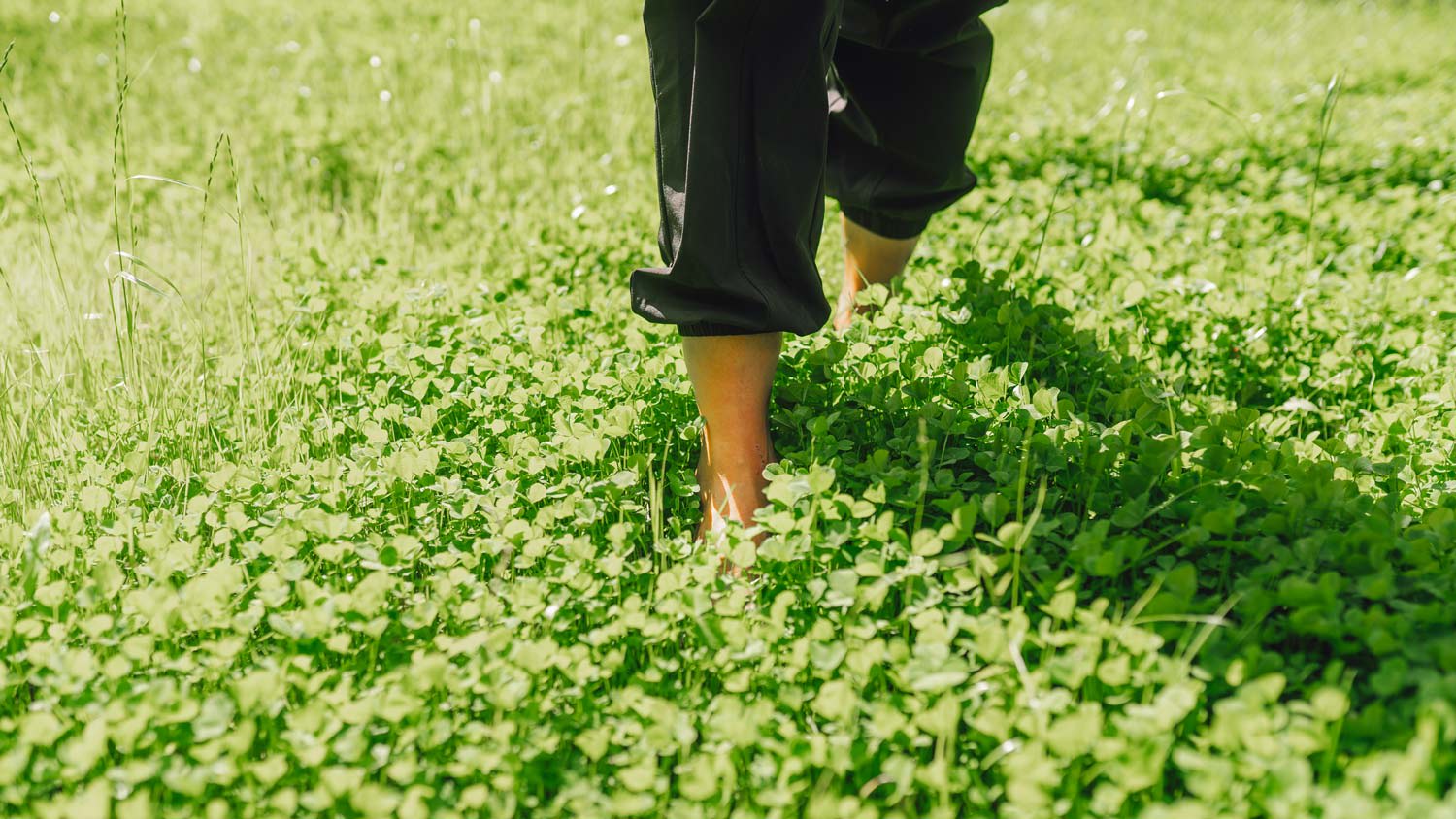
Of all the increasingly popular grass alternatives, clover is edging out the competition. Get to know the top clover lawn pros and cons and whether this option is right for you.