




Top-rated energy efficiency auditors.

Get matched with top energy efficiency auditors in Benton, MO

Enter your zip and get matched with up to 5 pros

Need a pro for your energy efficiency auditing project in Benton, MO?

Select your specific project to find the pro for you.

Find Energy efficiency auditors in Benton

Tri State Solar Power, LLC
New to Angi
Home Energy Audit

Serving Benton, MO and surrounding areas

In business since 2019

Free estimates

We take great pride our experience, expertise, quality, and customer service that we provide to meet the consumers' needs. It is our mission to provide excellent workmanship, and complete customer satisfaction from start to completion of a project. order to understand the needs, and expectations of our customers, we take great care to work, and communicate with every customer a professional manner. Our reputation is based on service, safety, and quality, regardless of how large or small the job.

Fitzgerald Electrical Services -
New to Angi
Energy Audit - For BusinessHome Energy Audit

Serving Benton, MO and surrounding areas

In business since 2009

Free estimates

Emergency services offered

Fitzgerald Electrical Services is an obvious choice for all your electrical needs. We have the power to perform and can handle any job from computer networking to electrical wiring and panel upgrades for a remodel or addition. We are experts in the installation of in-ground pools and can also assist with repair work associated with your swimming pool and the accessories and equipment. Free Estimates within 30 min drive We proudly obtain a Cape Gerardo License #852, expires March/2014. Outdoor lighting, home theater systems, telephone jacks, surveillance systems, etc..."If There is Wire to It...We Do It".

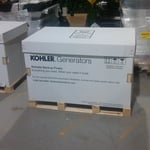
Kohler Emergency Generators and Transfer Switches
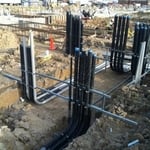
 Undergound Electrical Conduits/ Electrical Room
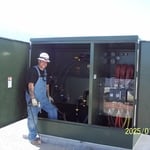
High Voltage Transformer
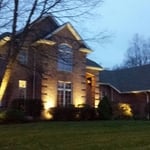
 Landscape Lighting Design and Installation
 Data Center Lighting

+15

Energy Efficiency Auditing questions, answered by experts

To find a reputable home energy auditor, start by researching local companies that offer the service and check their reviews, methods, and certifications. The most reputable professionals are often Home Energy Professional (HEP)-certified by the Building Performance Institute (BPI). You can also consult the Department of Energy’s certified list of energy auditors or use a state licensing tool to review local guidelines and ensure you are hiring a certified professional for your area.

Leaving vents open but closing doors in unused rooms will probably not save money on your energy bill. Closed doors prevent the natural flow of air throughout the home, which could reduce the efficiency of the overall HVAC system. They could also restrict airflow into and through the return vents, making the HVAC system less efficient.

If your AC runs constantly, it could be due to a number of things, including a faulty thermostat, incorrect temperature settings, or broken equipment. Alternatively, you might have an airflow problem (for example, blocked vents or leaky ductwork). Either way, an HVAC pro can identify the specific problem and fix it for you.

Yes, including optimizing settings and suggesting upgrades if needed.

To determine the right size generator for your house, you should calculate the total wattage of the appliances and devices you want to power during an outage. List all essential items, note their start-up wattages, and add them together.

Here are some typical wattage requirements for common appliances:

  • Refrigerator: 600 watts

  • Large dehumidifier: 700 watts

  • Large window air conditioner: 1,400 watts

  • Water heater: 3,000 to 4,500 watts

  • Electric furnace: 5,000 to 25,000 watts

A 7,500-watt generator might be sufficient for essentials like a refrigerator, freezer, well pump, and lighting circuits. However, for high-demand items like a water heater or furnace, a whole-home generator is a better choice. A portable generator may be enough if you only need to power a few critical items.

While home square footage can offer a rough estimate, it is not always a reliable indicator. For reference, here are some typical generator sizes based on square footage:

  • 1,000 sq ft: 6–9 kW

  • 1,500 sq ft: 7–10 kW

  • 2,000 sq ft: 10–14 kW

  • 2,500 sq ft: 12–16 kW

  • 3,000 sq ft: 16–20 kW+

For the most accurate sizing, consult a professional who can calculate your home's peak and average power consumption and recommend the optimal generator.

The Benton, MO homeowners’ guide to energy efficiency auditing services

From average costs to expert advice, get all the answers you need to get your job done.