
Top-rated lead testing and removal specialists.

Get matched with top lead testing and removal specialists in Winona, MN

Enter your zip and get matched with up to 5 pros

Need a pro for your lead testing and removal project in Winona, MN?

Select your specific project to find the pro for you.

Find Lead testing and removal specialists in Winona

Clean Start of Rochester, LLC
3.0(
6
)
Toxic Lead - AbatementToxic Lead - Testing

Serving Winona, MN and surrounding areas

In business since 1998

Free estimates

Emergency services offered

"The mold removal and restoration of my front hall closet was started and completed with no problems. I got everything in writing and the workmen did everything in a timely manner. Everything was cleaned up and you wouldn't even know they were there. I got a great value for the money and I thank them for not trying to take advantage of me. The employees were very professional, friendly, and helpful. THe closet looks beautiful now and be energy efficient now that the mold and moisture problem is gone - I can feel the difference."
Blasting picture
Blasting picture
Recommended by60%of homeowners
Lead Testing and Removal questions, answered by experts

A professional indoor air quality inspection takes anywhere from one to three hours, depending on the size of your home and the number of necessary samples. After the test, the specialist will discuss the findings, but you won’t get a full written report for 2 to 10 days, though you can ask your pro to expedite the process, if needed. 

Exterior paint contains a higher level of VOCs, which can be dangerous if you’re exposed to it for a long period of time. The good news is that paint’s toxicity reduces significantly once fully dried and cured. Do not keep open exterior paint cans in your home, basement, or garage, exposing your household to harmful chemicals over time.

Costs depend on test type, home size, number of testing locations, and whether follow-up testing is required.

According to the EPA, there is no safe level of lead in the blood, and so the maximum contaminant level goal (MCLG) for lead in water is zero. Even at low levels, lead is harmful to human health. It can also remain in the body and build up over time with repeated exposure.

According to the Environmental Protection Agency (EPA), hazardous waste is generally classified into four main categories:

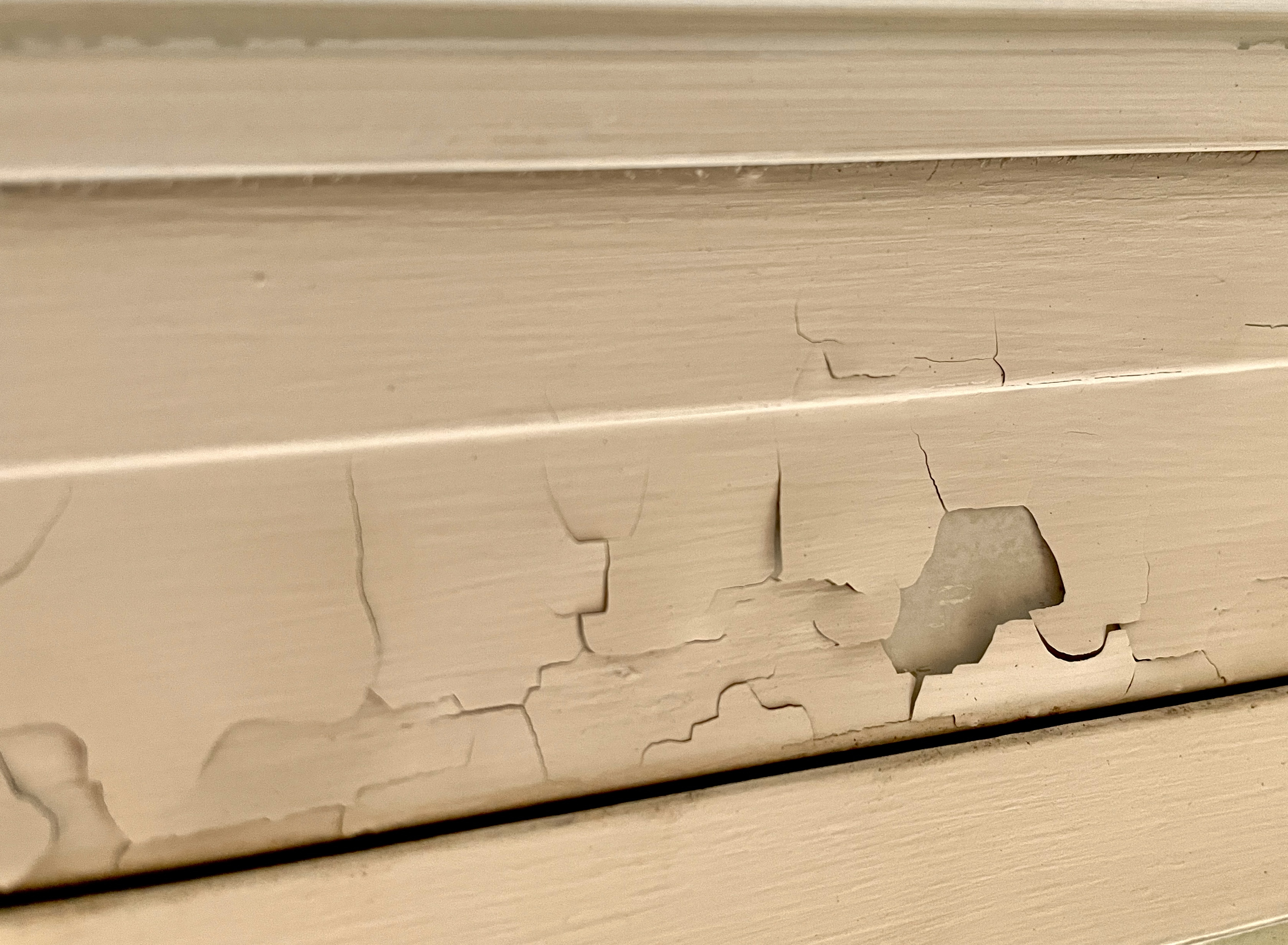
1. Characteristic Wastes: These exhibit at least one of four hazardous traits: ignitability (flammable, like gasoline), corrosivity (can rust or decompose materials, like car batteries), reactivity (unstable and can explode, like aerosol cans), or toxicity (harmful when ingested, like lead-based paint).

2. Listed Wastes: These are specific wastes from manufacturing and industrial processes that the EPA has officially designated as hazardous. They include byproducts from processes that use solvents, pesticides, and other chemicals.

3. Universal Wastes: These are commonly generated hazardous items that are subject to streamlined regulations. Examples include batteries, pesticides, mercury-containing equipment (e.g., bulbs), and some lamps.

4. Mixed Wastes: This category includes waste that contains both hazardous and radioactive components, making it subject to regulation by both the EPA and the Nuclear Regulatory Commission.

The Winona, MN homeowners’ guide to lead testing and removal services

From average costs to expert advice, get all the answers you need to get your job done.