"Mr. Ferrell first connected his computer to my computer via internet and worked for quite a few hours trying to determine what exactly was wrong. The next day he continued working from his computer for several hours. He determined he would have to have my desktop tower to complete the repair. He and my son met in Huntsville to exchange the tower. He then cleaned up a lot of what was wrong and reloaded Windows 10. He deleted the D: drive which had way too much memory allotted to it. The tower was returned and I plugged it all back together and it is working better than it did when I first purchased it. I would use him again and I recommend him highly to anyone needing computer updating and/or repair. His work is warrantied and he is very personable, knowledgeable, and helpful."
"I was very pleased with the work. Nick is a hard worker and has expertise in many areas. They want the job done to the customer’s satisfaction. Communication was also good. I will hire this company again."
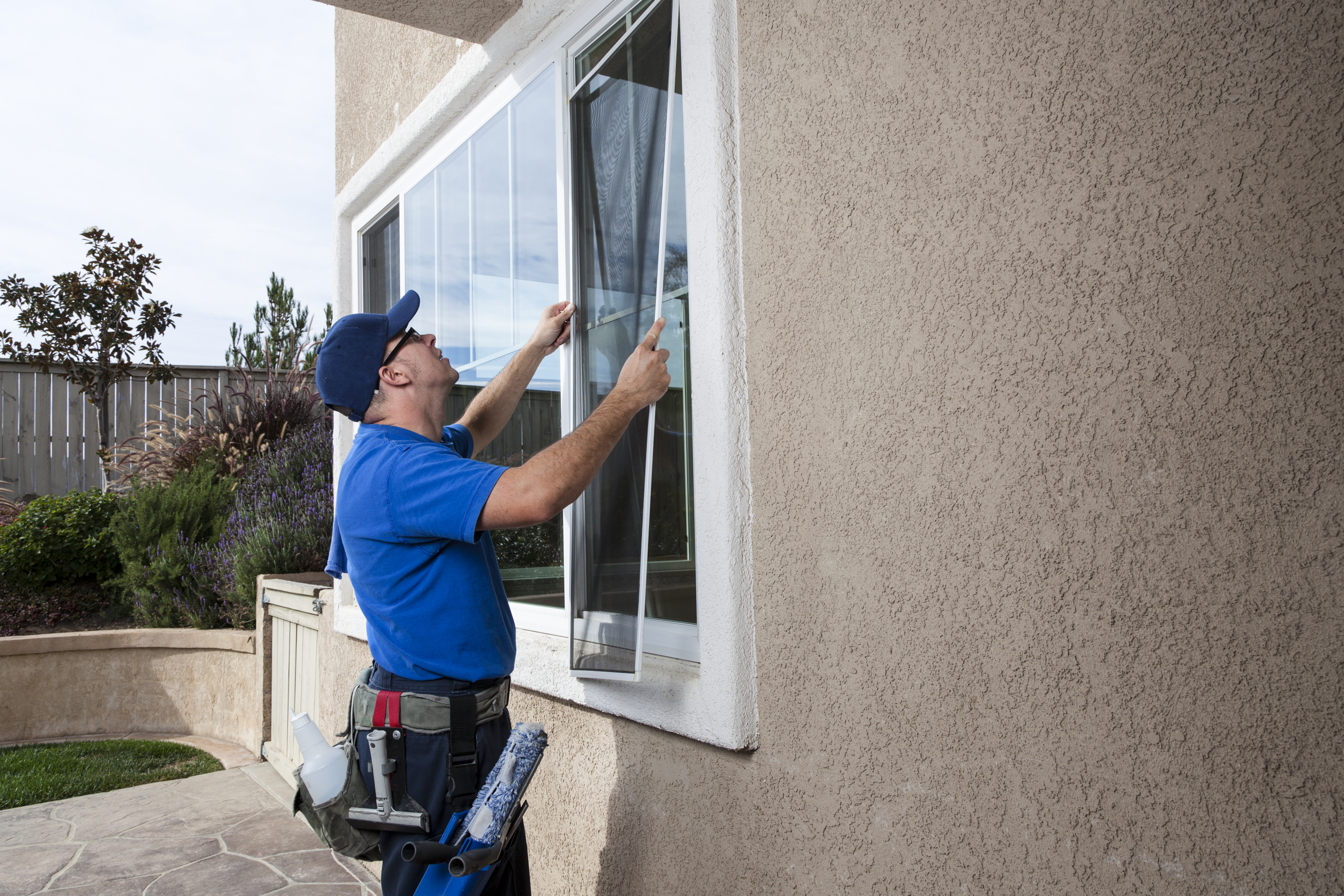
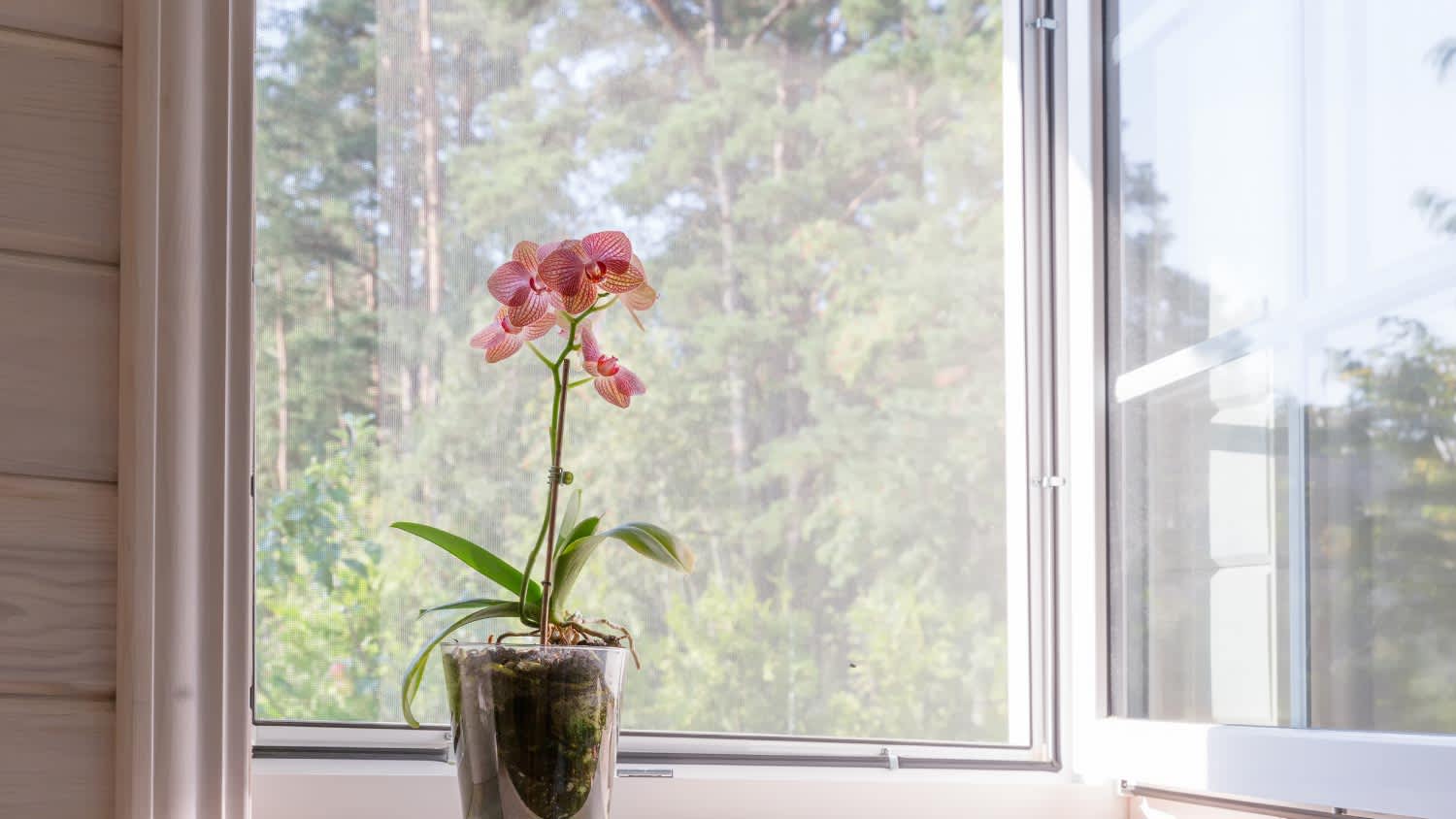
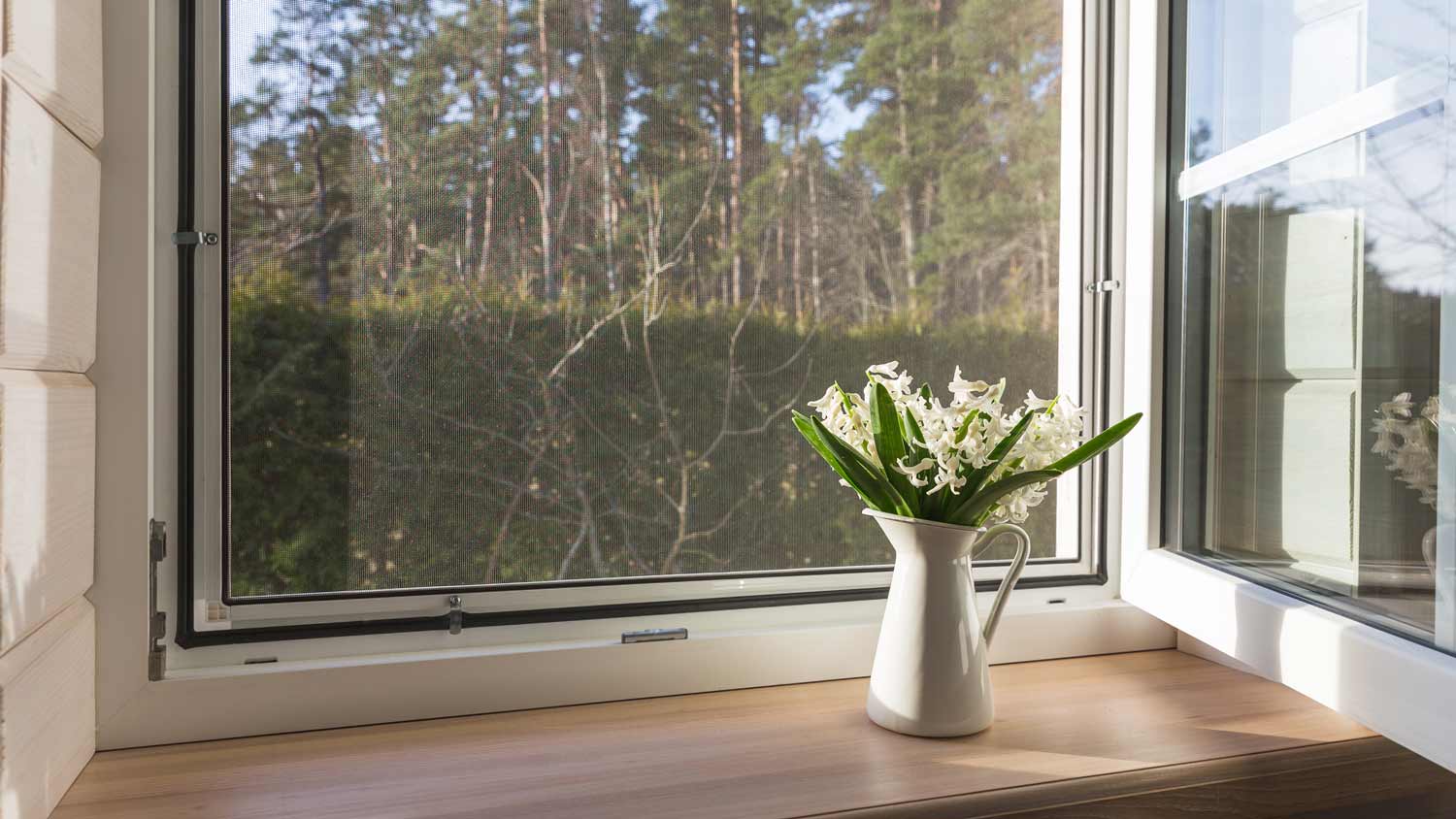
Most window screens in residential homes are designed to be removed from the inside, especially with double-hung, single-hung, and casement styles. That said, some setups require exterior removal. Older homes or custom installs may have exterior clips or brackets, and sunscreens are almost always mounted on the outside. Before removing your window screen, look at how it is held in place.
Most windows last for 15 to 30 years, depending on the frame material and the glass quality, but most will require repairs during that time. Windows gradually lose efficiency, so it’s usually best to have a window repair technician inspect and service your windows every five to 10 years. You should also repair your windows if you experience the following:
Leaks
Drafts
Difficulty opening or closing
Sudden increases in heating and cooling bills
Outdoor noise becomes more audible
Signs of physical damage
Most window screens last for about 10 to 12 years, assuming they are made from quality materials and receive proper care. The lifespan of common materials like fiberglass and aluminum can vary based on weather exposure, as constant sun or harsh winters can accelerate wear and tear. Regular cleaning and basic maintenance can help extend their life. Signs that a screen needs to be replaced include rips, tears, brittle or sagging material, fading, or a bent frame. While small tears can often be repaired, larger areas of damage typically mean it's time to replace the entire screen.
It is generally recommended to remove window screens for the winter, especially in climates with heavy snow, freezing rain, or frigid temperatures. Removing them helps prevent damage to the screen mesh and frames that can be caused by ice and moisture buildup between the screen and the window. Taking out the screens also allows more natural light and warmth into your home during shorter winter days and makes it easier to clean your windows thoroughly. In warmer climates where harsh weather is not a concern, the decision is more about personal preference; some homeowners prefer the clearer view, while others leave them in for convenience.
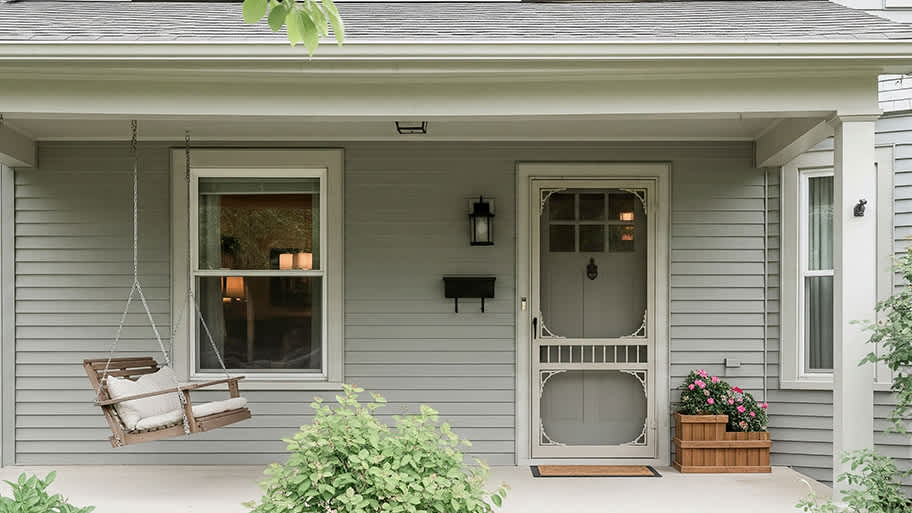
Yes, you can replace the screen without removing the door in most cases depending on the frame holding the screen. Doors with removable spline and screen frames make it a snap to replace the mesh while the door remains in place. The best part is that it’s a simple DIY project requiring a few tools in addition to the screen material.
The Tyler, MN homeowners’ guide to screen repairs
From average costs to expert advice, get all the answers you need to get your job done.
Thinking about window screen installation for the spring? Learn about mesh materials, costs to expect, and how to hire the right local pro for the job.
You’re probably already using them, but when it comes down to it, do you need screens on your windows? Learn about the pros and cons of using window screens.