I am a Jack of all Trades running a General Contracting & Maintenance Company I typically work by myself, but I do have assistance when needed on bigger jobs or when there's a tight deadline. I focus on doing what you the Customer wants. Most other Contractors will give you limited options with little price difference, I will work with you on what you and whats within your budget! If you have a project of any kind from big to small just give me a call!
As experts in residential and commercial flooring, HawknMiller. strives to exceed expectations. With nearly 9 years of experience, we take pride in the quality of our work, responsiveness, and competitive pricing. We look forward to serving you and building a lasting relationship.
With several years of experience, Tjaden Painting, LLC works hard to bring each customer the best possible service and quality available. We look forward to working with you on your next project. We welcome your questions and thank you for your interest.\n
Safety steps include proper vent installation, connector tightness, and leak testing. A safe environment must be maintained throughout.
Examples include gas stoves, ovens, and water heaters. Confirm with your provider for specific items.
Most likely, a gas plumber would be the best pro for many components in your home, and you might not even realize it. Natural gas plumbers are responsible for maintaining and installing natural gas lines, including installing appliances that use natural gas. These can include:
Fireplaces
Water heaters
Furnaces
Hot tubs
Clothes dryers
Ovens
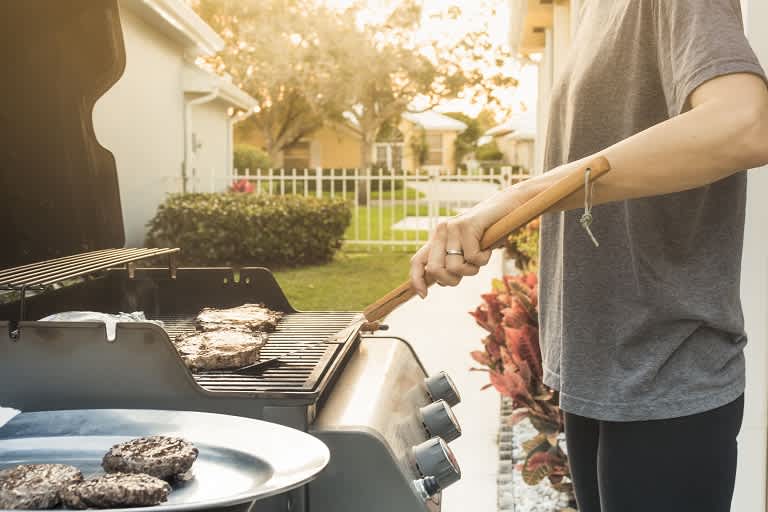
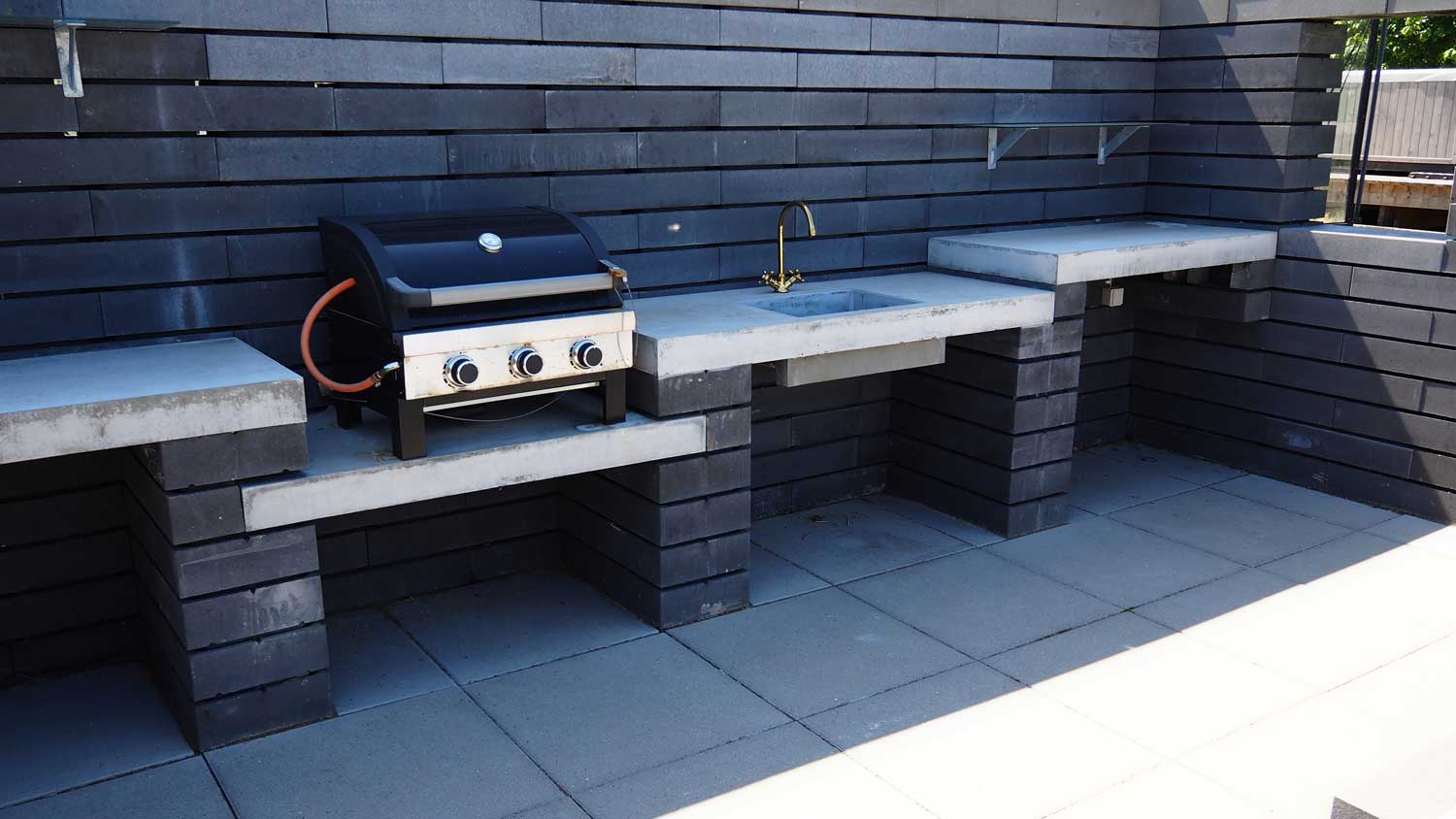
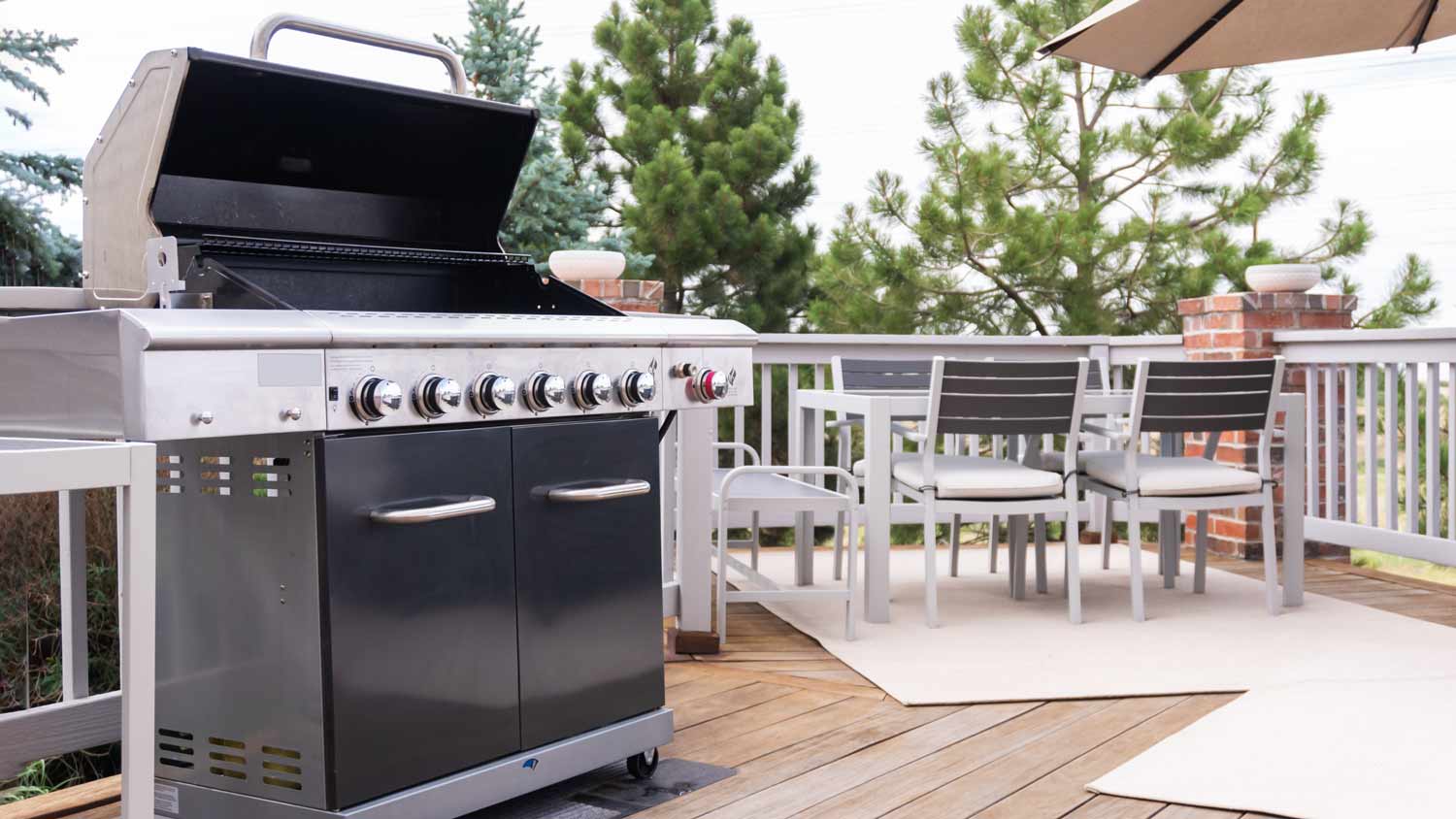
Outdoor grills
Gas plumbers are also the pros that would handle a natural gas leak in your home, so it's essential to know the signs of a gas leak before it becomes a dangerous situation.
On average, a gas grill can last from five to 15 years. The exact lifespan depends on several factors, including the brand and quality of the grill, frequency of use, and whether the gas line is buried or above ground. With proper maintenance and care, such as regular deep cleanings to remove food, grease, and carbon deposits, a grill's life can be extended. Protecting the grill from the elements with a cover can also prevent rust and reduce the need for repairs. Most grill manufacturers also offer extended warranties, which vary in coverage and terms.
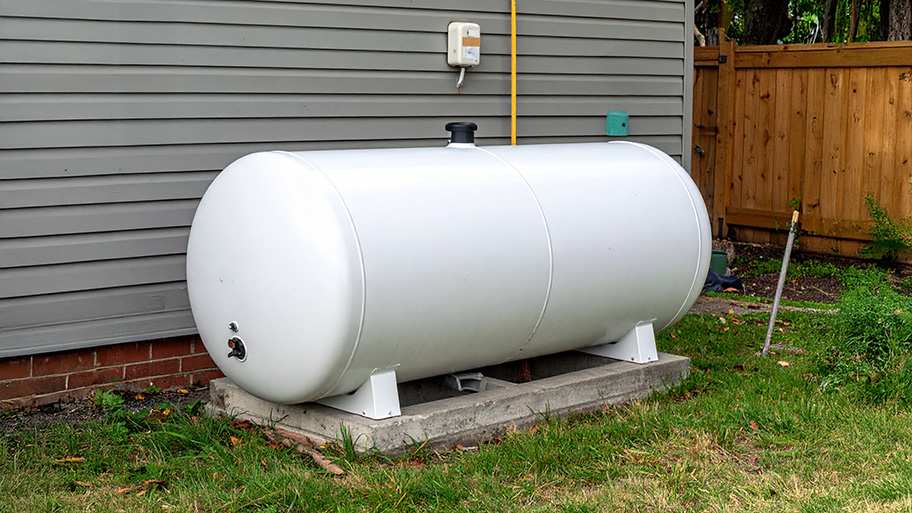
Propane sales companies typically offer propane delivery, tank installation and maintenance, grilling refills, and emergency support for supply interruptions.
The Tyler, MN homeowners’ guide to grill assembly services
From average costs to expert advice, get all the answers you need to get your job done.
Planning a new outdoor cooking space? Learn everything you need to know about gas grill installation costs, setup options, and how to hire a local pro.
Don’t leave your grill behind when moving house. Learn how to move a grill safely so you can enjoy a home-cooked meal on your first night in your new place.