
Top-rated excavation pros.

Get matched with top excavation pros in Trimont, MN

Enter your zip and get matched with up to 5 pros

Need a pro for your excavation project in Trimont, MN?

Select your specific project to find the pro for you.

Find Excavation pros in Trimont

Avatar for Klassen Skid Steer Service
Klassen Skid Steer Service
New to Angi

Serving Trimont, MN and surrounding areas

Approved

In business since 2023

Free estimates

We take great pride in our experience, expertise, quality, and customer service that we provide to meet the consumer's needs. It is our mission to provide excellent workmanship and complete customer satisfaction from start to completion of a project. Our reputation is based on service, safety, and quality, regardless of how large or small the job.\n

Response time1 day
5 neighbors recently requested a quote
Ruff It Up Construction
4.0(
4
)

Serving Trimont, MN and surrounding areas

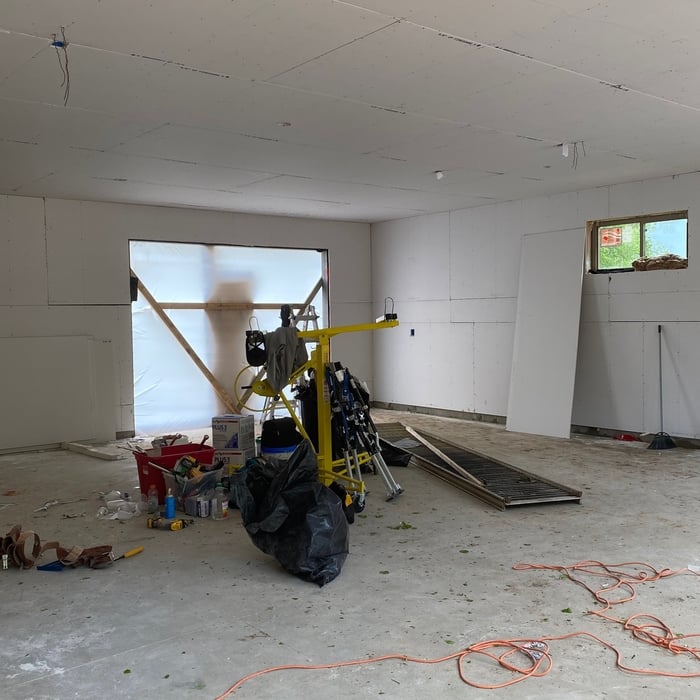
"The team was prompt and very detailed, was able to pivot and suggest little changes that improved the overall look. They reconstructed a soffit and several bathroom and bedroom walls to enhance the appearance. I asked for non textured ceilings and they are flawless. Great communication throughout the job…I will rehire again in the future!!"
Drywall
Garage
Mudding
Drywall
Garage

+19

Recommended by75%of homeowners
Showing 1-10 of 15
Excavating questions, answered by experts

Water lines are buried at various depths, depending on the type of line. For example, most sprinkler lines are buried between four and 12 inches underground. On the other hand, water mains usually sit between one and 3 feet below ground. However, they can go even deeper in cold climates to prevent freezing.

Septic drain lines (or leach lines) are typically buried between 18 and 36 inches underground, and should be at least 6 inches below the surface. These pipes are perforated and surrounded by filtering materials like sand or gravel. Burying the lines at this depth helps minimize odors and allows bacteria and other biological processes in the soil to effectively treat the wastewater. Burying lines too close to the surface can cause issues unless the soil is very compact and stable.

Professional installers often include a deep layer of crushed gravel under permeable pavers to allow more runoff to soak through into the soil below. Many installations will include multiple layers of gravel, with coarser aggregate at the base and finer aggregate that sits on top of that bottom layer. Above the gravel, you’ll often find coarse sand that helps reduce paver shifting over time. Some permeable paver designs include a water collection system set into the gravel layer to route runoff to a safe area for disposal.

There are several different factors that influence how long it takes to excavate. For a foundation, it could take anywhere from three days to three weeks. It can take even longer if you face weather-related delays or an inaccessible site that’s riddled with boulders and rough terrain. It may also take longer if you have clay soil, which is more difficult to dig.

You can dig 60 to 80 linear feet by hand per day depending on the depth. Digging a 100-foot trench by hand will take you two work days, but it can take longer if you have heavy or rocky soil. If you’re digging a deep trench or one that’s over 100 feet, consider renting a mechanical trencher, such as a walk-behind or ride-on, or calling a pro for help. 

The Trimont, MN homeowners’ guide to excavation services

From average costs to expert advice, get all the answers you need to get your job done.