






Top-rated energy efficiency auditors.

Get matched with top energy efficiency auditors in Plainview, MN

Enter your zip and get matched with up to 5 pros

Need a pro for your energy efficiency auditing project in Plainview, MN?

Select your specific project to find the pro for you.

Find Energy efficiency auditors in Plainview

Energy Efficiency Auditing questions, answered by experts

Smart home upgrades can be worth the money. Several upgrades, including smart thermostats and ceiling fans, can help reduce your energy bills. Others make life more convenient, freeing up your time to do what you love (or get more work done). And some smart home upgrades, such as entertainment systems, simply make life more enjoyable. All are worthy causes.

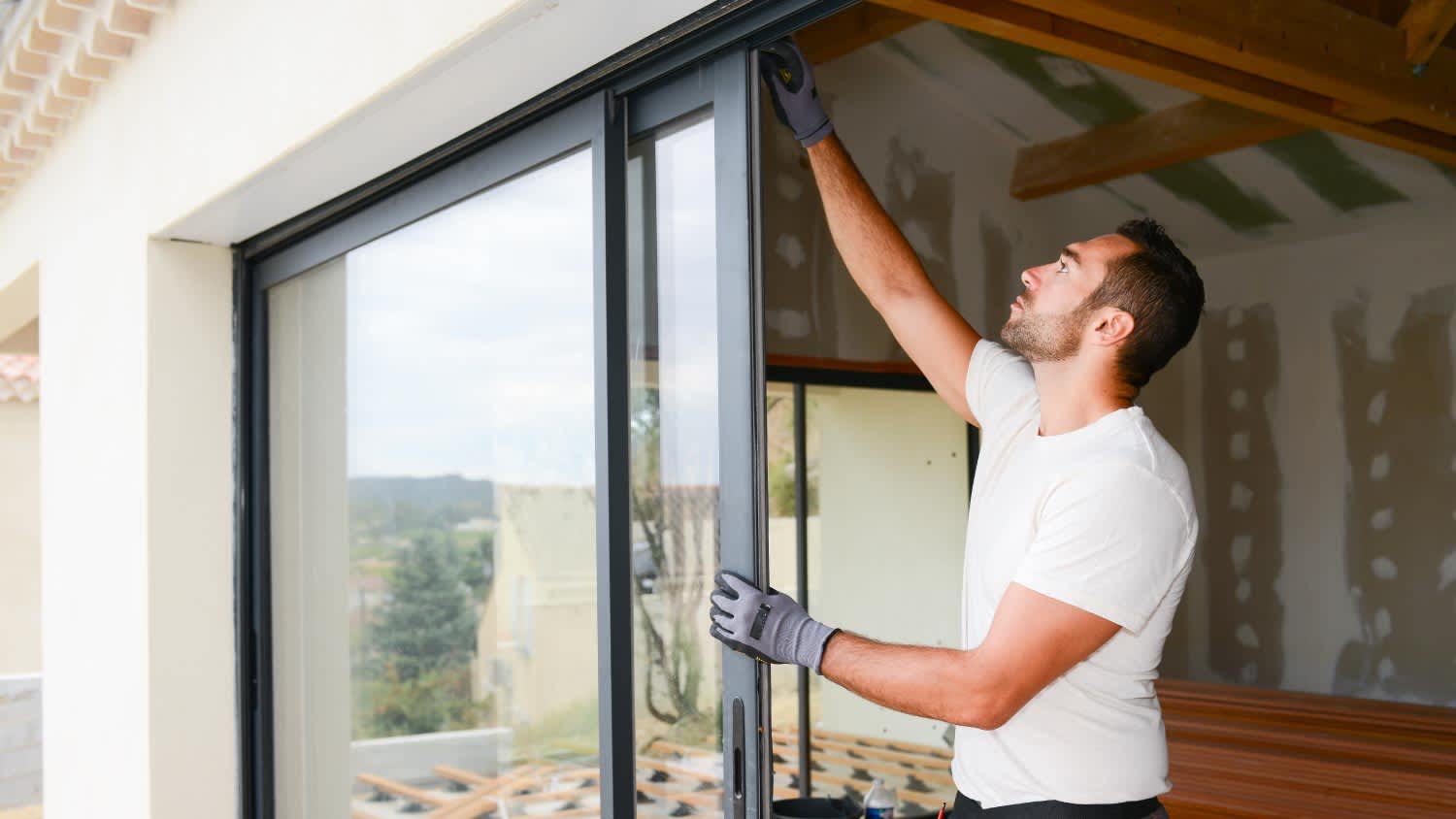
ENERGY STAR®-certified windows are the most energy-efficient windows on the market. This certification means that the window meets strict efficiency guidelines set forth by the Environmental Protection Agency. While they might cost more upfront, they can save you money on your energy bills in the long run. ENERGY STAR®-certified windows lower household energy bills by an average of 12% annually.

No, it isn’t necessary to have energy-efficient windows. However, if you care about your energy bill and making your windows more energy efficient, fixing any heat, UV, or air transfer issues is an excellent way to lower your bills and keep your house cooler in the summer and warmer in the winter.

A whole-house humidifier can positively impact energy consumption by improving heating efficiency. During colder months, humidified air feels warmer, which allows you to lower your thermostat without sacrificing comfort. This adjustment can lead to significant energy savings as your heating system works more efficiently. However, it's important to use the humidifier judiciously, as excessive humidity could potentially strain your cooling system in warmer months.

R-value measures an insulation material's thermal resistance, indicating its ability to resist heat transfer. A higher R-value signifies better insulation performance because the material is more effective at slowing heat flow. The R-value depends on the type, thickness, and density of the insulation material, such as fiberglass, foam, or cellulose. Each inch of insulation typically provides an R-value between 3 and 8. There is no single universal R-value; the optimal choice depends on your climate zone. Colder climates require a much higher R-value than warmer ones to maintain energy efficiency, keep the home warm in winter and cool in summer, and manage costs.

The Plainview, MN homeowners’ guide to energy efficiency auditing services

From average costs to expert advice, get all the answers you need to get your job done.