



If you’re moving wires, installing new wires, or installing new fixtures in the space you’re insulating, then you will need to hire a licensed electrician to do that portion of the job for you. However, if you just intend on replacing old insulation or adding new insulation over existing insulation, then you don’t need to hire one. Your insulation installer will work around wiring, fixtures, outlets, and switches, even if they’re installing fiberglass batts in the voids where wires run. However, you will need an electrician if you suspect a problem with your wiring during the insulation work.
Air sealing isn't necessary for attic insulation, but it's incredibly helpful since it can help you identify and patch any existing air leaks. Failing to find these leaks before adding insulation can render your insulation less effective, leading to higher energy bills and potentially costly repairs down the line.
Asphalt roofs provide better insulation than metal roofs, but that doesn’t always mean that asphalt roofs are better for reducing heating and cooling bills. In hotter climates, metal roofs will usually be better for home efficiency because the material reflects more sunlight and reduces solar heat gain. In colder climates, asphalt roofs are sometimes superior in terms of efficiency because they introduce more solar heat gain to your home and have greater insulating capabilities. However, metal roofs installed with an air gap can provide similar levels of insulation.
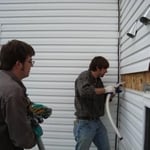
It is possible to insulate your walls without removing drywall, but it’s not a good idea to attempt the work yourself. A professional can use blown-in insulation or spray foam insulation to fill wall voids without opening up the walls, and the option they use typically depends on your climate and whether or not there’s insulation in your wall already that can remain in place. Spray foam insulation costs more and isn’t always a viable option, but it’s a better insulator. Call in an expert to help decide which is right for you.
Expect your home insulation project to take between five and 12 hours to complete on average for batts or boards and two to five hours for spray foam or blown-in insulation. It might take longer if you need to remove your home’s existing insulation, you have a higher-than-average square footage, or accessibility is limited.
The Pierz, MN homeowners’ guide to insulation services
From average costs to expert advice, get all the answers you need to get your job done.
Removing old insulation may be necessary for upgrading your insulation. Keep reading to see if you should remove old insulation before adding new insulation.
Learn how to decide if your home needs dryer vent insulation to protect your vent from drafts and moisture that can make your energy usage less efficient. Poorly ventilated dryer vents also increase mold risks!