


Top-rated lead testing and removal specialists.

Get matched with top lead testing and removal specialists in Isle, MN

Enter your zip and get matched with up to 5 pros

Need a pro for your lead testing and removal project in Isle, MN?

Select your specific project to find the pro for you.

Find Lead testing and removal specialists in Isle

Avatar for SERVPRO of Wright County
SERVPRO of Wright County
New to Angi
Toxic Lead - Abatement

Serving Isle, MN and surrounding areas

In business since 2020

Free estimates

Emergency services offered

SERVPRO of Wright County provides expert water damage restoration, fire and smoke cleanup, mold remediation, and storm damage repair throughout Wright County and surrounding areas. Available 24/7 for emergency services, our IICRC-certified team uses advanced equipment to restore your home or business quickly and effectively.\n\nWe handle everything from burst pipes, basement flooding, and sewage cleanup to fire damage repair, smoke odor removal, and biohazard cleaning. We also offer commercial restoration services, including large-loss projects for schools, businesses, and government facilities.\n\nAs a locally owned SERVPRO franchise, we are committed to fast response times and excellent customer service. We work directly with your insurance company for a stress-free process.\n\n? Water, Fire & Mold Restoration\n? 24/7 Emergency Service\n? Commercial & Residential Experts\n\nWhen disaster strikes, trust SERVPRO of Wright County to make it ?Like it never even happened.?

Lead Testing and Removal questions, answered by experts

According to the Environmental Protection Agency (EPA), hazardous waste is generally classified into four main categories:

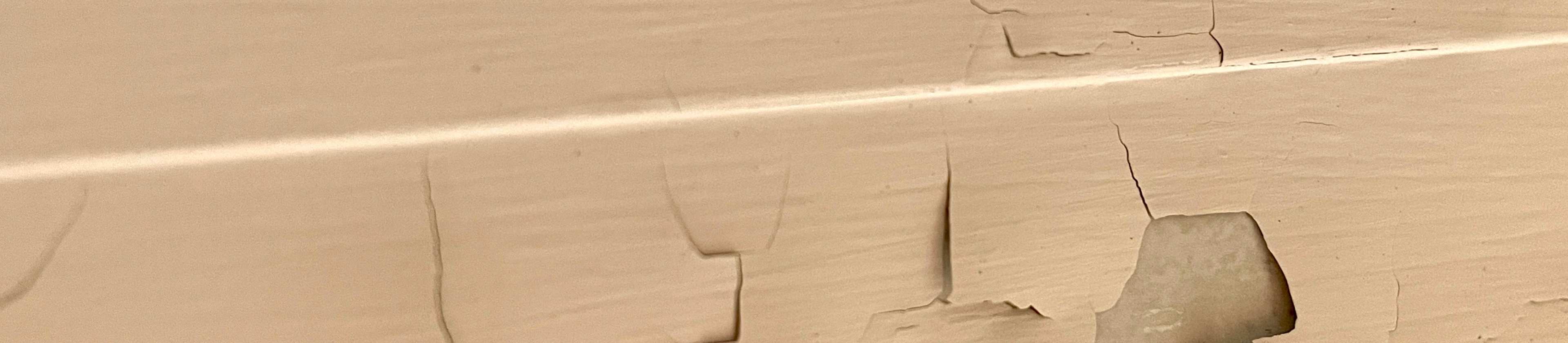
1. Characteristic Wastes: These exhibit at least one of four hazardous traits: ignitability (flammable, like gasoline), corrosivity (can rust or decompose materials, like car batteries), reactivity (unstable and can explode, like aerosol cans), or toxicity (harmful when ingested, like lead-based paint).

2. Listed Wastes: These are specific wastes from manufacturing and industrial processes that the EPA has officially designated as hazardous. They include byproducts from processes that use solvents, pesticides, and other chemicals.

3. Universal Wastes: These are commonly generated hazardous items that are subject to streamlined regulations. Examples include batteries, pesticides, mercury-containing equipment (e.g., bulbs), and some lamps.

4. Mixed Wastes: This category includes waste that contains both hazardous and radioactive components, making it subject to regulation by both the EPA and the Nuclear Regulatory Commission.

Lead testing in residential properties involves collecting samples from paint, dust, soil, or plumbing and analyzing them in certified laboratories to accurately identify lead levels.

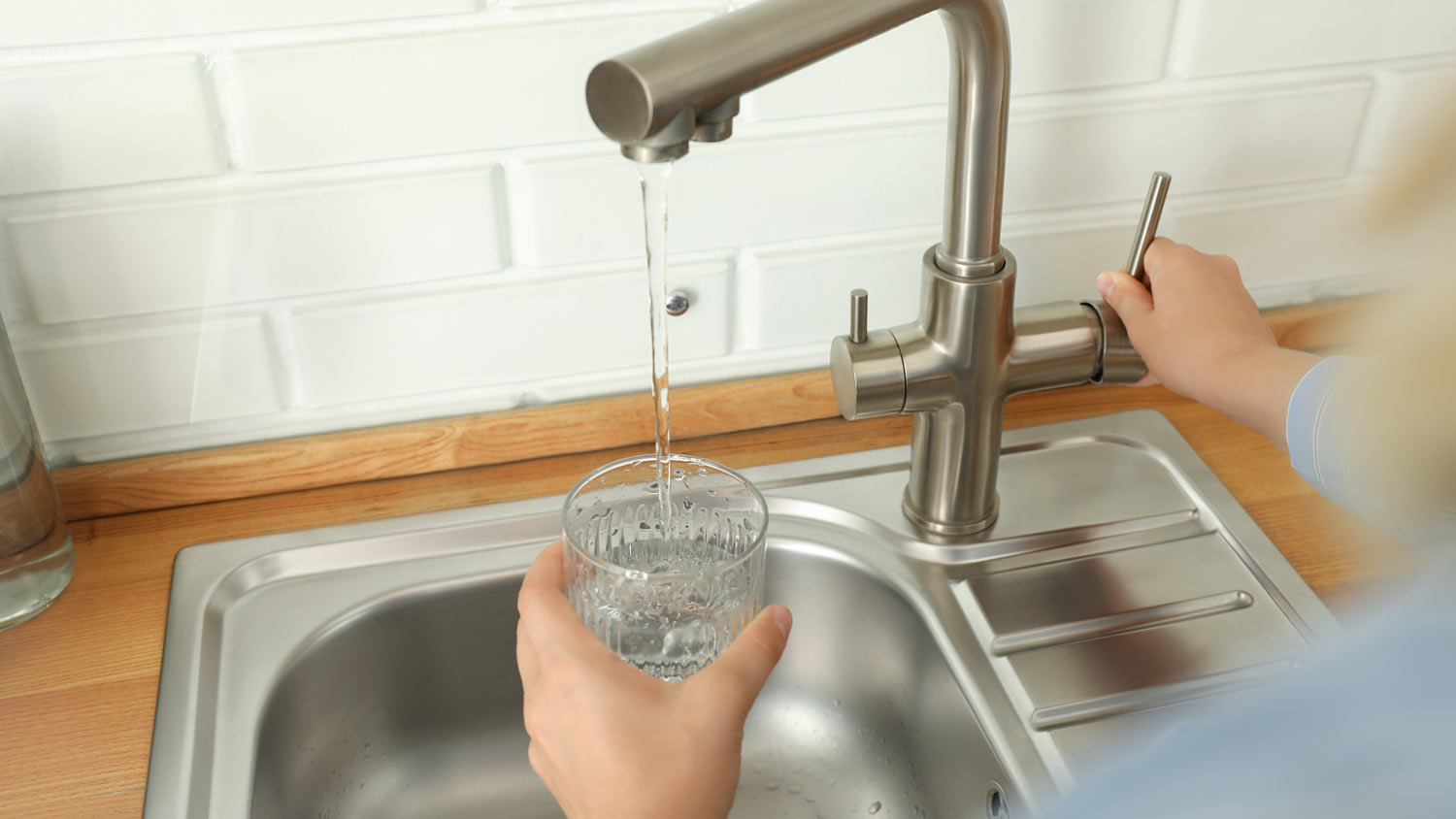
According to the EPA, there is no safe level of lead in the blood, and so the maximum contaminant level goal (MCLG) for lead in water is zero. Even at low levels, lead is harmful to human health. It can also remain in the body and build up over time with repeated exposure.

If lead is detected in a property, steps should include arranging for professional removal or containment, notifying all occupants, and implementing interim safety measures to reduce exposure.

Mold, VOCs, radon, carbon monoxide, and particulate matter are typically measured.

The Isle, MN homeowners’ guide to lead testing and removal services

From average costs to expert advice, get all the answers you need to get your job done.