


Top-rated lead testing and removal specialists.

Get matched with top lead testing and removal specialists in Hartland, MN

Enter your zip and get matched with up to 5 pros

Need a pro for your lead testing and removal project in Hartland, MN?

Select your specific project to find the pro for you.

Find Lead testing and removal specialists in Hartland

Clean Start of Rochester, LLC
3.0(
6
)
Toxic Lead - AbatementToxic Lead - Testing

Serving Hartland, MN and surrounding areas

In business since 1998

Free estimates

Emergency services offered

"The mold removal and restoration of my front hall closet was started and completed with no problems. I got everything in writing and the workmen did everything in a timely manner. Everything was cleaned up and you wouldn't even know they were there. I got a great value for the money and I thank them for not trying to take advantage of me. The employees were very professional, friendly, and helpful. THe closet looks beautiful now and be energy efficient now that the mold and moisture problem is gone - I can feel the difference."
Blasting picture
Blasting picture
Recommended by60%of homeowners
Lead Testing and Removal questions, answered by experts

You can expect to pay between $200 and $400 for a lead inspection, where your local lead testing pro will scan surfaces and items with an X-ray fluorescent analyzer. Lead risk assessments are slightly different and run around $800 to $2,000. A pro may find lead during an evaluation, and create a removal strategy.

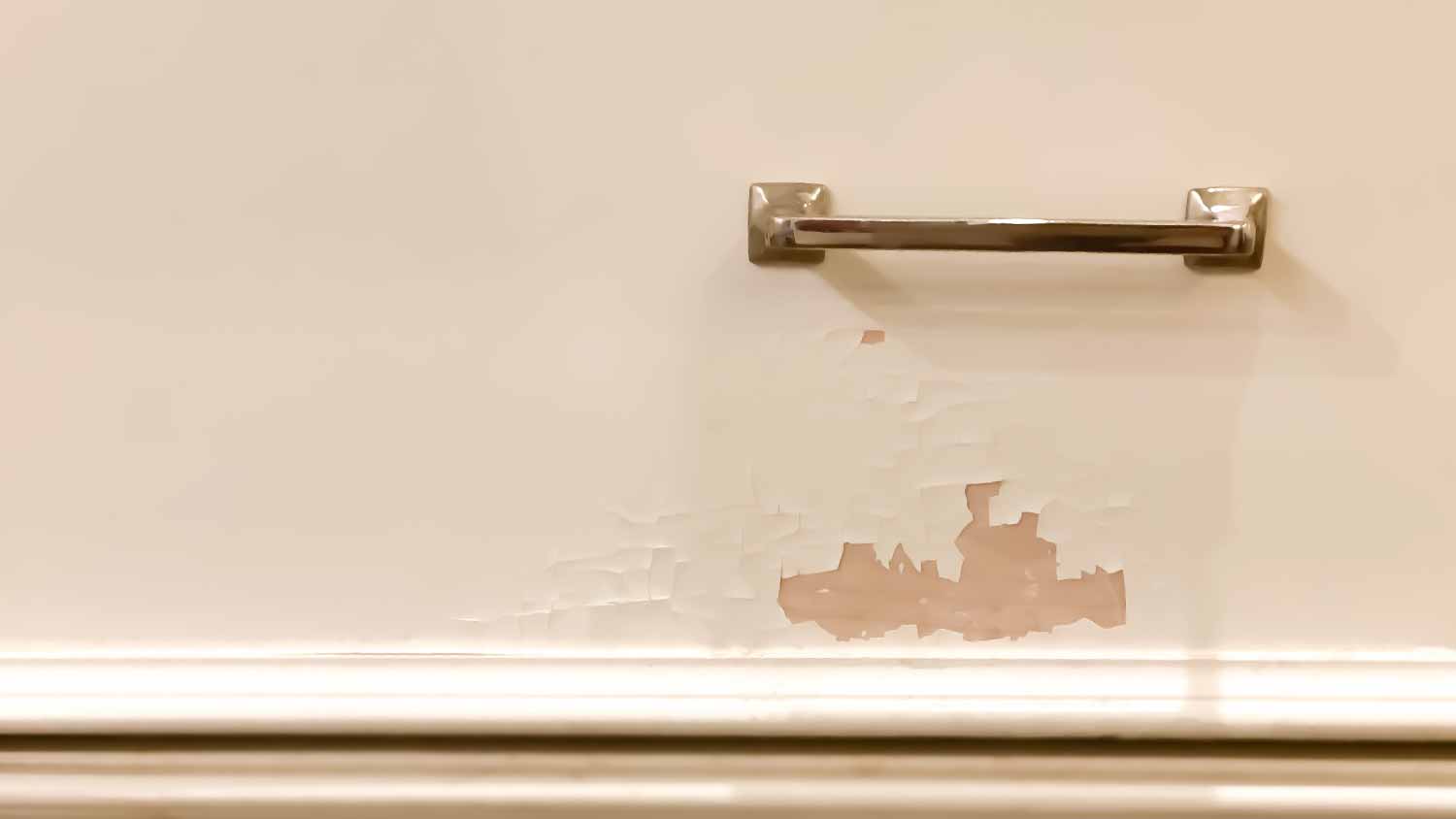
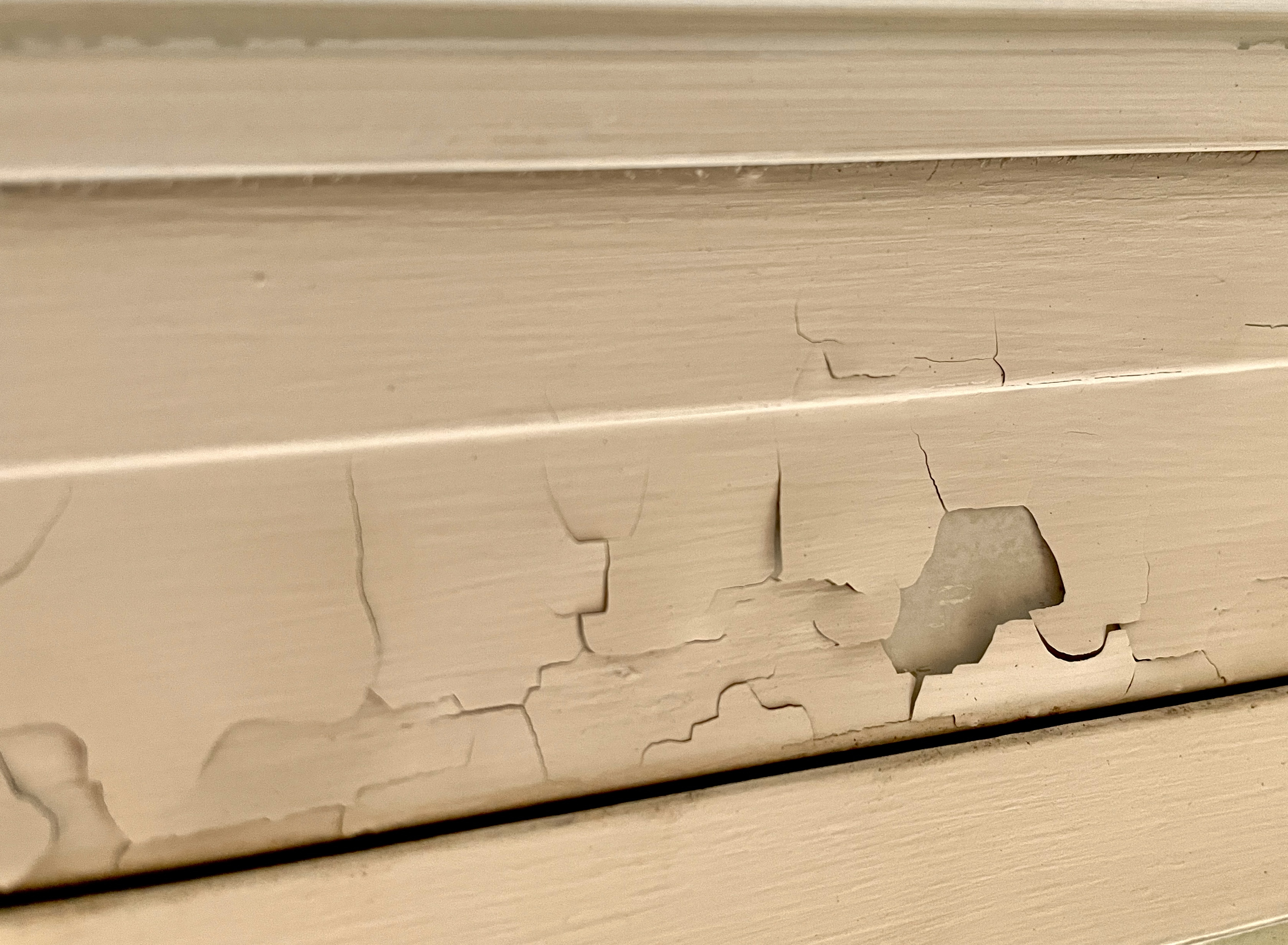
If your house was built before 1978 and you’re noticing cracking or peeling paint, a lead paint inspection is a good idea. A lead paint inspection gives you accurate information about the presence, location, and condition of lead-based paint in your home. This information is essential for making informed decisions about lead paint removal to ensure your safety and health and that of your family. If your inspector finds lead, you’ll need to take steps to manage or remove the lead-based paint and comply with laws and regulations.

If the lead paint is in a place that is not easily disturbed and is not flaking or deteriorating, you do not necessarily need to remove it. Lead is toxic when dust particles or flakes from peeling lead paint are ingested. If people are not in the area with the lead paint, it may be safe to leave it in place. You still may want to consider encapsulation with a paint formulated for covering lead-based paint, just for an added layer of protection.

According to the Environmental Protection Agency (EPA), hazardous waste is generally classified into four main categories:

1. Characteristic Wastes: These exhibit at least one of four hazardous traits: ignitability (flammable, like gasoline), corrosivity (can rust or decompose materials, like car batteries), reactivity (unstable and can explode, like aerosol cans), or toxicity (harmful when ingested, like lead-based paint).

2. Listed Wastes: These are specific wastes from manufacturing and industrial processes that the EPA has officially designated as hazardous. They include byproducts from processes that use solvents, pesticides, and other chemicals.

3. Universal Wastes: These are commonly generated hazardous items that are subject to streamlined regulations. Examples include batteries, pesticides, mercury-containing equipment (e.g., bulbs), and some lamps.

4. Mixed Wastes: This category includes waste that contains both hazardous and radioactive components, making it subject to regulation by both the EPA and the Nuclear Regulatory Commission.

Professionals use specialized equipment and techniques to detect asbestos, radon, and VOCs.

The Hartland, MN homeowners’ guide to lead testing and removal services

From average costs to expert advice, get all the answers you need to get your job done.