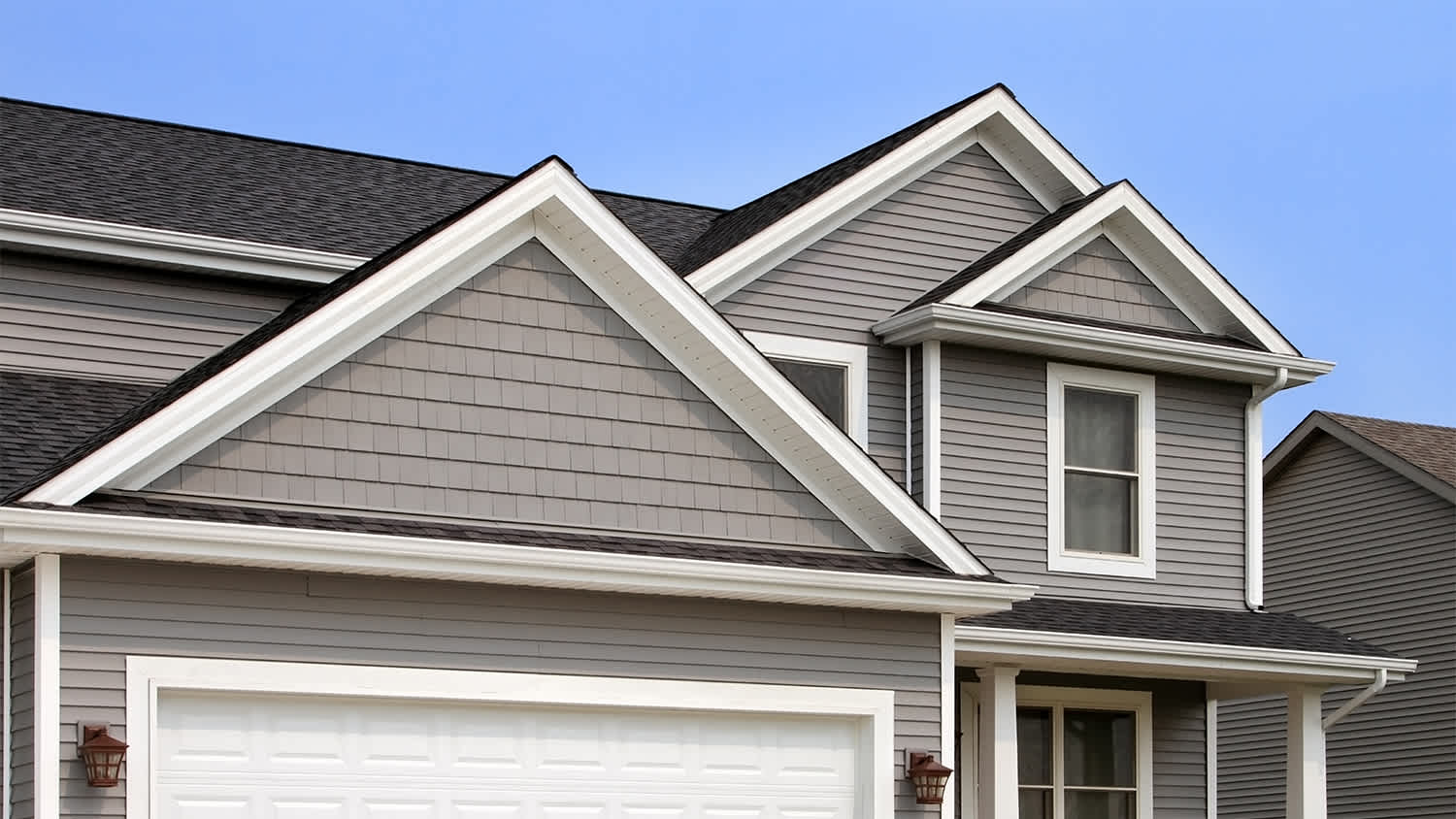
LeafGuard is a market-leading, unique, customized gutter protection system for your home. It carries water away from your property faster, protecting it from water damage associated with clogged, or faulty gutters. The system is 20% thicker than regular gutters and provides added strength against the elements.
\n
\nLeafGuard is the only gutter brand to offer a Lifetime, No-Clog Warranty. What does this mean? Simple--your gutters are guaranteed not to clog for as long as they're installed on your home. If they do, we'll clean them out for free!
Gutter Repair and Replacement questions, answered by experts
When it comes to which gutter material is better, the choice really boils down to what you're looking for in a gutter system. If saving money is the most important factor, then your best option is to go for aluminum gutters. If longevity and durability are more important to you, then copper gutters could be the best fit. If you want to customize the color of your gutters, aluminum takes the cake, but if you're looking for a more natural appearance, copper might be a better choice.
If you don't want to install gutter guards, the most common and inexpensive alternative is regular gutter cleaning, either annually, biannually, or as soon as they start to fill up. Using a leaf blower attachment can make this process easier. Other products designed to reduce cleanings include gutter screens (made of wire mesh, nylon, or foam), which are typically less expensive than a full gutter guard installation. You can also find guards and inserts designed specifically to protect your downspouts or opt for a whole gutter system like LeafGuard, which integrates the gutter and guard into a single product.
If your gutters get overwhelmed every time it rains, adding an extra downspout is a solution. First, you'll need to decide where to add the downspout. If your current setup only has a single downspout, one option is to place a new one at the opposite end of the gutter. If you already have a downspout at each end, adding a third one in the middle can help to lighten the load.
You can hire a professional to add a downspout yourself by cutting into the existing gutter and attaching the necessary parts, such as an outlet and brackets.
Unless you've chosen to install underground downspouts, your gutter downspouts shouldn't touch the ground. If they come into contact with the soil or pavement next to your home, rainwater can back up into them during a storm, preventing them from doing their job effectively. Instead, aim to have your downspouts end about 12 inches from the ground.
The best way to seal gutters is with a combination of waterproof roofing cement and silicone gutter sealant. This powerful duo works to prevent water from escaping through holes and cracks while allowing for breathability. While you can use polyurethane sealants, silicone sealants tend to be more flexible when it comes to climate. Silicone is UV-resistant and bonds well to many surfaces. However, polyurethane sealant bonds better with wood.
The Greenbush, MN homeowners’ guide to gutter repairs and replacements
From average costs to expert advice, get all the answers you need to get your job done.
Gutter repair costs may not be as high as you think—but it depends on the type of damage you're addressing. Learn why you need to hire a gutter pro for this work.
Are gutter guards worth it? The average gutter guard installation cost is $650 to $2,000 but varies depending on types, materials, home height, and other factors.
Gutters have a huge responsibility to protect your home from water damage. These simple DIY gutter repair tips will keep rainwater flowing and your home happy.
Are your gutters sagging or leaking? Learn about gutter repair costs, warning signs of water damage, and how to hire the right local pro to fix your system.