"Hal is a bit of a character and drives an old truck, but he is very pleasant and takes great pride in his workmanship. One of the few times in our history of several home projects where a project has exceeded our expectations."
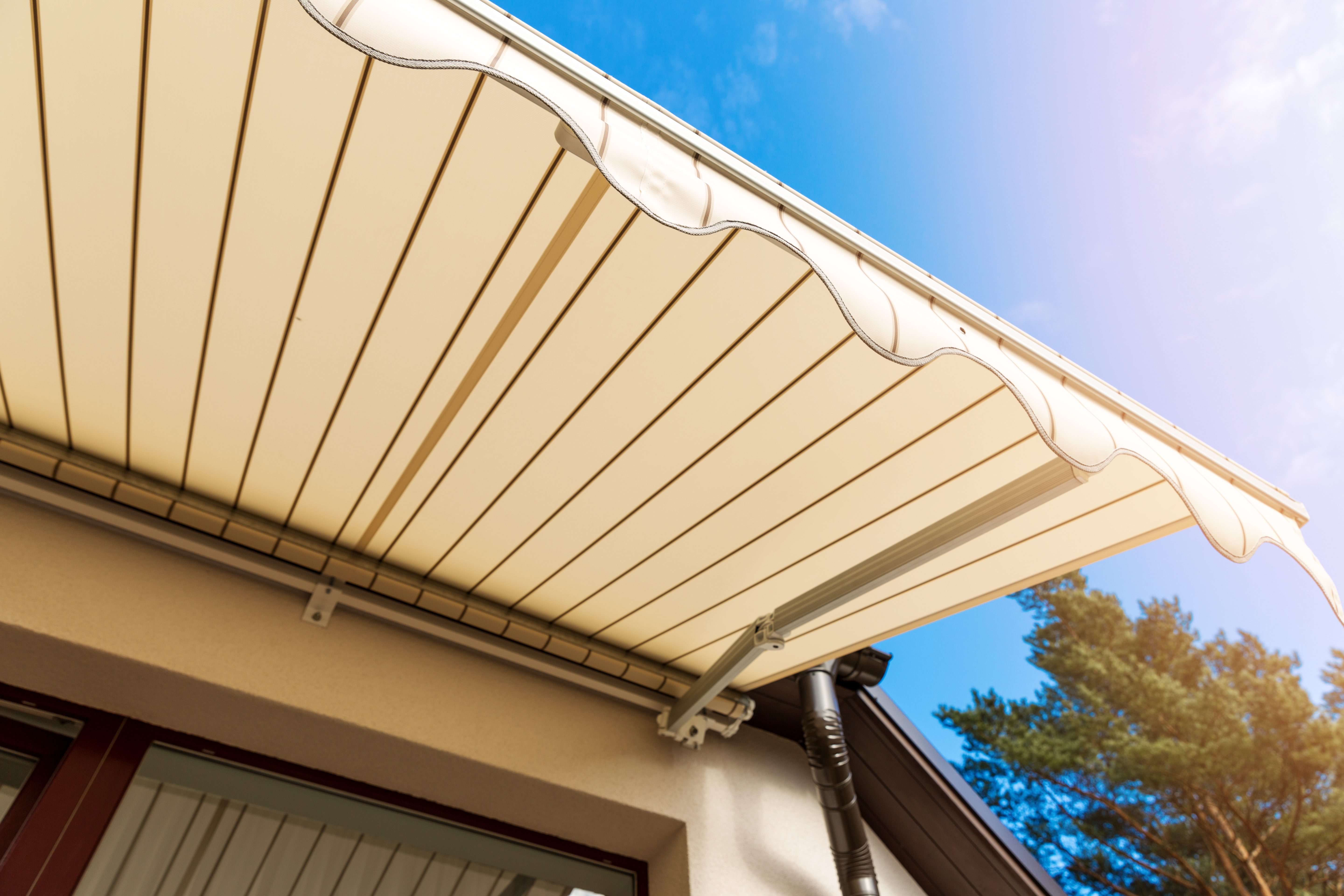
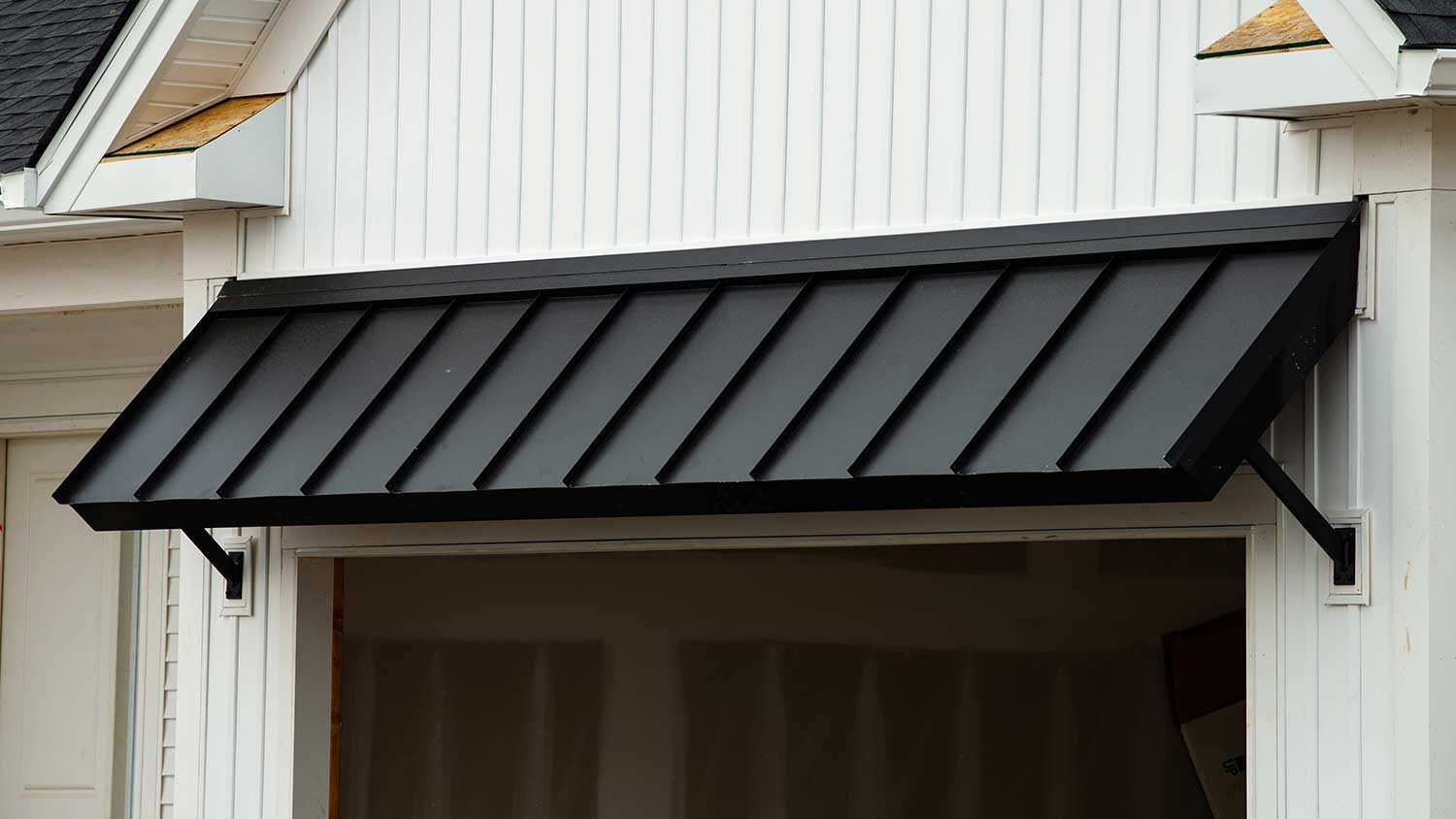
Awnings offer a variety of materials to choose from, each of which has its own benefits. Cotton is a lower-cost option that’s also more eco-friendly because it’s made from natural materials, while acrylic-coated polyester and vinyl offer better durability against harsh weather. Fiberglass and metal are also resilient to weather, although metal can be vulnerable to corrosion without protective sealant. Ultimately, you’ll need to consider your climate and your budget in deciding the best material for your awning.
It’s best to keep your awning retracted if winds are 25 miles per hour or more to make sure your awning doesn’t sustain irreparable damage due to wind. Some awnings can take winds up to 30 miles per hour without any damage, but it’s best to consult the manufacturer’s guidance. A good rule of thumb is if it’s too windy for you to comfortably stand outside, it’s time to bring the awning in.
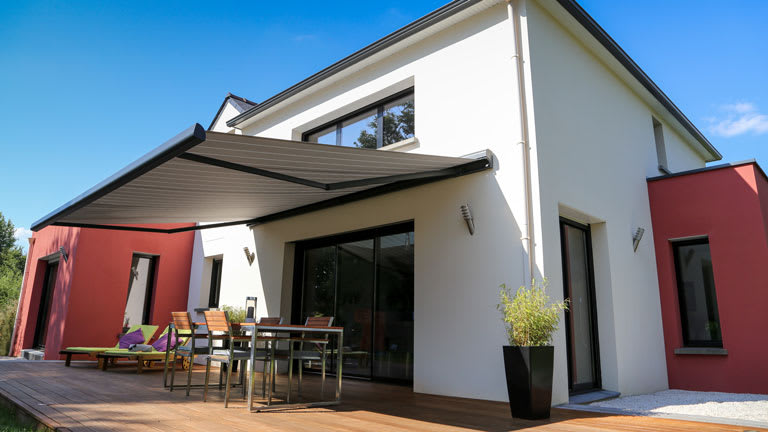
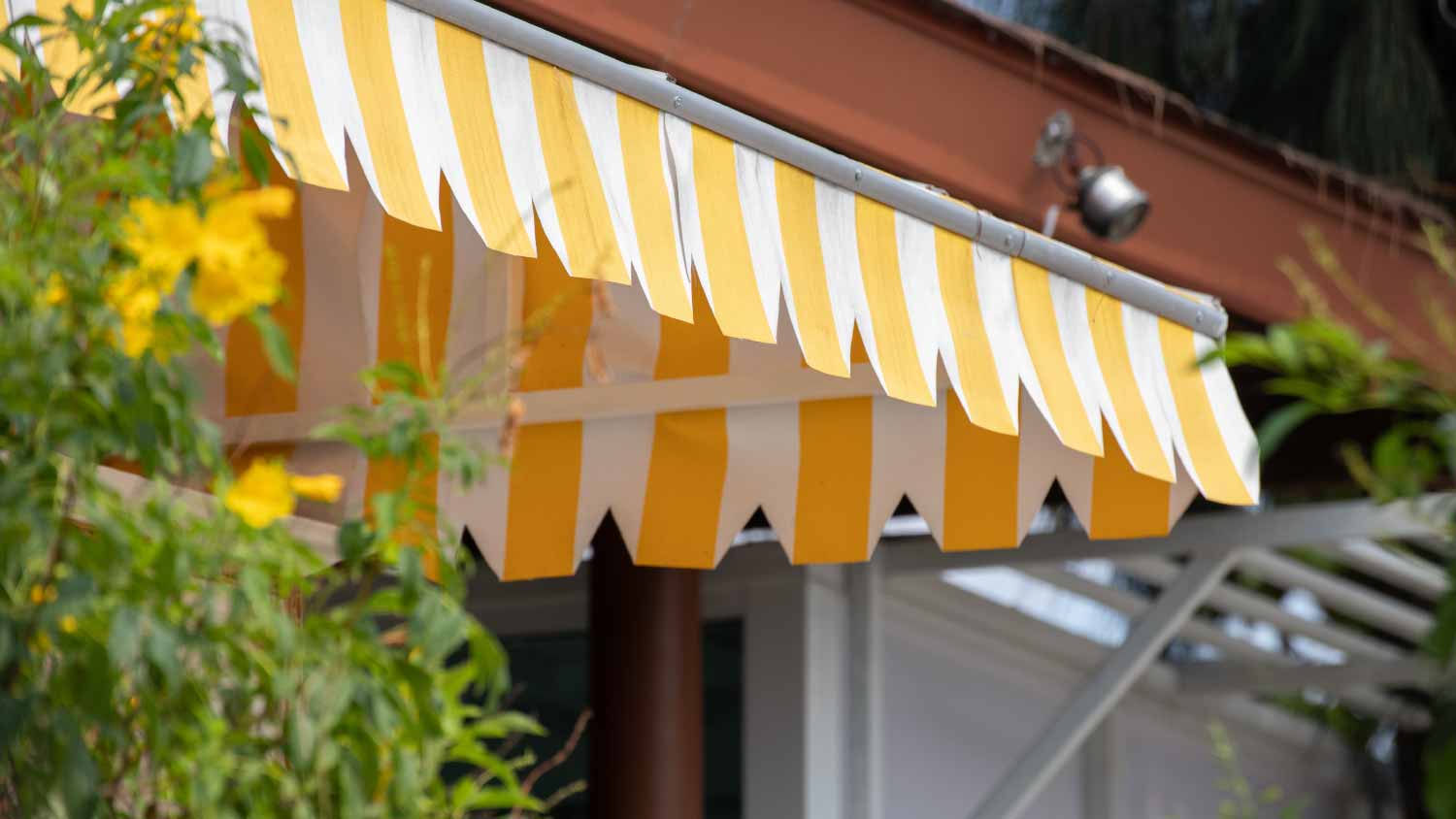
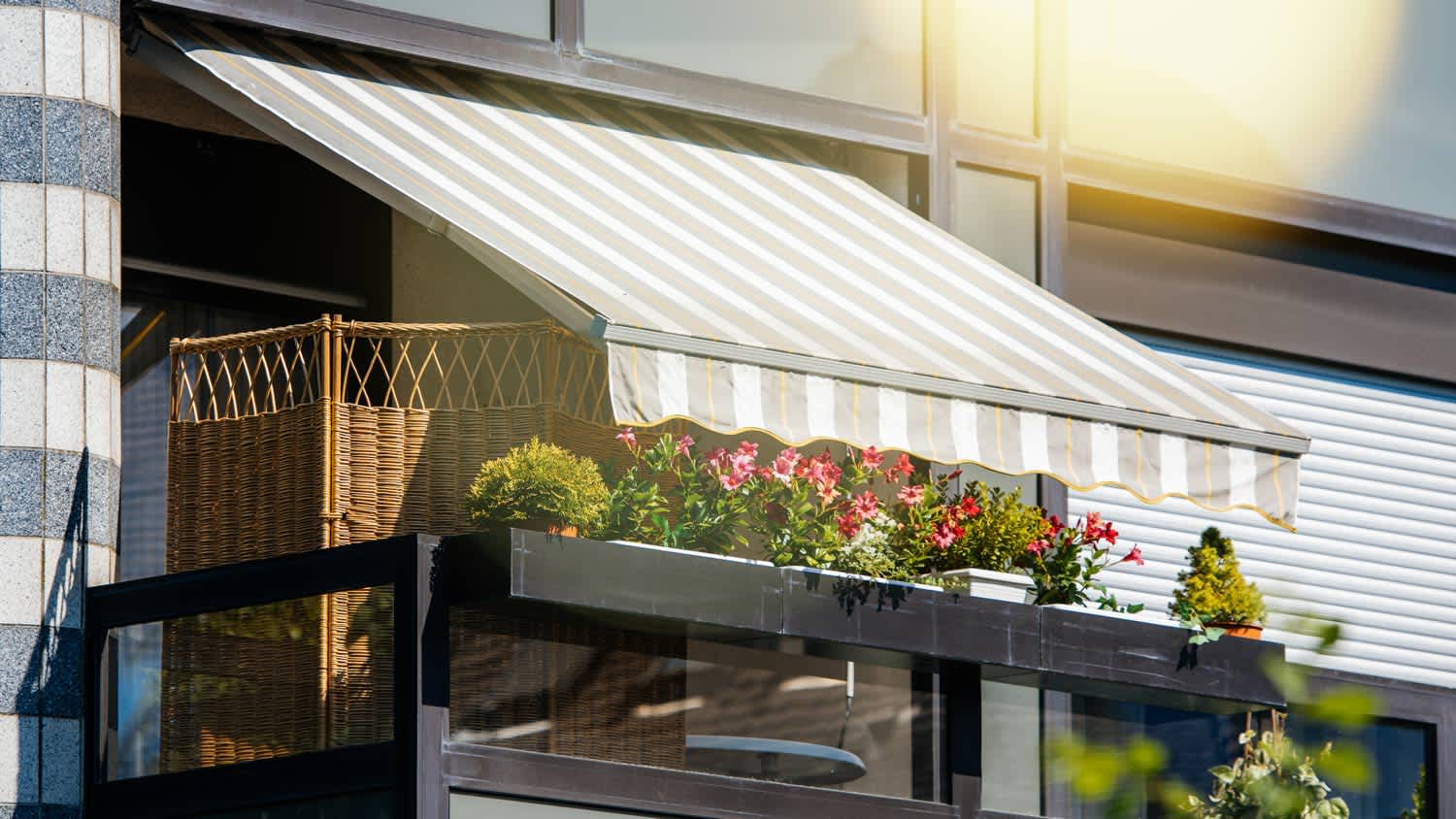
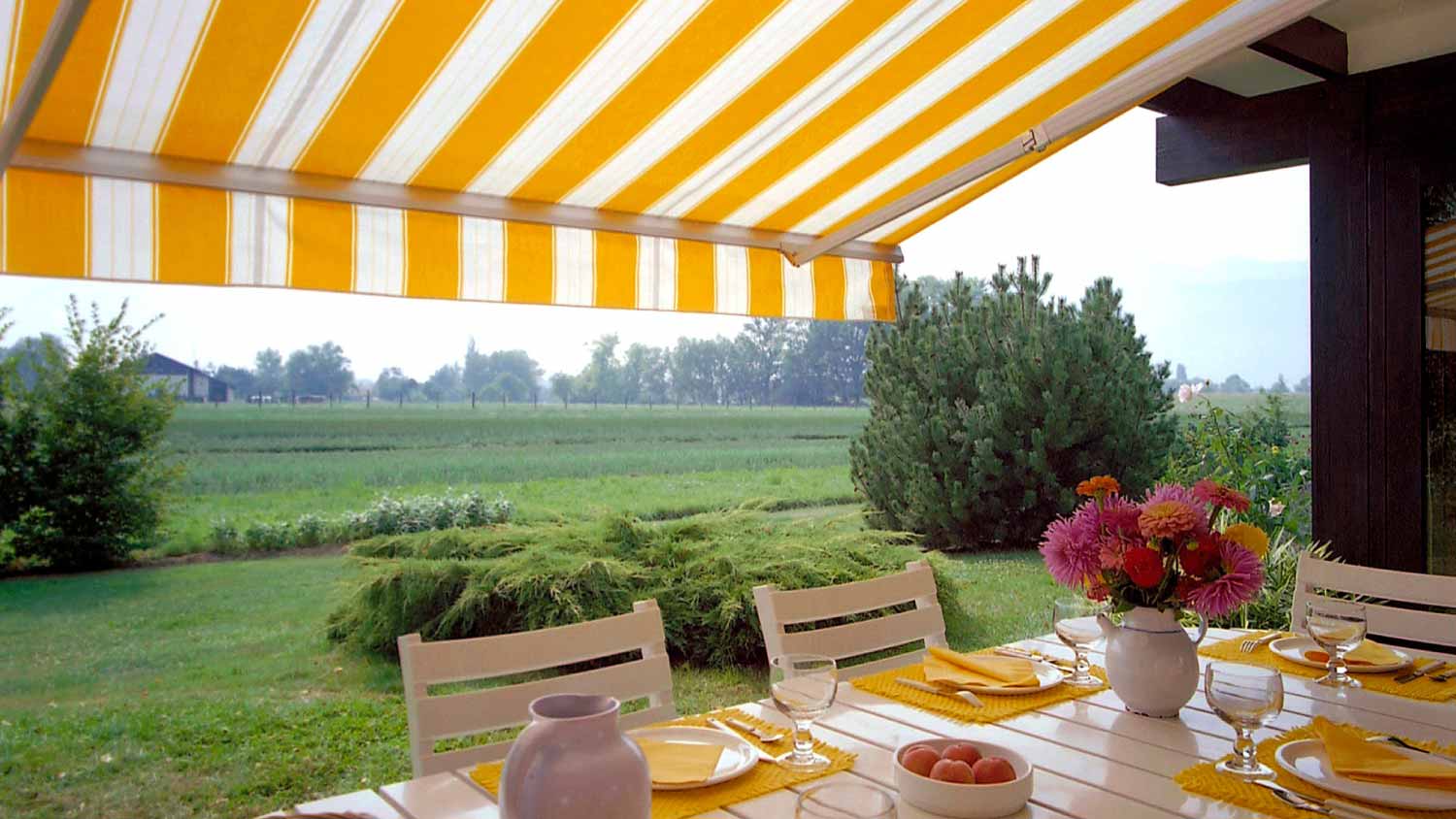
Fabric awnings provide shade, reduce energy costs, and enhance outdoor aesthetics.
Awnings can be a serious investment for homeowners, particularly if it features a motorized and retractable design. Protect the exterior of your home by choosing a reliable and reputable contractor. Do some research ahead of time to get an idea of the potential contractor’s strengths and weaknesses. Don’t hesitate to give them a call to discuss specifics.
Regularly clean with mild detergent and water, and inspect for rust or damage.
The Greenbush, MN homeowners’ guide to awning services
From average costs to expert advice, get all the answers you need to get your job done.
Need an awning that provides shade, comfort, and maybe some privacy from nosy neighbors? Use this guide to find the best awning for your home and lifestyle.